



Table of Contents
Category: Experience | Reading time: ~14 minutes
If you have a heavy flow and you're skeptical about period underwear — good. Skepticism is healthy. The honest answer to "does period underwear work for heavy flow?" is: yes, but only if you choose the right design engineered for the job. Grabbing a thong-cut pair rated for spotting and expecting it to handle your heaviest day is like wearing a bicycle helmet on a construction site. The category is right; the specification is wrong.
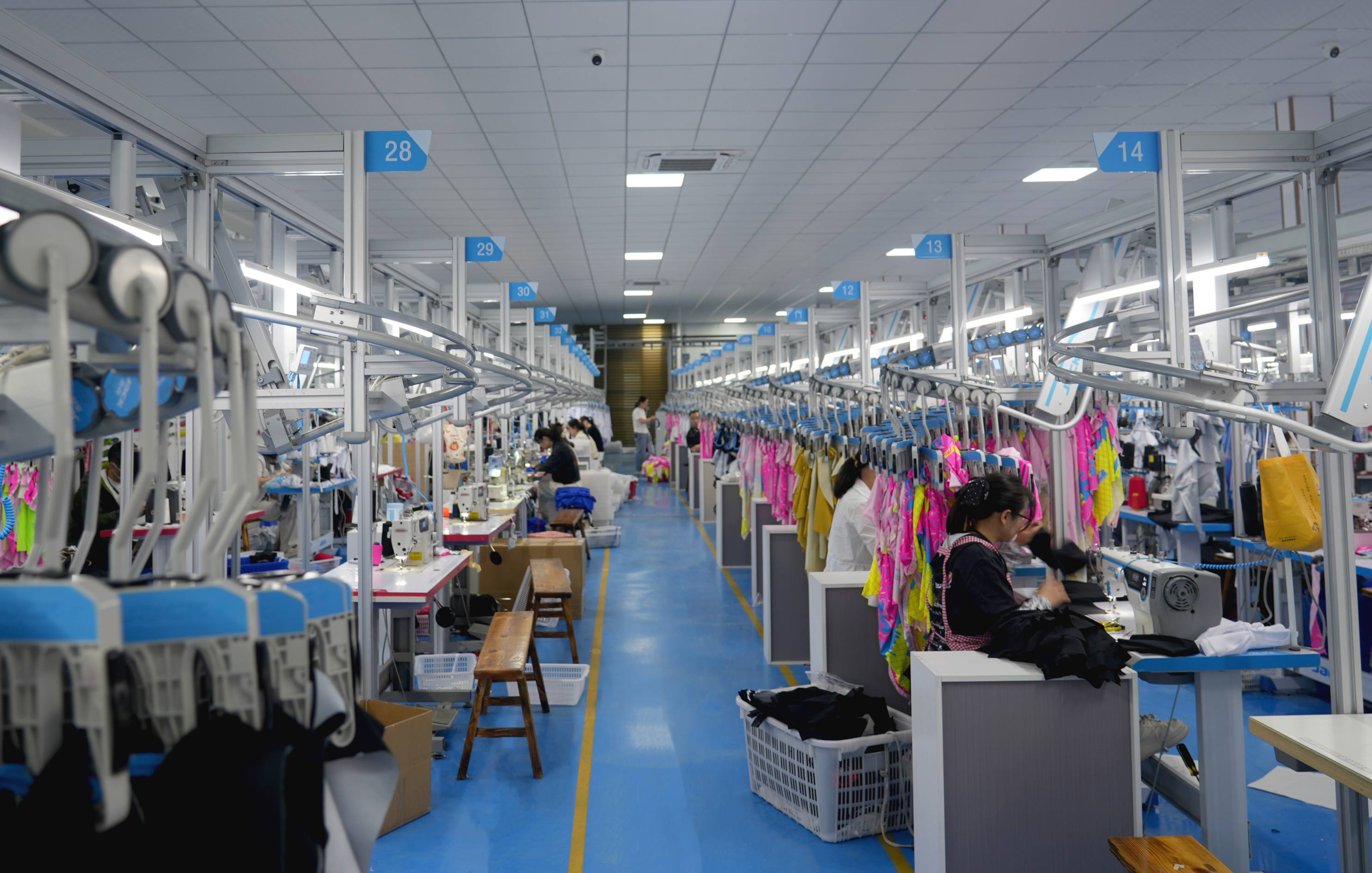
At LJVOGUES, we manufacture period underwear for over 500 global brands. We run absorbency tests in our lab, test every production batch to AQL 2.5 standards, and our engineering team has spent two decades solving exactly the problems that make heavy bleeders distrust period underwear. This article gives you a straightforward, manufacturer-level breakdown of what works, what doesn't, and when a combination approach is genuinely the smartest option.
Table of Contents
How Much Can Period Underwear Hold? Absorption Explained in Real Terms
What Makes Heavy-Flow Period Underwear Different — Engineering Perspective
What Does "Heavy Flow" Actually Mean?
Before we discuss solutions, the baseline matters. Clinically, a heavy menstrual flow — known as menorrhagia — is defined as losing more than 80ml of blood per cycle, or soaking through a pad or tampon every one to two hours on your heaviest days. For practical product selection, it means you need protection that can absorb quickly, hold volume without leaking, and stay put through movement.
A typical menstrual cycle produces 30–80ml of blood total over 3–7 days. On peak days (usually days 1–2), a heavy bleeder may lose 10–20ml in a single few-hour window. That context is critical when choosing period underwear — a pair rated for 15ml won't cut it.

How Much Can Period Underwear Hold? Absorption Explained in Real Terms
One of the most confusing aspects of shopping for period underwear is decoding absorbency claims. Brands use different units — milliliters, tampons, teaspoons — and they're rarely consistent with one another.
Here's a universal conversion key our engineering team uses:
Unit | Equivalent |
1 regular tampon | ~5ml |
1 super tampon | ~8–10ml |
1 teaspoon | ~5ml |
1 regular pad (soaked) | ~5–10ml |
Using this key, you can decode any absorbency claim:
15–20ml = 3–4 regular tampons → light/moderate flow coverage
25–35ml = 5–7 regular tampons → moderate/medium flow
40–45ml = 8–9 regular tampons → heavy flow
45–50ml = up to 10 regular tampons → super heavy / overnight / postpartum
The range across the period underwear market is wide. A thong designed for spotting may hold just 5–10ml. A full-coverage high-waist style engineered for heavy flow can hold 40–50ml. Those are not the same product — they simply share a category name.
Good Housekeeping's Textiles Lab has tested period underwear since 2018, measuring absorbency speed, surface wetness, and runoff across more than 25 pairs. Their testing confirms that absorbency performance varies dramatically by style and construction — not just by brand. Lab-tested products for heavy coverage ranged from 5 tampons' fluid up to 8+ tampons' worth depending on style design and the presence of removable inserts.
What Makes Heavy-Flow Period Underwear Different — Engineering Perspective
Not all period underwear is created equal, and the differences between a light-day thong and a heavy-flow high-waist pair are structural, not cosmetic. Here is what our engineering team actually builds differently:
1. Larger, Wider Absorbent Core with Front-to-Back Coverage
On a light-day thong, the absorbent gusset covers approximately 6–8 inches. On a heavy-flow high-waist design, that coverage extends front-to-back — often 10–12 inches — to account for both forward and backward flow patterns during movement, sitting, and overnight position changes. If the absorbent zone doesn't extend far enough, fluid bypasses it entirely.
2. Thicker Absorption Layer with Higher Microfiber Density
The absorbent core in heavy-flow styles uses a thicker stack of microfiber or bamboo fiber. Higher fiber density means faster wicking and greater total fluid capacity. Thinner cores absorb more slowly and reach saturation faster, which is the most common cause of leaks on heavy days.
3. Extended and Wider Gusset Design
The gusset (the crotch panel) in heavy-flow underwear is wider — typically 3.5–4.5 inches — compared to 2–3 inches in standard styles. Width matters because lateral containment prevents side-channel leaks that occur when fluid volume exceeds the capacity of a narrow channel.
4. Higher-Capacity Leak-Proof Barrier
Our 4-layer system in heavy-flow styles incorporates a more robust leak-proof membrane — a thin but highly effective PU or TPU film layer that sits beneath the absorbent core and above the outer fabric. In heavy-flow designs, this barrier is rated to handle greater hydrostatic pressure, meaning fluid won't push through even when the absorbent layers are close to capacity.
5. LJVOGUES 4-Layer System for Heavy Flow
Our heavy and super-heavy flow styles use a proven 4-layer architecture:
Layer 1 — Moisture-wicking top layer: Soft against skin, pulls fluid away immediately on contact. Made from OEKO-TEX® STANDARD 100 certified fabrics — no PFAS, no lead, no phthalates.
Layer 2 — Rapid-absorption distribution layer: Spreads fluid laterally across the full absorbent zone to prevent pooling.
Layer 3 — High-density absorbent core: Holds 40–45ml in heavy-flow styles; 45–50ml in our super-heavy and plus-size full coverage designs.
Layer 4 — Leak-proof barrier membrane: Certified leak-proof outer protection. Breathable, but fluid cannot pass through.
Our 20 years of manufacturing experience show that these five structural differences — not fabric marketing claims — are what separate period underwear that actually works on heavy days from styles that belong only in lighter rotation.

LJVOGUES Absorption Comparison by Style
The table below reflects the absorption ratings our engineering team tests and certifies across our product range. Choosing the right style for your flow type is the single most important purchase decision.
Flow Level | Absorption Capacity | Best LJVOGUES Styles | Tampon Equivalent |
Light / Spotting | 15–20ml | Bikini, Thong | 3–4 regular tampons |
Moderate | 25–35ml | Mid-rise, Seamless | 5–7 regular tampons |
Heavy | 40–45ml | High-waist, Full coverage | 8–9 regular tampons |
Super Heavy / Overnight | 45–50ml | Plus size, Tummy control, Postpartum | ~10 regular tampons |
How to choose: Identify your heaviest single-day output, not your average. Your protection should be calibrated for your peak, not your mean.
Period Underwear vs. Pads vs. Tampons: An Honest Comparison
Heavy bleeders have historically relied on pads and tampons because they've been the only options designed specifically for high-volume flow. Period underwear has earned a seat at that table — but it has a different profile of advantages and trade-offs.
Feature | Period Underwear | Pads | Tampons |
Absorption capacity (heavy) | 40–50ml per wear | 10–15ml per pad | 8–10ml per tampon |
Comfort | High — no adhesives, no inserts | Moderate — adhesive, can shift | Low-moderate — internal, may cause dryness |
Breathability | High | Low-moderate | N/A (internal) |
Leak protection | Excellent if right size chosen | Good if changed frequently | Good — but overflow risk if not changed |
Skin irritation risk | Low (PFAS-free, certified fabrics) | Moderate (fragrances, adhesives) | Moderate (dryness, TSS risk) |
Ease of use | High | High | Moderate |
Overnight suitability | Excellent (high-waist/full coverage styles) | Good (overnight pads) | Not recommended by most manufacturers |
Cost per use | Decreases over time (reusable, 50+ washes) | ~$0.25–$0.50 per pad | ~$0.25–$0.45 per tampon |
Environmental impact | Low (reusable) | High (disposable) | High (disposable + applicator) |
Suitable for heavy flow alone | Yes (40–50ml styles) | Yes (multiple pads) | Yes (but frequent changes needed) |
Bottom line: Period underwear wins on comfort, cost over time, and environmental impact. On the heaviest days, it can match or exceed pad and tampon absorbency when the correct style is selected. Where tampons maintain an edge is discreet internal protection for active use — which is why a combination approach (detailed below) is the most rational choice for many heavy bleeders.
Can You Wear a Pad WITH Period Underwear?
Yes — and more people do this than you might expect.
The keyword "pad with period underwear" sees approximately 1,000 searches per month. This isn't confusion; it's smart layered protection for people managing heavy flow.
There are three practical layering strategies worth knowing:

Option 1: Period Underwear Alone (Moderate to Heavy Days)
On days 3–5 of your cycle when flow moderates, a heavy-flow LJVOGUES style with 40–45ml capacity handles the day independently. No pad, no tampon needed.
Option 2: Pad Inside Period Underwear (Peak Heavy Days)
On days 1–2, if your flow is extremely heavy, you can lay a pad — disposable or reusable — inside your period underwear. The pad handles the immediate high-volume absorption; the period underwear catches any overflow that bypasses the pad. A reusable cloth pad is preferred here, because disposable pad adhesive can leave residue on the period underwear's inner layer.
As Rael notes: "On days where your flow feels more like a waterfall, you might feel more comfortable adding a disposable pad, reusable pad, or even a menstrual cup alongside your period underwear. That extra layer of protection can help ease any anxiety about leaks."
Option 3: Menstrual Cup or Tampon + Period Underwear (Maximum Protection)
For the heaviest day of your cycle — or for high-stakes situations (travel, presentations, weddings) — pairing a menstrual cup or tampon with period underwear provides belt-and-suspenders reliability. The internal product handles the majority of flow; the period underwear is purely a backup. Per GoodRx: "If you have a heavy menstrual flow, you can use pads, tampons, or menstrual cups along with your period underwear."
This combination approach is not a sign that period underwear is failing — it's simply using the right tools together for exceptional circumstances.
How Often to Change on Heavy Days
General guidance: every 4–6 hours on your heaviest flow days.
GoodRx recommends changing period underwear "after 8 to 12 hours," noting that bacteria can build up in menstrual products with prolonged wear. That guideline is appropriate for average or moderate flow. For heavy bleeders, our manufacturing data and standard industry practice suggest a more proactive schedule:
Flow Level | Recommended Change Interval |
Light flow | Every 10–12 hours |
Moderate flow | Every 8–10 hours |
Heavy flow (days 1–2) | Every 4–6 hours |
Super heavy / combination use | Every 3–4 hours (or when the internal product is changed) |
Aisle echoes this, recommending changes every 6–8 hours on heavier days. The guideline is simple: if you feel damp, your period underwear is approaching capacity. Don't push it.
Practical tip: If you're heading into a full workday on your heaviest day, pack a spare pair in a wet bag. A quality wet bag seals odors completely and is discreet enough to carry in any tote or backpack.
Tips for Managing Heavy Flow Days
After manufacturing for 500+ global brands, our team has seen every approach to heavy-flow period management. These are the strategies that consistently work:
1. Pair with a Menstrual Cup or Tampon on Days 1–2
The heaviest days of your cycle are not the days to go it alone with period underwear — unless your pair is rated 45–50ml and you can change every 4–5 hours. Otherwise, add an internal product. The combination approach gives you confidence without the bulk of doubled-up pads.
2. Use High-Waist Full-Coverage Style for Overnight
Overnight protection is a special case: you can't change for 7–8 hours, your body position changes constantly (back to stomach to side), and flow doesn't stop. Our high-waist and full-coverage styles with 40–50ml absorbency and extended front-to-back gusset coverage are specifically engineered for this scenario. Standard bikini-cut period underwear is not.
3. Keep a Spare Pair in a Wet Bag
This is the most underrated piece of advice for people new to period underwear. A spare pair and a sealed wet bag in your work bag or gym bag eliminates the main anxiety about switching from disposables — what happens if I run out mid-day?
4. Choose Dark Colors for Your Heaviest-Day Pairs
Dark colors (black, deep navy, burgundy) hide staining from any minor leaks and look identical to regular underwear. Our manufacturing team recommends designating your darkest pairs as your heavy-day rotation and lighter styles for moderate and light days.
5. Match the Absorbency to Your Specific Day
Not every day of your period requires the same protection. Using a 40ml heavy-flow pair on day 5 (when flow is tapering) is fine but unnecessary. Reserve your heavy-flow styles for days 1–3 and use lighter styles as flow decreases. This also extends the lifespan of your heavy-flow pairs.
6. Rinse Before You Wash
Always rinse period underwear with cold water immediately after removal, before throwing them in the wash. Cold water prevents blood from setting into the absorbent fibers. Hot water will set the stain and degrade the leak-proof membrane faster over time.

Is Period Underwear Worth It? Cost Analysis
For heavy bleeders, the cost question carries extra weight because disposable product consumption is higher. Let's run the honest numbers.
Disposable Product Costs (Heavy Flow)
A heavy bleeder typically uses 5–8 pads or tampons per day on peak days, and 3–4 on lighter days. For a 5-day cycle:
Average usage: ~25–30 pads or tampons per cycle
Cost per cycle: $8–$15 (depending on brand and flow)
Annual cost: $96–$180 per year
10-year cost: $960–$1,800
Period Underwear Investment
A functional rotation for a heavy bleeder — covering a full cycle without daily laundry — requires roughly 5–7 pairs:
2–3 heavy-flow high-waist pairs (days 1–3)
2 moderate-flow pairs (days 3–5)
1–2 light/thong styles (spotting, backup)
Initial investment: Approximately $150–$250 for a full rotation.
Lifespan: With proper care (cold wash, air dry), period underwear lasts 2–3 years, or approximately 50–75 washes per pair. That means:
Annual cost of period underwear rotation: ~$50–$85 per year amortized over 3 years
Versus disposables: $96–$180 per year
Break-even point: Most heavy bleeders break even within 12–18 months and save meaningfully in years 2 and 3.
The environmental math is equally compelling: a heavy bleeder who menstruates for 38 years will use approximately 11,000–14,000 disposable pads or tampons. Period underwear, rotated and replaced every 2–3 years, represents a fraction of that waste.
Our honest assessment: Period underwear is worth it for heavy bleeders — especially if you treat the initial purchase as building a rotation (not just buying one pair) and combine high-capacity styles with internal products on your heaviest days.

FAQ
Q: Does period underwear actually work for heavy flow, or is it just for light days?
A: Period underwear works for heavy flow — but only if you choose a style engineered for it. Heavy-flow period underwear with 40–50ml absorbency can replace multiple pads or tampons on all but the most extreme flow days. Light-day styles (15–20ml) are not suitable for heavy flow. The key is matching the product specification to your actual flow volume.
Q: Which period underwear is best for heavy flow?
A: High-waist and full-coverage styles with extended front-to-back gusset coverage and 40–50ml rated absorption are best for heavy flow. LJVOGUES's high-waist and plus-size full-coverage styles are specifically engineered with a 4-layer system and 40–45ml+ capacity for heavy bleeders. Look for wider gusset width (3.5 inches+), extended coverage length, and a certified leak-proof barrier.
Q: How many ml can period underwear hold?
A: Absorbency varies widely by style. Across the market: light styles hold 15–20ml (3–4 regular tampons), moderate styles hold 25–35ml (5–7 tampons), heavy styles hold 40–45ml (8–9 tampons), and super-heavy styles hold 45–50ml (~10 tampons). LJVOGUES's heavy-flow styles are rated at 40–45ml and super-heavy at 45–50ml, independently tested and verified.
Q: Can you wear a pad with period underwear?
A: Yes, and many people with heavy flow do exactly this. You can place a reusable cloth pad (preferred) or disposable pad inside your period underwear on your heaviest days for layered protection. The pad absorbs the primary flow; the period underwear catches any overflow. A menstrual cup or tampon combined with period underwear is another popular high-protection combination.
Q: Are period underwear better than pads for heavy flow?
A: For most people, period underwear is more comfortable than pads — no adhesive, no shifting, no plastic-y feeling. For heavy flow specifically, high-absorbency period underwear (40–50ml) outperforms standard pads in total capacity and overnight protection. However, on the heaviest single days, combining period underwear with an internal product (cup or tampon) may provide more reliable protection than either product alone.
Q: How often should I change period underwear on heavy days?
A: For heavy flow, change every 4–6 hours. General guidance (including from GoodRx) suggests changing period underwear every 8–12 hours to prevent bacterial buildup, but for heavy bleeders, more frequent changes are appropriate and align with the absorbency limits of even high-capacity styles. Listen to your body: if you feel damp or heavy, it's time to change.
Q: Are period underwear worth it financially?
A: Yes, especially for heavy bleeders who spend more on disposables. A full rotation of 5–7 pairs at an average cost of $150–$250 lasts 2–3 years. Amortized, that's $50–$85 per year — compared to $96–$180 per year for disposable pads and tampons at heavy-flow consumption rates. Most heavy bleeders break even within 12–18 months and save significantly over the following years.
Q: Is it safe to wear period underwear for a full work day on a heavy flow?
A: With the right capacity — 40–45ml heavy-flow styles — most people can wear period underwear through a standard 8-hour work day on moderate-to-heavy days with one change. On peak heavy days (days 1–2), adding a menstrual cup or tampon as a primary absorber and using the period underwear as backup gives you full-day confidence. Kelly Johnson-Arbor, a medical toxicologist quoted by GoodRx, confirms that period underwear is "mostly safe because it's worn for a short period of time," and the American College of Obstetricians and Gynecologists has affirmed that period underwear is "OK to use."
LJVOGUES manufactures period underwear, period swimwear, and leakproof intimate apparel for 500+ global brands. All products are OEKO-TEX® STANDARD 100 certified, PFAS-free, lead-free, and phthalate-free, independently tested to AQL 2.5 standards. To learn more about our heavy-flow product range or OEM/ODM manufacturing capabilities, visit www.ljvogues.com.
Sources:
GoodRx — Is Period Underwear Safe and Sanitary? (https://www.goodrx.com/health-topic/gynecology/period-underwear-safe)
Good Housekeeping — 6 Best Period Underwear of 2026, Tested (https://www.goodhousekeeping.com/health-products/g27421796/best-period-panties/)
Rael — Do You Wear a Pad with Period Underwear? (https://www.getrael.com/blogs/r-blog/do-you-wear-a-pad-with-period-underwear)
Aisle — How Often Should You Change Period Underwear? (https://periodaisle.com/blogs/all/how-often-should-you-change-period-underwear-best-practices-for-maximum-comfort)
Saalt — How Long Do Period Panties Last? (https://saalt.com/blogs/news/how-long-do-period-panties-last)
Mahina — How to Choose Period Underwear (https://mahina.co/blogs/life-with-mahina/how-to-choose-the-right-period-underwear-absorbency-fabric-fit)