




-
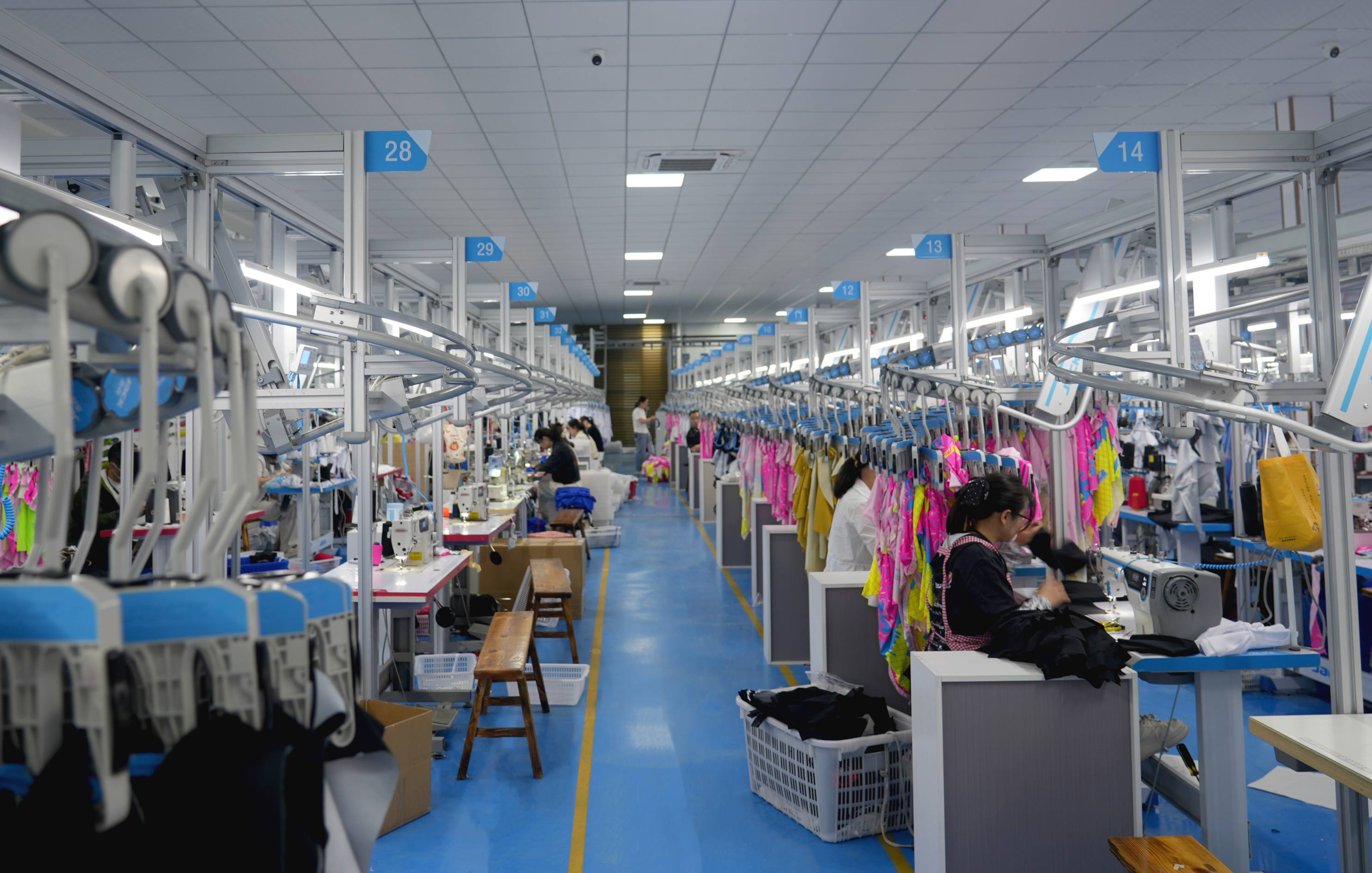
 The fastest way to tell if a manufacturer can actually do what they say is to ask for third-party test reports from comparable past projects, before you place an order, instead of relying on their verbal confirmation that they "can meet the standard."* A factory that says yes to everything gives you
 -
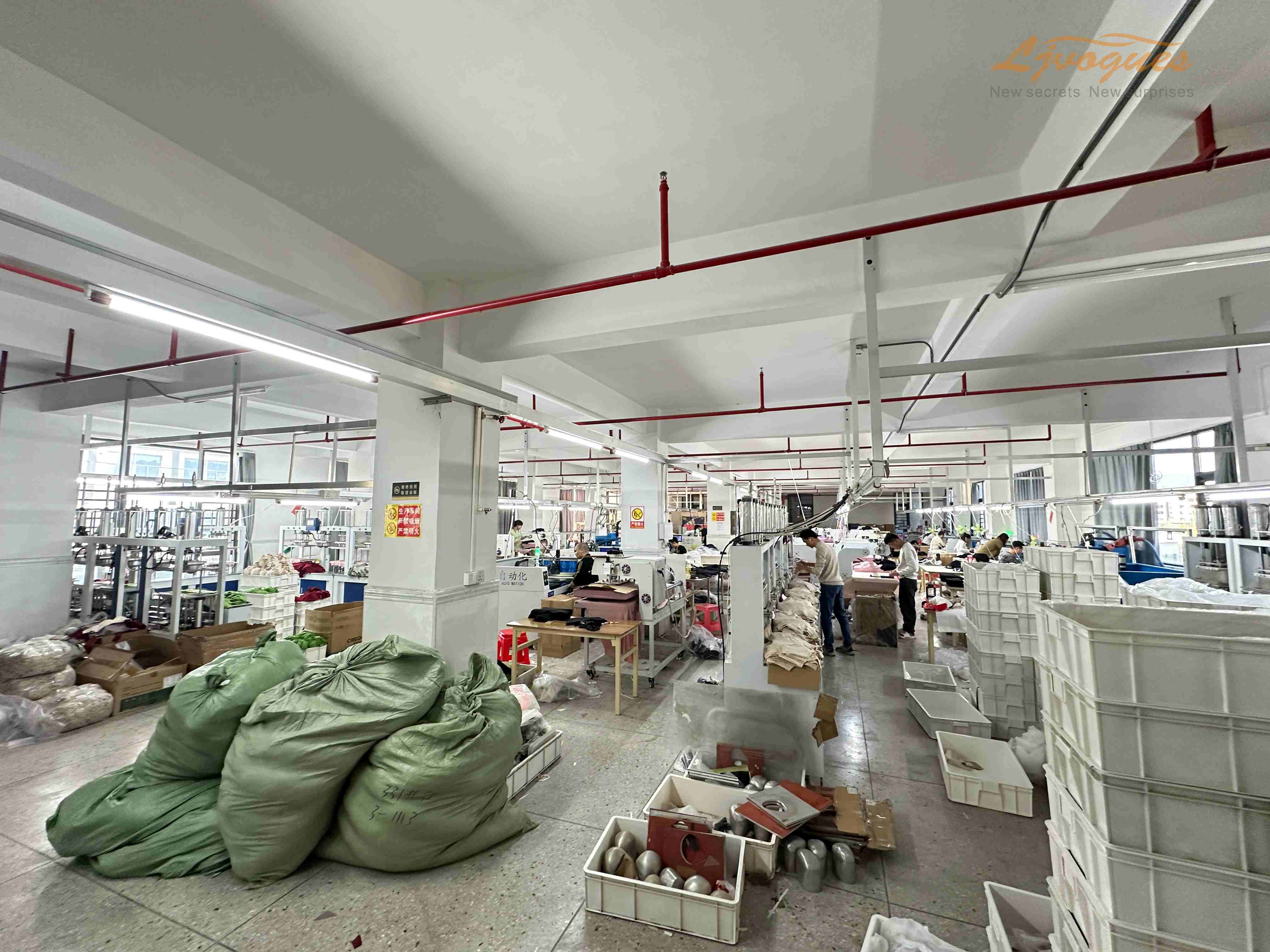
 You identify a quote that is only cheaper on paper by requiring a line-by-line cost breakdown, tracing every price difference to a specific material or process, and verifying those claims against a real trial batch. A total price tells you who quoted lower. It does not tell you what has been changed
 -
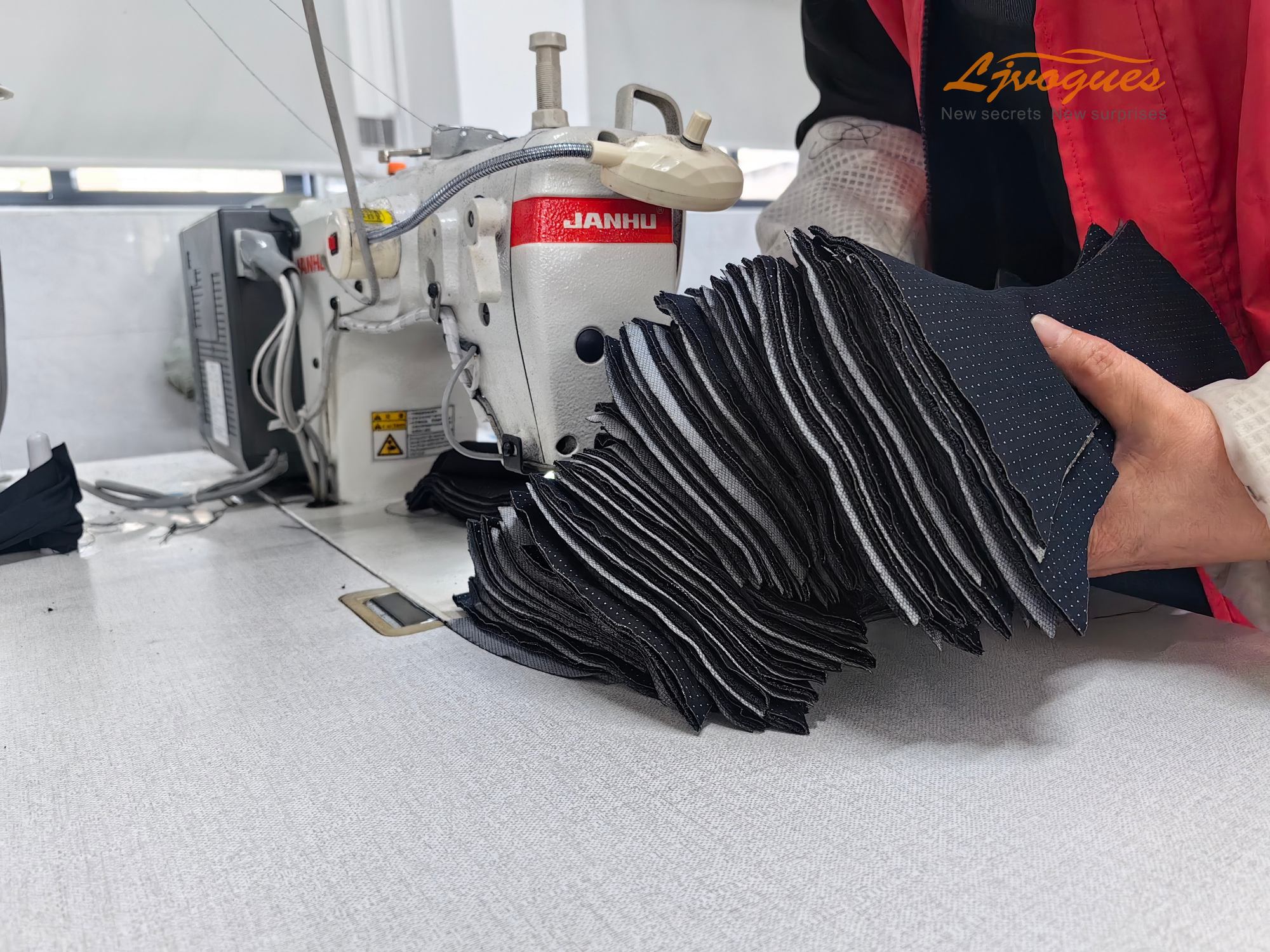
 The safest way to evaluate a new underwear manufacturer is to keep your core production where it is, place a separate low-volume trial order with the new factory, and compare both products in parallel before you move meaningful volume. Do not wait until a full replacement order arrives to learn that
 -
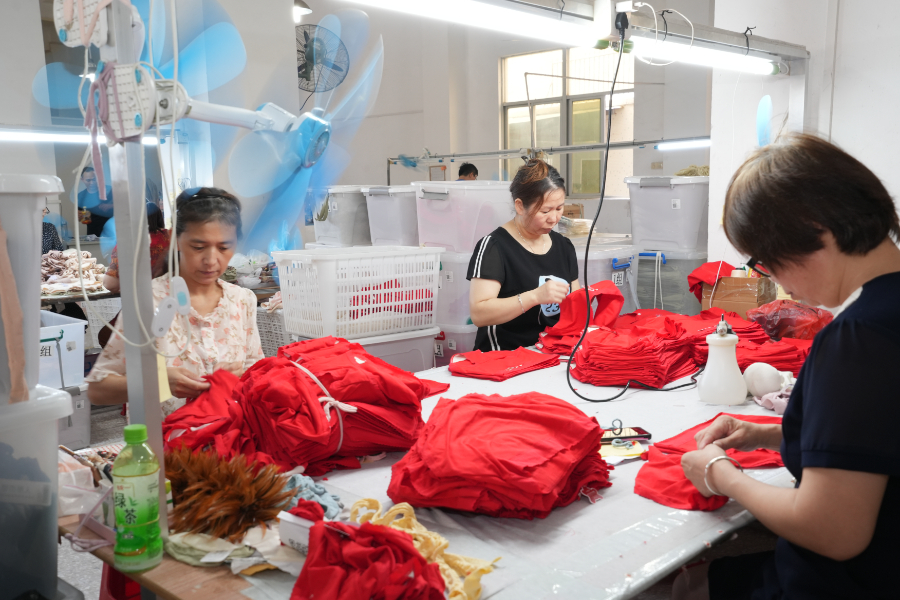
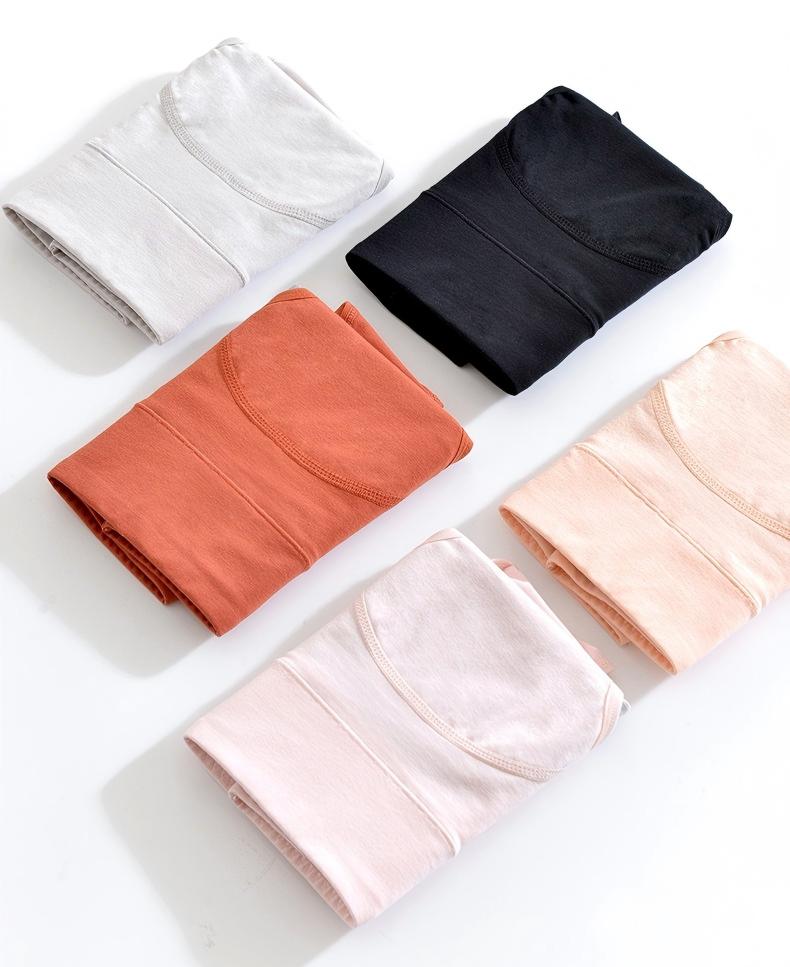 Testing a new period-proof shorts category is mainly an inventory-risk problem: use the least customized version that can prove demand, concentrate the first order in the sizes and colors your customers already buy, then earn the right to expand. The wrong first order is not a bad product. It is a r
 -
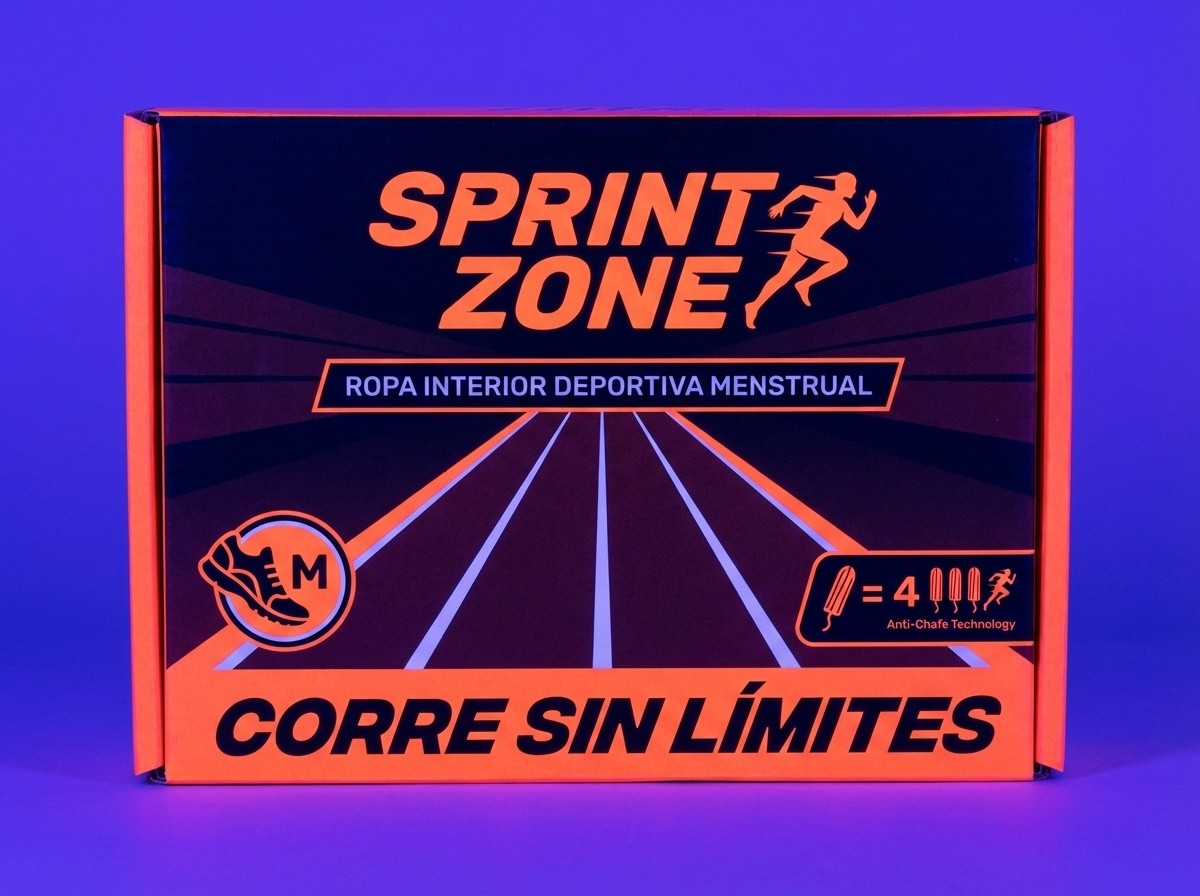 Running, gym, hiking and cycling load period activewear differently. See how movement, sweat, pressure and changing access shape gusset design.
 -
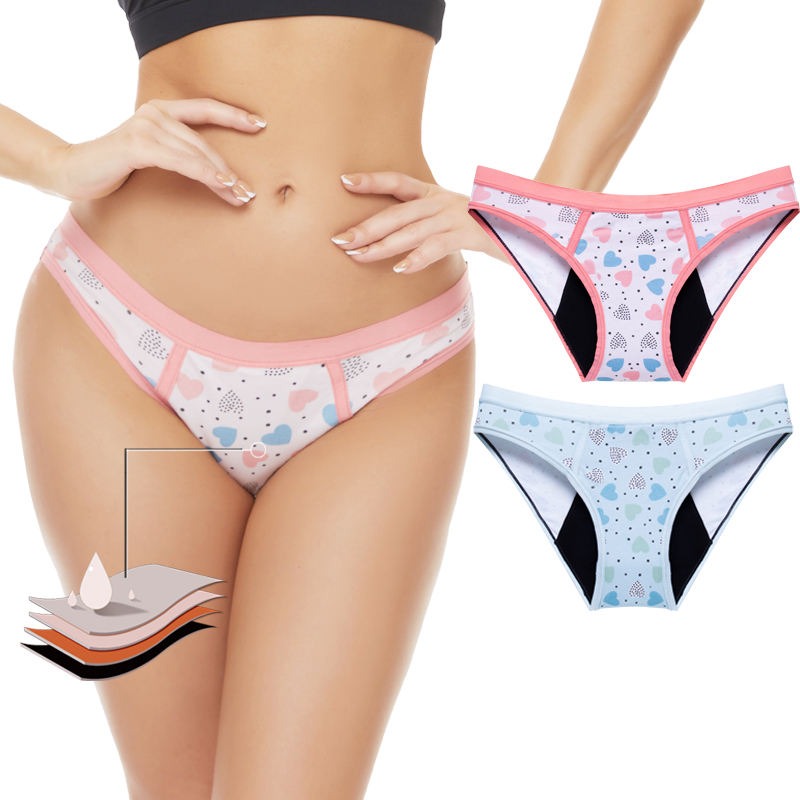 Teen period sports shorts have to solve a narrower, more socially loaded version of the same problem adult sport period underwear solves — and treating a teen size as "the smallest adult size" misses most of what makes this segment different. The core issues aren't absorbency math or fabric technolo
 -
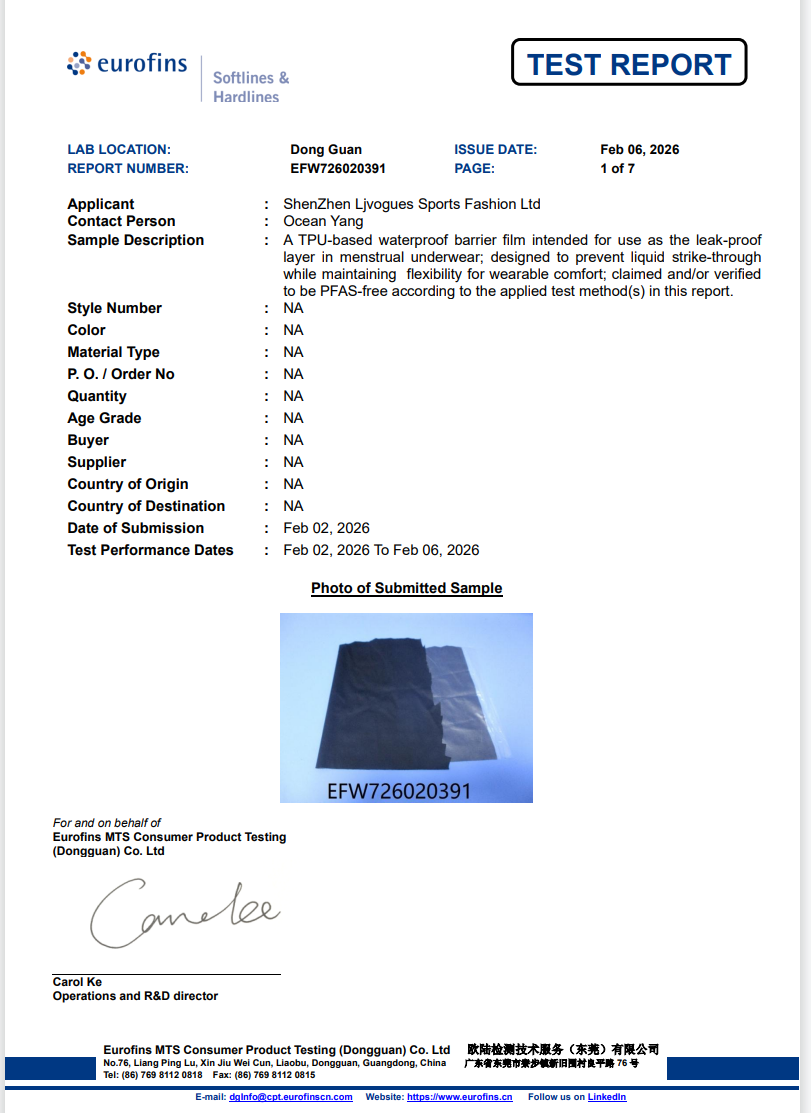 PFAS-free, in the context of period activewear, should mean one specific thing: the finished, sewn garment — not just the raw fabric — has been tested by a named method and found free of intentionally added per- and polyfluoroalkyl substances. Right now, "PFAS-free" gets used to mean at least three
 -
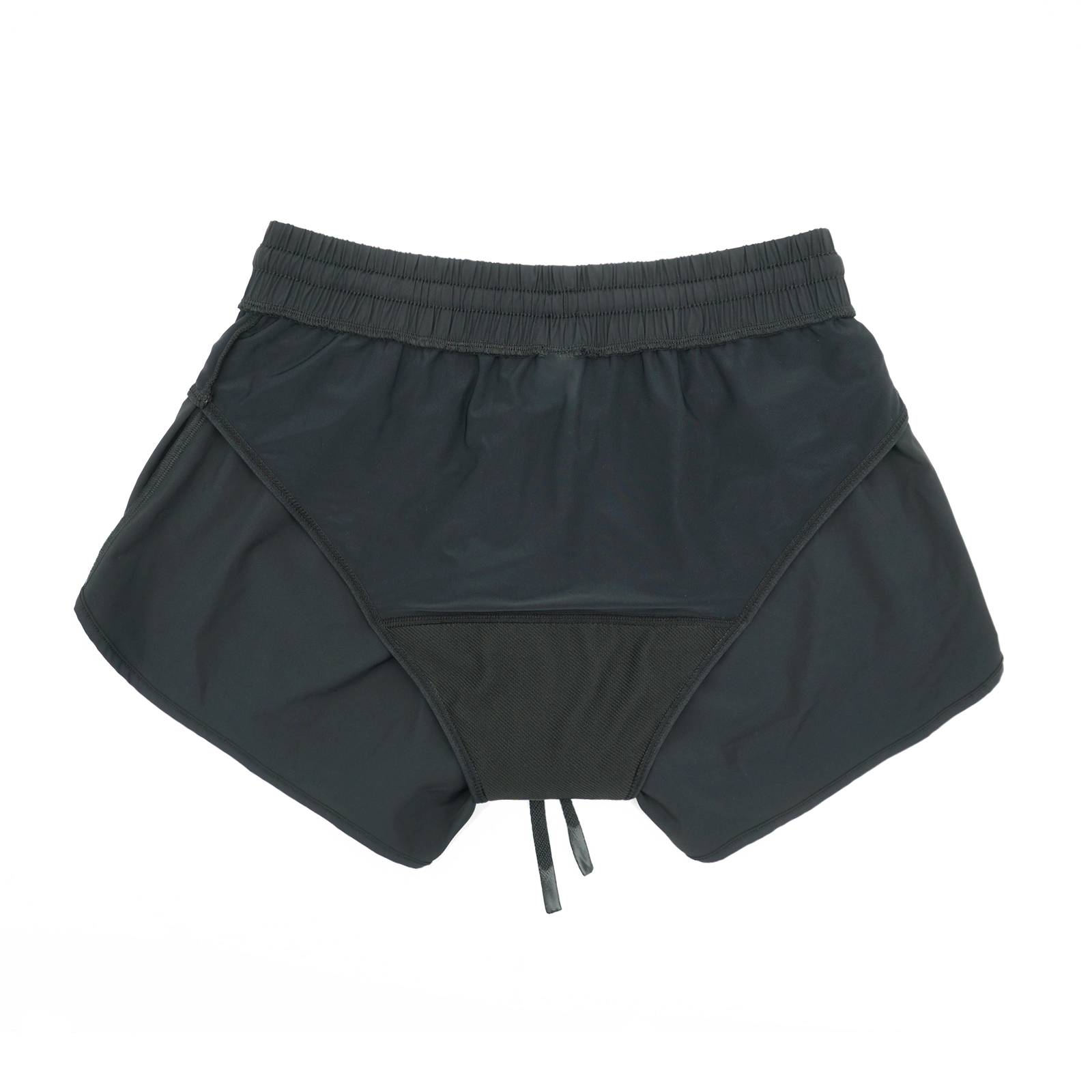 There's no honest fixed-number answer to "how many washes" for period activewear — not from us, not from anyone in this category telling you the truth — so the useful question isn't a number, it's what to look for on the garment itself. Four components degrade in a fairly predictable order: the TPU
 -
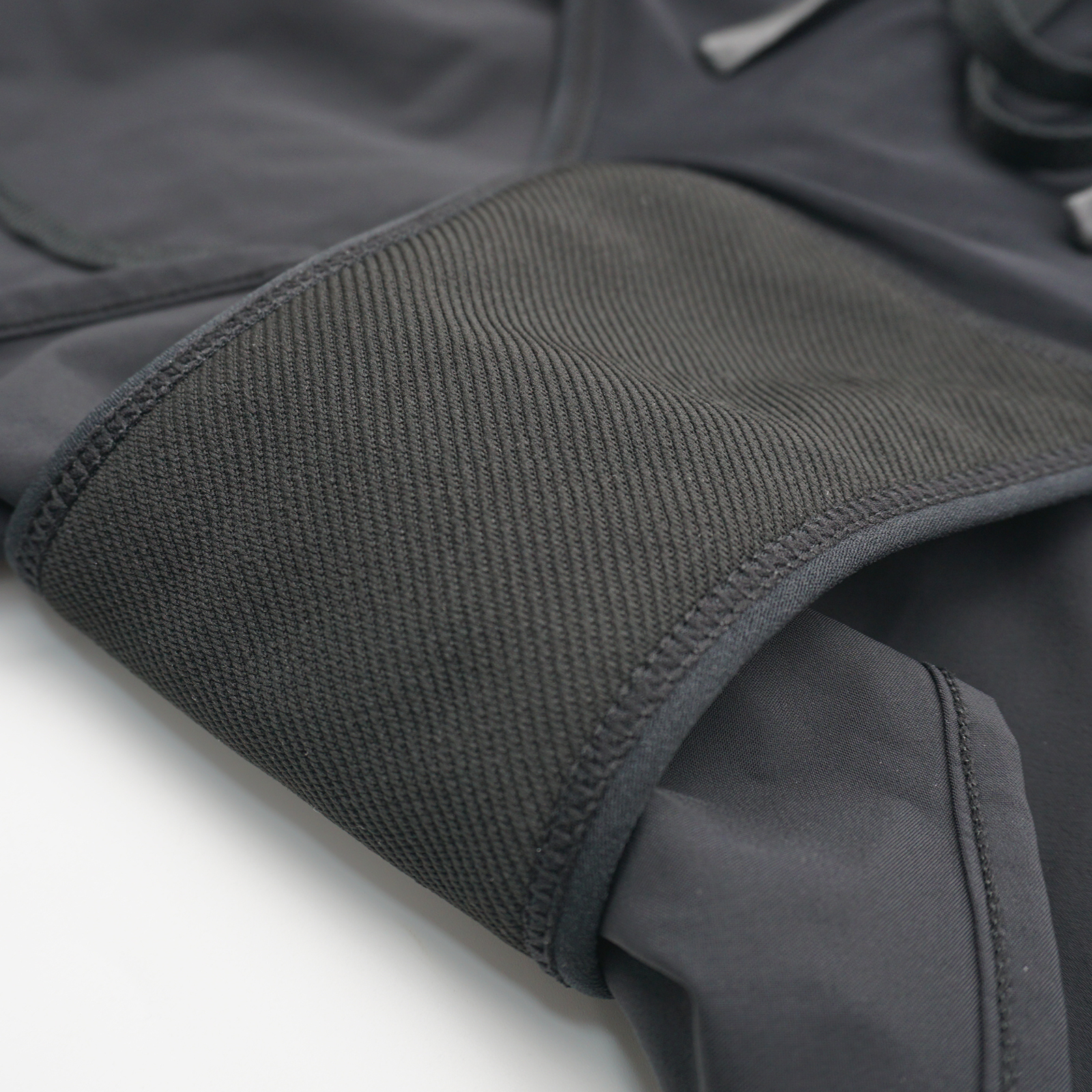 Most sport period underwear returns trace back to two pattern decisions made before a single unit ever ships: gusset coverage that's mismatched to how the body actually moves, and a size grading logic borrowed from regular underwear that doesn't hold up once you're scaling a leakproof panel across X
 -
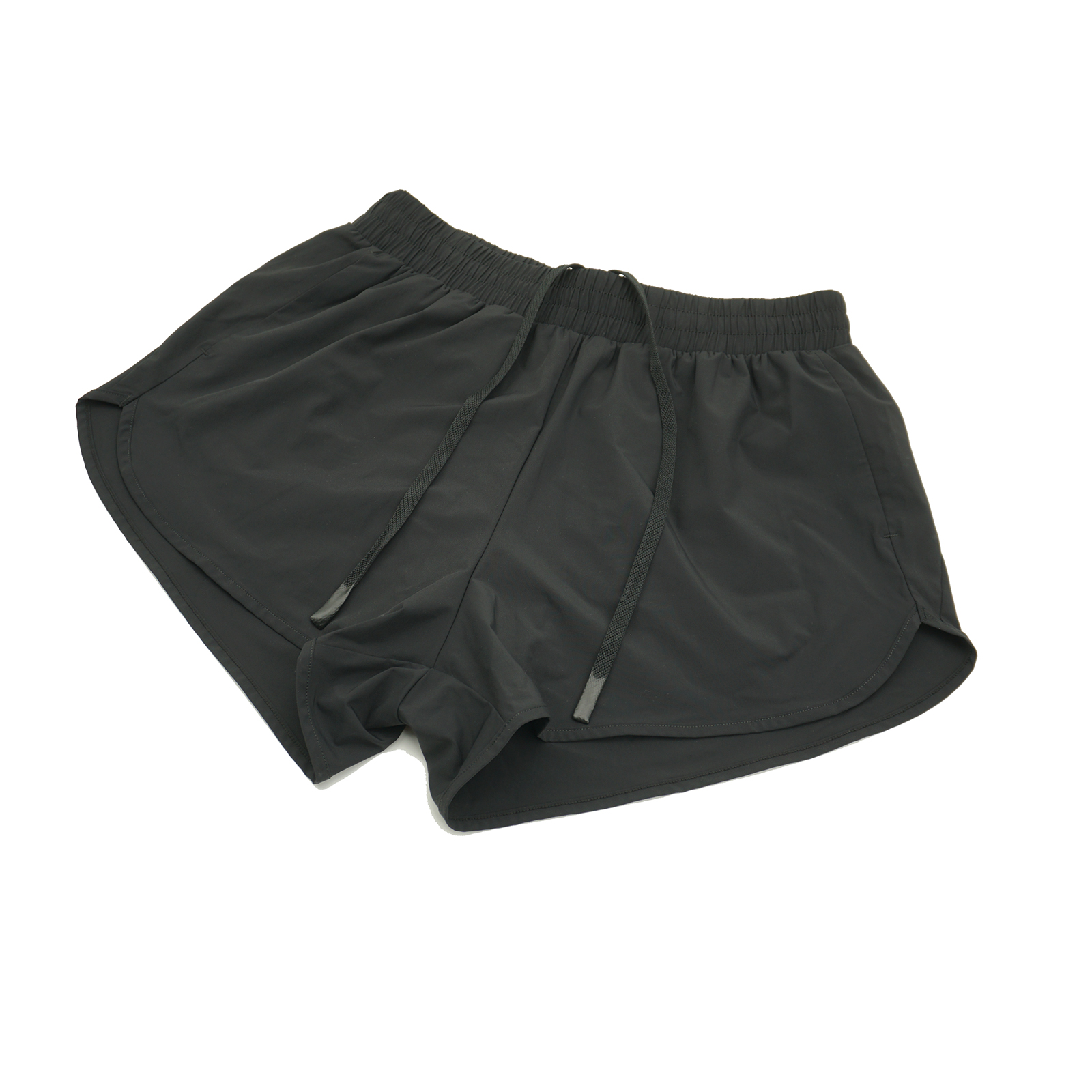 Sweat, odor, and chafing aren't three separate complaints about sport period underwear — they're one problem wearing three different faces. Sweat and menstrual fluid landing on the same layer make that layer feel wetter and take longer to dry; that trapped moisture is exactly what makes odor more no


