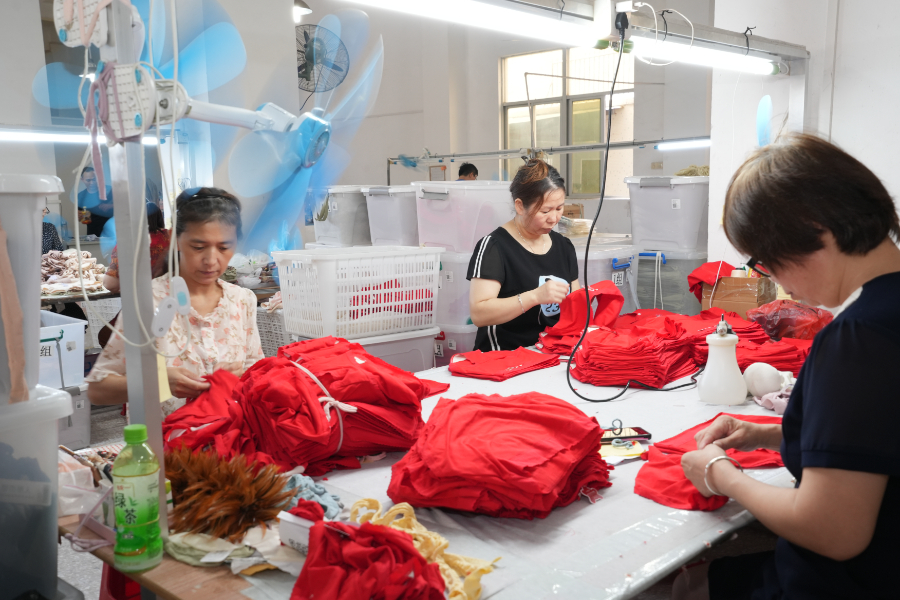
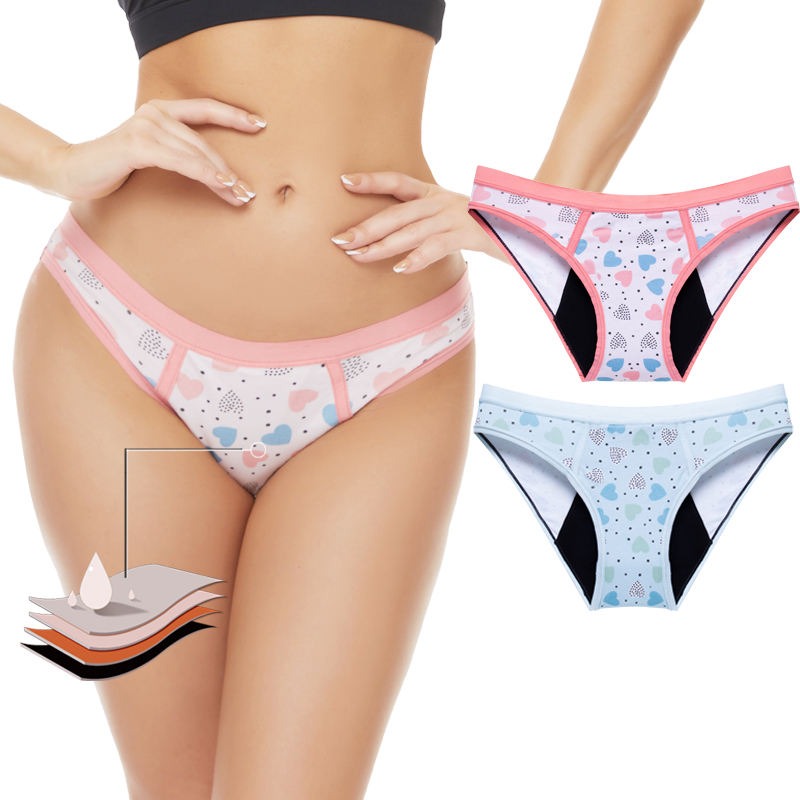
Period underwear QC runs across 3 stages — Pre-Production Inspection (PPI), During Production Inspection (DPI), and Pre-Shipment Inspection (PSI). Apply AQL 2.5 as your standard for major defects on intimate apparel. Absorbency performance must be independently tested, not self-reported by the factory. Third-party inspection for any order above $10,000 is non-negotiable.
Read More>
rounds before bulk approval. Stock/reference samples can be free or low-cost; custom prototypes are always paid. Skipping sampling to save money is the single most expensive shortcut in period underwear sourcing.
Read More>
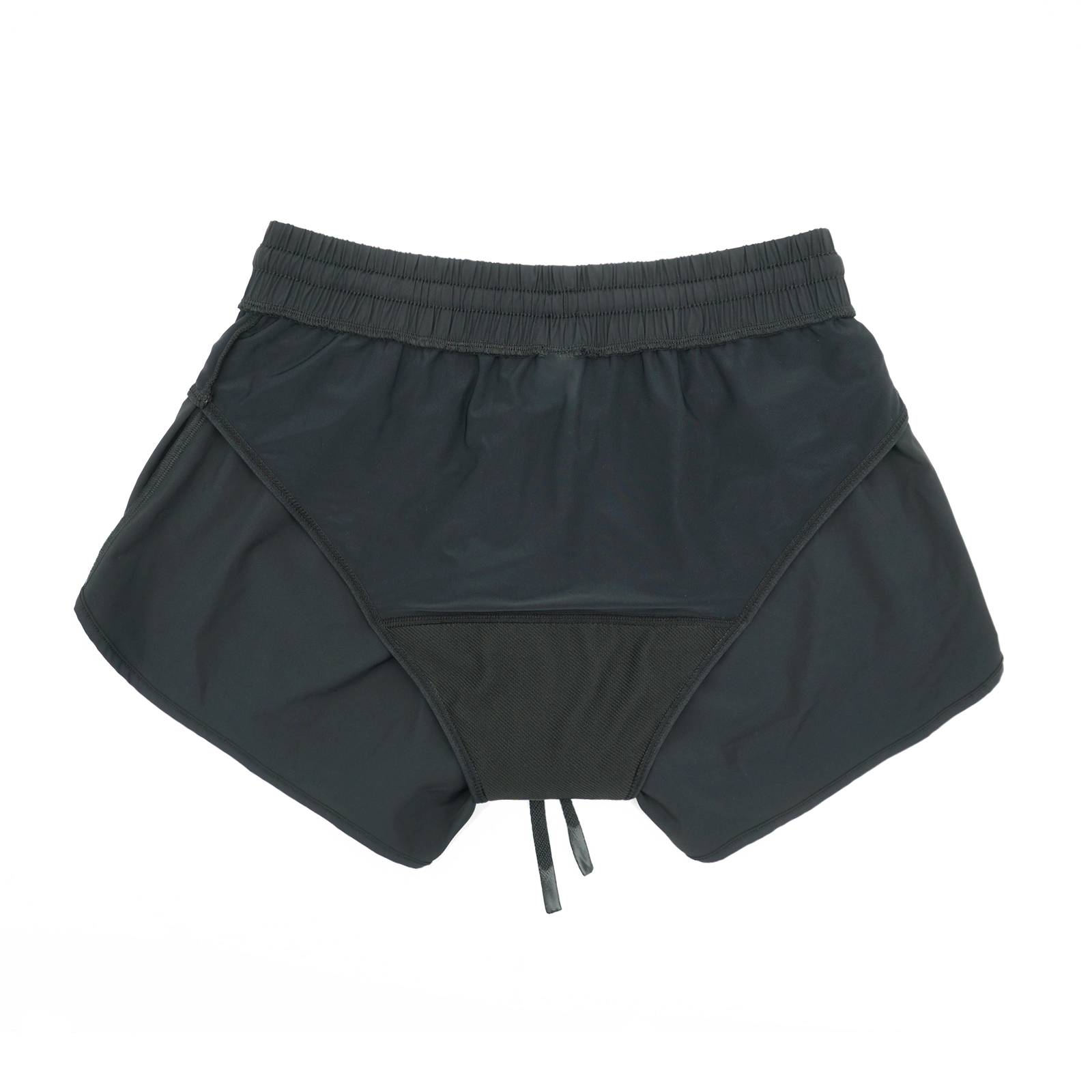
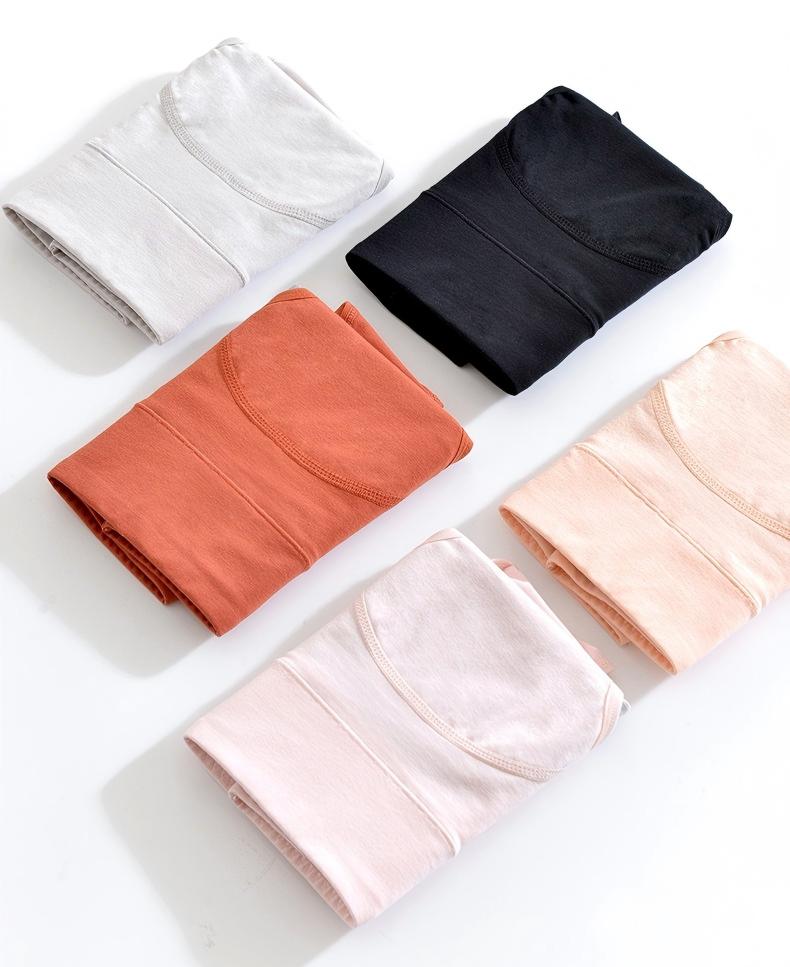
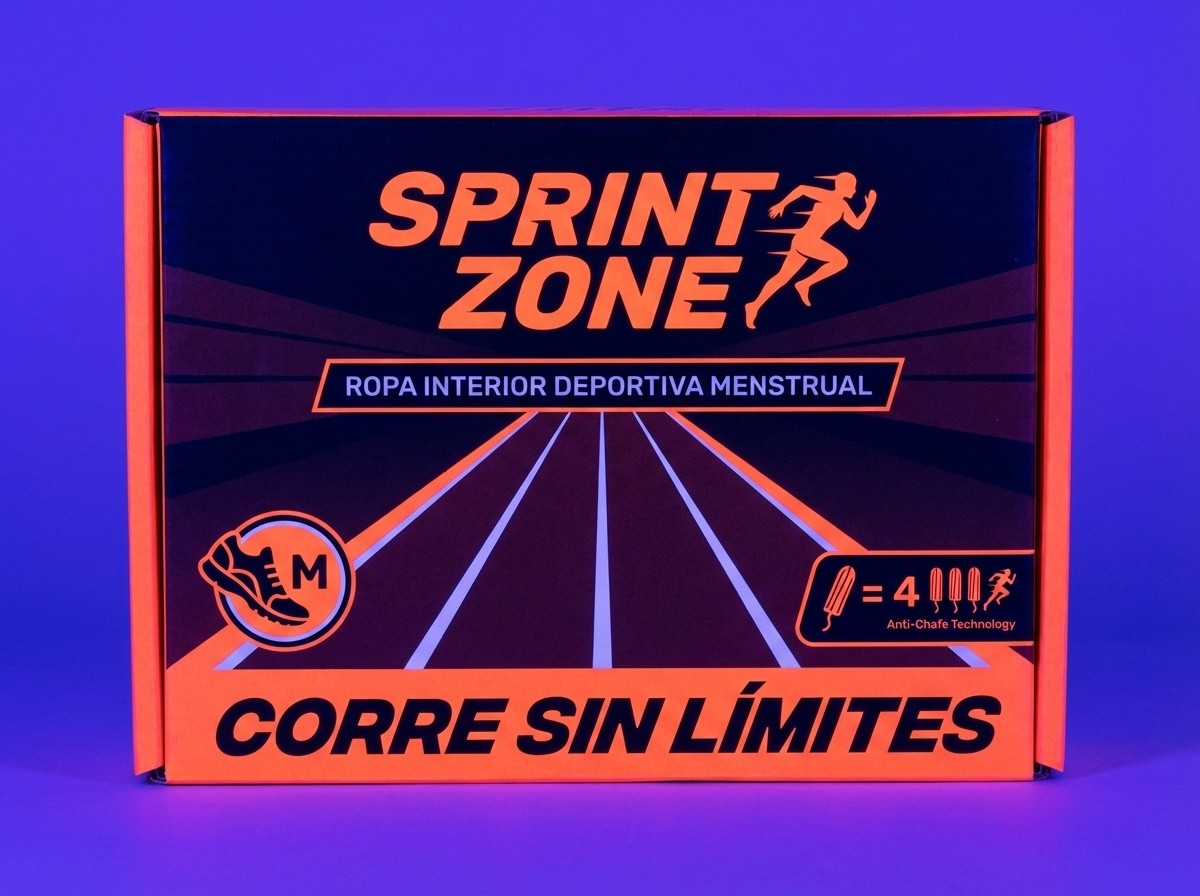
The 7 customization levers for private label period underwear are: (1) fabric selection, (2) absorbency level, (3) silhouette and style, (4) size range and grading, (5) color, print and aesthetic, (6) branding touchpoints, and (7) technology and performance add-ons. New brands should prioritise waistband branding and packaging first — these deliver the highest perceived brand differentiation for the lowest incremental cost.
Read More>
Period underwear ex-factory wholesale cost ranges from $3.70 to $12.00 per pair, depending on construction complexity, absorbency level, and order volume. At 1,000 units, expect to pay $6–9 per pair ex-works China. Landed cost (including freight and duties) adds $1.50–3.00 per unit. Retail pricing by established brands typically lands at $20–50, which implies a 4–6× markup from factory cost.
Read More>
What Certifications Matter for Period Underwear?
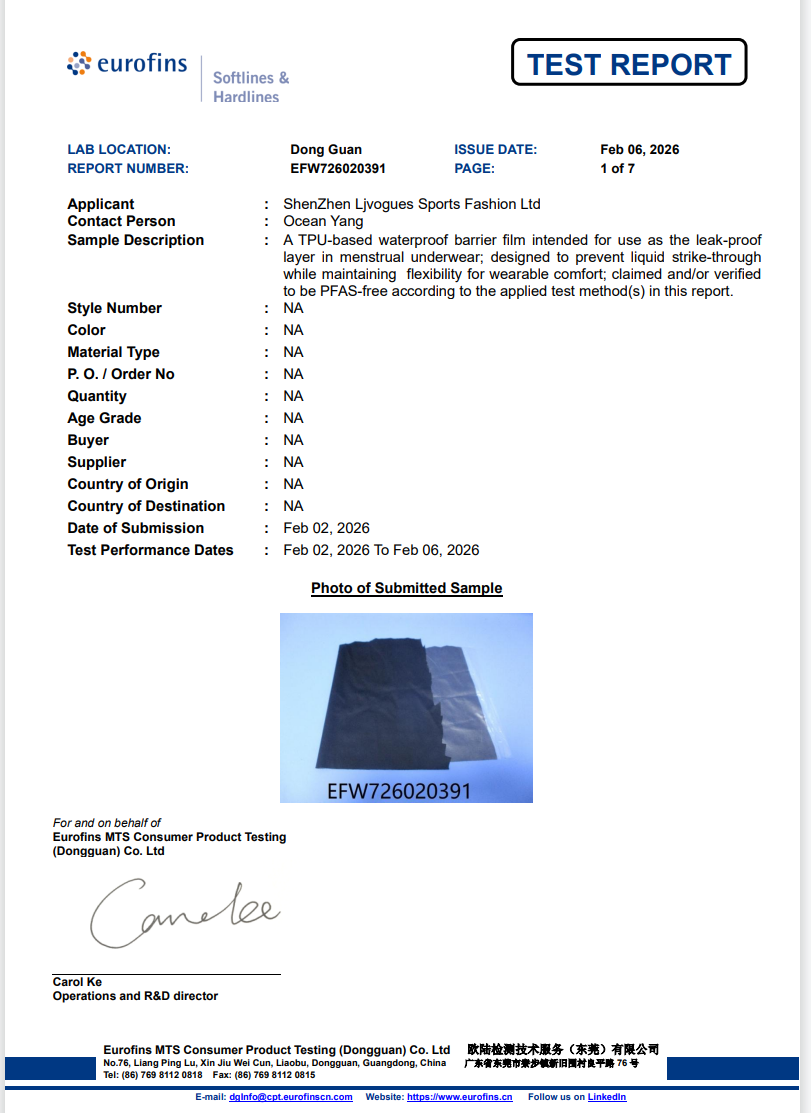
For most markets, OEKO-TEX® STANDARD 100 (Class II) is the baseline requirement — it confirms the fabric is free of harmful substances. PFAS-free verification via third-party lab testing is now non-negotiable following 2025 US and EU regulations. BSCI or SEDEX audits satisfy European retailer ethical sourcing requirements. GOTS is relevant for organic cotton styles. Together, these four form the minimum certification stack for any brand targeting the US, EU, or UK market.
China is home to the world's most developed period underwear manufacturing ecosystem, concentrated in Guangdong and Fujian provinces. This guide profiles 10 verified Chinese manufacturers — covering location, MOQ, certifications, and best-fit buyer profiles — so you can shortlist the right factory without wasting weeks on dead-end inquiries.
Read More>
MOQ (minimum order quantity) for period underwear typically ranges from 300–500 pieces per SKU for basic reusable styles up to 3,000–5,000 pieces for fully custom designs with proprietary fabrics. MOQs exist because of fabric roll minimums, lamination batch economics, and production setup costs. Most growth-stage brands start at 300–500 pcs per style and scale from there.
Read More>Talk to Us