Table of ContentsToggleWhy the Period Biker Short Matters NowPart 1: Why the Biker Short Is the Hardest Period Garment to EngineerPart 2: The Four Engineering PillarsPillar 1: Compression Fabric SelectionPillar 2: Absorbent Gusset ArchitecturePillar 3: TPU Barrier LaminationPillar 4: Construction Me
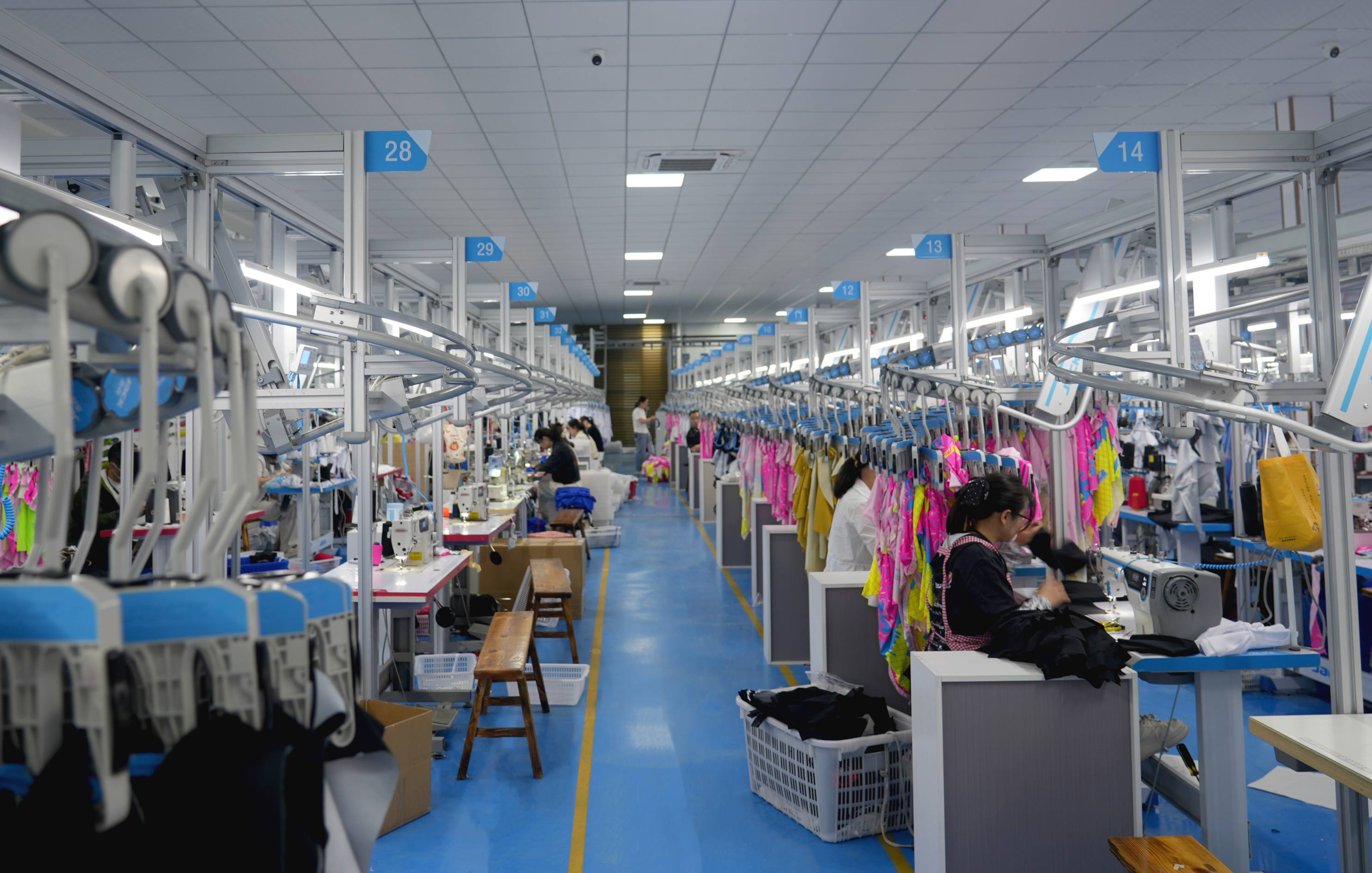
A modular absorbent system lets brands build period biker shorts, leakproof leggings, girls' safety shorts, schoolwear shorts, and running split shorts from a single shared gusset architecture. By standardizing capacity tiers (15–50 ml), gusset shapes, and TPU barrier specifications,
The global activewear market is on track from USD 345.79 billion in 2025 to USD 720.25 billion by 2034. A new sub-category — leakproof activewear — is emerging at the intersection of period underwear technology and athletic performance wear. Three product archetypes are leading: period biker sh
The MOQ for custom period underwear usually ranges from 50 to 6,000+ pieces, depending on the customization level. For selected Ljvogues styles, small-batch customization can start from 50–100 units. For custom private label orders, a practical industry benchmark is 500–1,000 pieces per style.
Period underwear manufacturers should have textile safety certificates, chemical compliance reports, quality systems, and social audit documents. The most important documents are OEKO-TEX Standard 100, PFAS test reports, REACH/SVHC declarations, CPSC flammability compliance for the US, BSCI or SMETA audits, and ISO 9001.
Private label period underwear usually costs $3.80–$12+ per piece ex-factory in China. The final landed cost often becomes $5–$15+ per piece after sampling, packaging, testing, inspection, freight, duties, and warehousing.For startup brands, the safest first-order budget is usually $8,000–$15,000. F
India is the fastest-growing period panties market globally, with a CAGR of 22.6% (Grand View Research). Indian brand founders can source domestically — primarily from garment clusters in Delhi NCR, Gujarat, Maharashtra, Tamil Nadu, and Karnataka — or import from China. Domestic sourcing offers lower MOQs and no import duty. Chinese manufacturing offers superior absorbent core technology, full OEKO-TEX and PFAS-free certification, and better economics at 5,000+ units. Most successful Indian brands use both.
A factory posing as a manufacturer, missing or unverifiable certifications, prices 30%+ below market, demands for 100% upfront payment, no period underwear specialisation, evasive communication, refusal of factory visits or third-party inspections, stolen or stock photos, no written contract, and zero online footprint are the ten most reliable warning signs that a period underwear supplier cannot be trusted. Identifying even two or three of these signals simultaneously should put any sourcing relationship on hold.