



Table of Contents
You have decided you want period swimwear. Good decision. You do not need to sit on the sidelines, miss the pool party, or rely on a bulky tampon the entire time you are at the beach. Period swimwear has evolved into a genuinely high-performing product category — one that lets you swim, surf, race, and relax with real confidence.
But here is where many buyers get stuck: there is no single "period swimwear." There are bikini bottoms, one-piece suits, swim shorts, tankinis, and competition-grade training suits — each engineered with different priorities, different absorbency capacities, and different ideal use cases. The wrong choice is not just a style misstep. It is a product that may not deliver the protection you need for your specific activity and flow level.
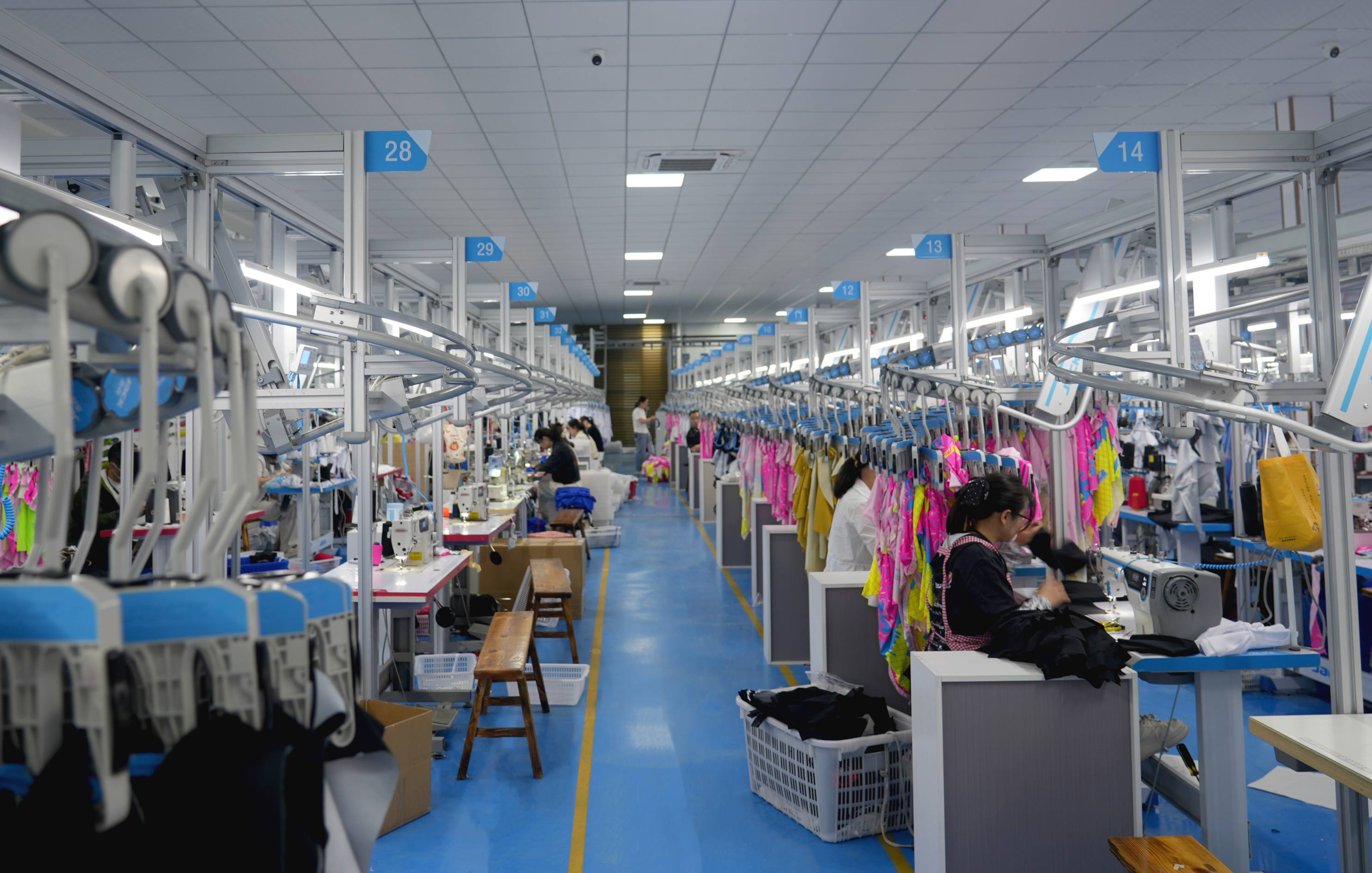
At LJVOGUES, we manufacture period swimwear for over 500 global brands. We engineer every style in our facility in Shenzhen, run chlorine resistance tests, conduct hydrostatic pressure testing, and certify our materials to OEKO-TEX® STANDARD 100. We know, from the inside out, exactly how these styles differ — and which one is right for which swimmer.
This guide covers every major period swimwear style, with a full comparison table, a style-finder decision flow, and the engineering details that actually matter when you are in the water.
What All Quality Period Swimwear Must Have — Regardless of Style
Before diving into the style breakdown, it is worth establishing what separates genuine leak proof period swimwear from products that use the label without the technology to back it up. Every style we manufacture — bikini bottoms, one-pieces, shorts, competition suits — must meet the same core engineering standards.

The 4-Layer Construction
All functional period swimwear requires four distinct working layers:
Quick-dry comfort mesh (innermost) — Soft, skin-safe, moisture-transferring. Wicks menstrual fluid away from skin without retaining environmental water.
Selective absorption layer — The critical innovation. Absorbs body-temperature menstrual blood flowing inward from the body while resisting pool water, seawater, or lake water entering from outside. Capacity varies by style and gusset size.
Waterproof barrier — A laminated, PFAS-free membrane that prevents external water from penetrating inward and prevents absorbed fluid from escaping outward. This layer is tested to AATCC 127 hydrostatic pressure standards in our lab.
DWR-treated outer fabric — A Durable Water Repellent (DWR) coating on the outer shell causes water to bead and roll off the surface rather than saturating the garment. Critically, our DWR treatments are PFAS-free — no PFOA, no PFOS, no fluorinated chemistry of any kind.
Without all four layers working together, a product is either a regular swimsuit with a thin liner or a period underwear garment that will flood with pool water. Neither performs. Our OEKO-TEX® STANDARD 100 certification and third-party lab verification confirm that every layer in our swimwear is free from harmful substances.
Fit Is Non-Negotiable
No waterproof barrier compensates for poor fit. The gusset must sit flush against the body with consistent contact at the inner thighs and the sit bones. A gap — even a small one — creates a pathway for water to enter and fluid to escape. This is why our engineering team develops size-specific gusset dimensions rather than simply scaling one template across XS through 4XL. Proper fit is the final layer of protection.
Period Swimwear Style Breakdown
1. Bikini Bottoms — The Versatile, Beach-Ready Classic
Overview
Period swimwear bikini bottoms are the most popular style we produce, and for good reason. They look exactly like regular bikinis — because they are cut like regular bikinis — but with the full 4-layer protection system built into the gusset. Mix them with any bikini top you already own. Wear them at the beach, the pool, or a pool party without drawing any attention to the fact that they are period-protective.
Within the bikini category, there are three distinct cuts:
Classic bikini bottom — Moderate coverage on the hip and rear, sits at natural waist or just below. Best for versatile, everyday beach or pool use.
High-waist bikini bottom — Higher rise with extended front panel for additional tummy coverage and security. The extra fabric means a slightly larger gusset zone, which translates to better coverage for moderate flow. This is one of our most requested styles for swimmers who want both fashion and function.
Cheeky / side-tie adjustable — Minimal rear coverage with a fashionable cut. Best for light flow days when aesthetics are the priority.
Who Should Choose Bikini Bottoms
Bikini period swimwear bottoms are ideal if you want to mix and match with tops you already own, if you prioritize a fashionable or low-profile appearance, or if you are managing light-to-moderate flow. They are well-suited for beach days, pool parties, casual laps, snorkeling, and any water activity where you are in and out of the water rather than continuously swimming for extended periods.
Absorbency: 15–25ml (equivalent to approximately 1–3 tampons)
Pros:
Fashionable, discreet, and indistinguishable from a regular bikini
Mix-and-match flexibility with existing swimwear
Wide range of cuts and rise options
Lightest-weight option — no bulk, minimal drag
Cons:
Lower absorbency than one-pieces or shorts (smaller gusset zone)
Less suited to heavy flow days
Cheeky cuts provide minimal security margin
Best Flow Level: Light to moderate
Best Activity: Beach, casual pool, snorkeling, pool parties
2. One-Piece Period Swimsuits — Maximum Security for Active Swimmers
Overview
A one piece period swimwear suit is the engineering pinnacle of the period swimwear category. Because the garment encases the entire torso, the gusset can extend further front-to-back and side-to-side than any bikini bottom. This larger absorption zone means significantly higher absorbency capacity and a greater margin of security for active, vigorous swimming.
At LJVOGUES, we produce several one-piece styles for our brand partners:
Sport racerback one-piece — Narrow straps, high armholes, and a streamlined silhouette optimized for lap swimming and water aerobics. The design reduces drag and stays in place during dynamic movement.
Classic scoop-neck one-piece — A more relaxed silhouette suitable for resort wear, beach holidays, and casual swimming. Offers full coverage without an athletic aesthetic.
High-rise boyshort one-piece set — A two-piece that functions as a full one-piece with extended short-cut bottoms for additional thigh coverage. Popular for surfing and active water sports.
Triangle thong bodysuit — A fashion-forward cut with minimal rear coverage but full front protection and the complete 4-layer system. Best for lighter flow in lifestyle settings.
Who Should Choose a One-Piece
Period swimwear one piece suits are the right choice for anyone who swims laps regularly, does water aerobics, surfs, or participates in water sports that require vigorous, sustained movement. They are also the preferred choice for anyone managing moderate-to-heavy flow, because the larger gusset translates directly into greater capacity. The one-piece also provides the most consistent contact around the entire gusset perimeter — which is exactly what you want when you are doing flip turns in a pool lane.
Absorbency: 25–35ml (equivalent to approximately 3–5 tampons)
Pros:
Highest absorbency among non-competition styles
Maximum gusset contact area — lowest leak risk during dynamic movement
Tummy coverage and body-contouring options
Athletic performance designs minimize drag
Cons:
Less convenient for bathroom breaks (must remove entirely)
Fewer mix-and-match options
Some women find one-pieces warmer during prolonged beach wear
Best Flow Level: Moderate to heavy
Best Activity: Lap swimming, water aerobics, surfing, resort travel, any sustained water activity

3. Swim Shorts and Boyshorts — Maximum Coverage and Confidence
Overview
Period swimwear shorts (also called boyshorts or swim pants) provide the most coverage of any period swimwear style. These are cut like athletic shorts — typically extending 3–5 inches down the thigh — and combine a full-length waistband with an extended gusset zone that covers more surface area than any other bottom style.
This is the style our engineering team specifically developed for three use cases: teens who want maximum security and confidence during their earlier periods, women managing heavy flow who want to wear period swimwear as their sole protection without supplementation, and water park visitors who move between dry and wet environments frequently.
Who Should Choose Swim Shorts
Period swimwear shorts are the best choice for teens experiencing their first or early periods, for heavy flow days when a bikini bottom's absorbency is not sufficient, and for water parks, water slides, or active water sports where movement is unpredictable and coverage matters. The extended short cut also makes it easy to wear loosely over a competition suit for warm-up or cool-down periods at the pool deck.
Absorbency: 30–35ml (equivalent to approximately 3–7 tampons, depending on the gusset configuration)
Pros:
Maximum coverage of any bottom style
Highest absorbency in the bottom-only category
Ideal for teens and anyone wanting extra reassurance
Works well over a competition suit
Hides any visible outline through external clothing
Cons:
More athletic/sporty aesthetic — not suited for fashion-forward beach looks
Heavier than bikini bottoms
Less drag-efficient for competitive speed swimming
Best Flow Level: Moderate to heavy
Best Activity: Water parks, active water sports, teen use, heavy flow days, casual pool
4. Tankini Bottoms — The Understated Middle Ground
Overview
Period swimwear tankini bottoms sit between a classic bikini and a one-piece in both coverage and function. Paired with a tankini top, they offer extended waist coverage (the top hangs below the waistline) while keeping top and bottom separate for convenience. The bottom itself uses the same 4-layer gusset system as our bikini bottoms, sized to the same absorbency specification.
The appeal of the tankini configuration is largely practical: bathroom breaks do not require removing the entire garment as they do with a one-piece, yet the top provides more coverage than a bikini top. For women who want that combination of convenience and modesty, the period swimwear tankini is the right answer.
Absorbency: 15–25ml (equivalent to approximately 1–3 tampons)
Best Flow Level: Light to moderate
Best Activity: Casual beach, pool, resort, vacation swimming

5. Period Swimwear Briefs — Minimal, Streamlined Protection
Overview
Period swimwear briefs are a low-rise, minimal-cut bottom that prioritizes streamlining over coverage. The cut is typically lower on the hip than a classic bikini, with less fabric overall. The gusset zone is optimized rather than maximized — this is a style designed for swimmers who want period protection without the bulk or rise of a bikini or short.
Briefs are particularly popular in the European swimwear market and among recreational swimmers who value a clean, minimal aesthetic. They provide reliable light-flow protection but are not our recommended choice for moderate or heavy flow days.
Absorbency: 15–20ml (approximately 1–2 tampons)
Best Flow Level: Light
Best Activity: Casual pool, beach, recreational swimming
6. Competition and Training Suits — Built for the Pool Lane
Overview
Period swimwear for competitive swimmers is a distinct engineering challenge. Everything about a competition swimsuit is optimized for speed: fabric weight, seam placement, surface texture, drag coefficient. A period swimwear system for competitive swimmers must deliver all of that performance while incorporating a functional leak-proof gusset — without adding meaningful bulk, weight, or drag.
This is one of the most technically demanding products we manufacture.
Engineering for Competition
Our competitive period swimwear uses a thinner-profile 4-layer system in the gusset — engineered to maintain absorbency (20–30ml capacity) while minimizing added thickness. The outer fabric is our highest-grade chlorine-resistant textile, tested to withstand repeated exposure to pool chemicals without degrading the DWR coating or the waterproof barrier. Standard swimwear fabrics begin degrading at 200–300 wash/exposure cycles; our competition-grade fabrics are rated for significantly higher cycle counts.
The racerback design is standard across our competition line — it allows full shoulder rotation for freestyle, backstroke, butterfly, and all competitive strokes without the strap movement that can shift a regular one-piece during racing or training.
Wearing Period Swimwear Under a Team Suit
Many competitive swimmers ask whether they can wear period swimwear under their official team race suit. For training sessions, this is entirely practical — our training suits are thin enough that a second layer does not cause meaningful friction or bulk. For official competition, World Aquatics (FINA) regulations govern what garments may be worn during sanctioned events. As of current regulations, an approved base layer garment worn beneath the competition suit may be acceptable in certain conditions, but athletes should always confirm with their coach and meet officials before race day. For regular training use, our period swimwear training suits are fully compliant with standard pool dress codes.
Who Should Choose Competition Period Swimwear
Best period swimwear for competitive swimmers is purpose-built for anyone who trains in a pool multiple times per week, competes on a swim team, or engages in triathlon swimming. It is also the right choice for open-water swimmers who need a streamlined, chlorine-resistant option.
Absorbency: 20–30ml (approximately 2–4 tampons)
Pros:
Chlorine-resistant fabric rated for sustained pool use
Racerback design for full stroke mechanics
Thin-profile gusset — minimal drag and bulk
Can be worn as standalone training suit or under a race suit
Complete 4-layer protection in a performance-optimized profile
Cons:
Not designed for beach aesthetics
Higher price point than recreational styles
Requires careful care to preserve chlorine resistance
Best Flow Level: Light to moderate (supplementation recommended for heavy flow during competition)
Best Activity: Competitive swimming, triathlon, squad training, open-water swimming
7. Plus Size Period Swimwear — Engineered for Real Bodies, Not Just Scaled Up
Overview
Plus size period swimwear from LJVOGUES is available in sizes up to 4XL as standard, with our extended range reaching 8XL. This is not a marketing claim — it is an engineering commitment. There is a meaningful difference between a standard-size design that has been proportionally scaled to larger sizes and a design that has been rebuilt from the ground up with plus-size proportions in mind.
Our engineering team approaches plus-size period swimwear with three specific adaptations:
Wider gusset geometry — A larger gusset zone that maps to actual plus-size anatomy rather than maintaining the same gusset-to-garment ratio as a size S design. This ensures the absorption zone actually covers where it needs to cover.
Scaled absorption zone — The absorption layer area increases in direct proportion to gusset size, maintaining consistent protection-per-centimeter across all sizes.
Structural support engineering — Side seams, waistbands, and leg openings are reinforced to maintain consistent compression and contact across extended size ranges without causing discomfort.
The result is period swimwear that fits, functions, and protects — not a compromise product that looks like it should work but does not.
Available Plus Size Styles
All major LJVOGUES period swimwear styles are available in our plus-size range: classic bikini bottoms, high-waist bikini bottoms, one-piece suits, swim shorts, and tankini bottoms. Plus-size customers can use the same style selection criteria as any other customer — the engineering foundation is consistent.

Full Style Comparison Table
Style | Best For | Absorbency | Coverage | Ideal Flow Level | Best Activity Type |
Classic Bikini Bottom | Beach, casual pool, mix-and-match | 15–20ml (1–2 tampons) | Low-moderate | Light | Beach, pool party, snorkeling |
High-Waist Bikini Bottom | Fashion + security, tummy coverage | 20–25ml (2–3 tampons) | Moderate | Light–moderate | Beach, casual laps, resort |
Cheeky / Side-Tie Bottom | Fashion-forward, light days | 15ml (1 tampon) | Minimal | Light only | Beach, lifestyle |
Period Swimwear Brief | Streamlined, minimal aesthetic | 15–20ml (1–2 tampons) | Low | Light | Recreational pool, beach |
Tankini Bottom | Modesty + convenience | 15–25ml (1–3 tampons) | Moderate | Light–moderate | Beach, resort, casual pool |
One-Piece (Sport/Racerback) | Active swimming, laps, sports | 25–35ml (3–5 tampons) | High | Moderate–heavy | Laps, water aerobics, surfing |
One-Piece (Classic) | Full coverage, casual–active | 25–30ml (3–4 tampons) | High | Moderate–heavy | Beach, resort, casual swimming |
Swim Shorts / Boyshorts | Max coverage, teens, heavy flow | 30–35ml (3–7 tampons) | Maximum | Moderate–heavy | Water parks, active sports, teens |
Competition Training Suit | Competitive/training swimmers | 20–30ml (2–4 tampons) | High (athletic) | Light–moderate | Squad training, triathlon, open water |
Plus Size (all styles) | XL–8XL bodies, proper fit | Style-dependent | Style-dependent | Style-dependent | All activities |
Style Finder: A Decision Flow to Find Your Match
Not sure where to start? Work through these questions in order to identify the right period swimwear style for your situation.
Step 1 — What is your flow level today?
Light (1 tampon equivalent per 4 hours or less) → Continue to Step 2
Moderate (2–3 tampon equivalents per 4 hours) → Skip to Step 3
Heavy (4+ tampon equivalents per 4 hours) → Go directly to Step 4
Step 2 — You have light flow. What is your priority?
Fashion and mix-and-match flexibility → Classic Bikini Bottom or High-Waist Bikini Bottom
Minimal, streamlined look → Period Swimwear Brief
Modest coverage with top/bottom convenience → Tankini Bottom
Competitive pool training → Competition Training Suit
Step 3 — You have moderate flow. What is your activity?
Lap swimming, water aerobics, active sports → One-Piece (Sport Racerback)
Beach or resort holiday → High-Waist Bikini Bottom or One-Piece (Classic)
Water park or active water activities → Swim Shorts / Boyshorts
Teen swimmer or extra reassurance needed → Swim Shorts / Boyshorts
Step 4 — You have heavy flow. What matters most?
Maximum protection as sole coverage (no tampon/cup) → Swim Shorts / Boyshorts or One-Piece
Active lap swimming with heavy flow → One-Piece (Sport Racerback) + consider supplementation
Fashion with maximum bottom coverage → High-Waist Bikini Bottom + supplementation recommended
Step 5 — Additional considerations:
Plus size (XL–8XL)? → Any style above in our extended size range — see plus size period swimwear
Competitive swimmer / swim team? → Competition Training Suit
Teen experiencing first period? → Swim Shorts / Boyshorts for maximum confidence
-
The Manufacturer's Perspective: Why Engineering Differs Between Styles
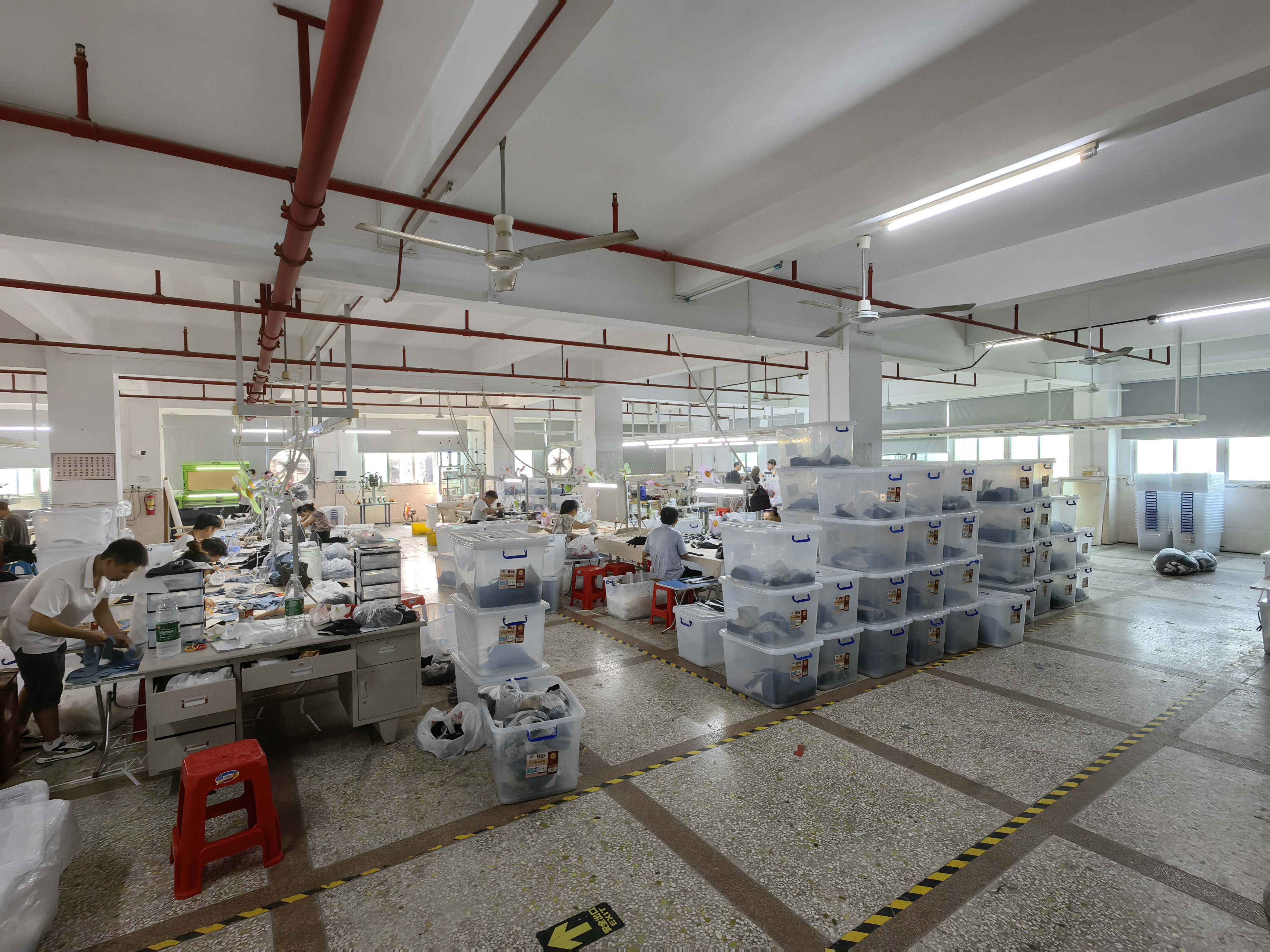
From our production floor in Shenzhen, we can tell you plainly: making period swimwear that works across all these styles is not simply a matter of inserting the same gusset into different garment cuts. Every style requires specific engineering adjustments.
Gusset geometry changes with every cut. A bikini bottom has a shorter front-to-back gusset span than a one-piece. A swim short has a wider lateral coverage zone than a brief. Our pattern engineers redesign the gusset geometry for every style to ensure the absorption zone sits exactly where it needs to be for that specific garment's movement profile.
Seam placement affects containment. In a one-piece, the waistband and leg openings work together to create a full-perimeter seal around the gusset. In a bikini bottom, the leg openings do the majority of the containment work. We position seams and apply binding accordingly — the leg binding on bikini bottoms is engineered to a tighter tolerance than on one-pieces, because it carries a greater portion of the containment function.
Fabric tension differs between styles. A competition suit is under significantly more tension during use than a beach bikini. Our waterproof barrier layer is bonded differently in competition suits to prevent delamination under the sustained stretch of dynamic swimming. A barrier that performs flawlessly in a low-tension bikini bottom may fail under competition-level stretch if it has not been specifically engineered for that load.
Chlorine resistance must be specified by use case. Recreational bikini bottoms encounter pool chemicals occasionally. Competition training suits encounter them daily, sometimes twice daily, for months at a time. We specify different outer fabrics and DWR treatments for each use case — the same fabric on both would either over-engineer the recreational product or leave the competition suit degrading prematurely.
This is why it matters to source period swimwear from a manufacturer with genuine engineering depth. Twenty years of OEM/ODM manufacturing experience means we have already solved these problems — not just for one style, but for the full range.
LJVOGUES Period Swimwear Product Range
We manufacture the full spectrum of period swimwear styles for brand partners worldwide. Our product range includes:
Period Swimwear Bikini Bottoms — Classic, high-waist, and side-tie adjustable styles in sizes XS–4XL (extended to 8XL)
One-Piece Period Swimsuits — Sport racerback, classic scoop-neck, and high-rise boyshort set options
Period Swim Shorts / Boyshorts — Maximum-coverage shorts in standard and plus-size ranges
Period Swimwear Tankini Bottoms — Convenient separate-top configuration for modest coverage
Competition Period Training Suits — Chlorine-resistant, racerback, thin-profile gusset for serious swimmers
Plus Size Period Swimwear — Engineered from scratch for XL–8XL bodies across all styles
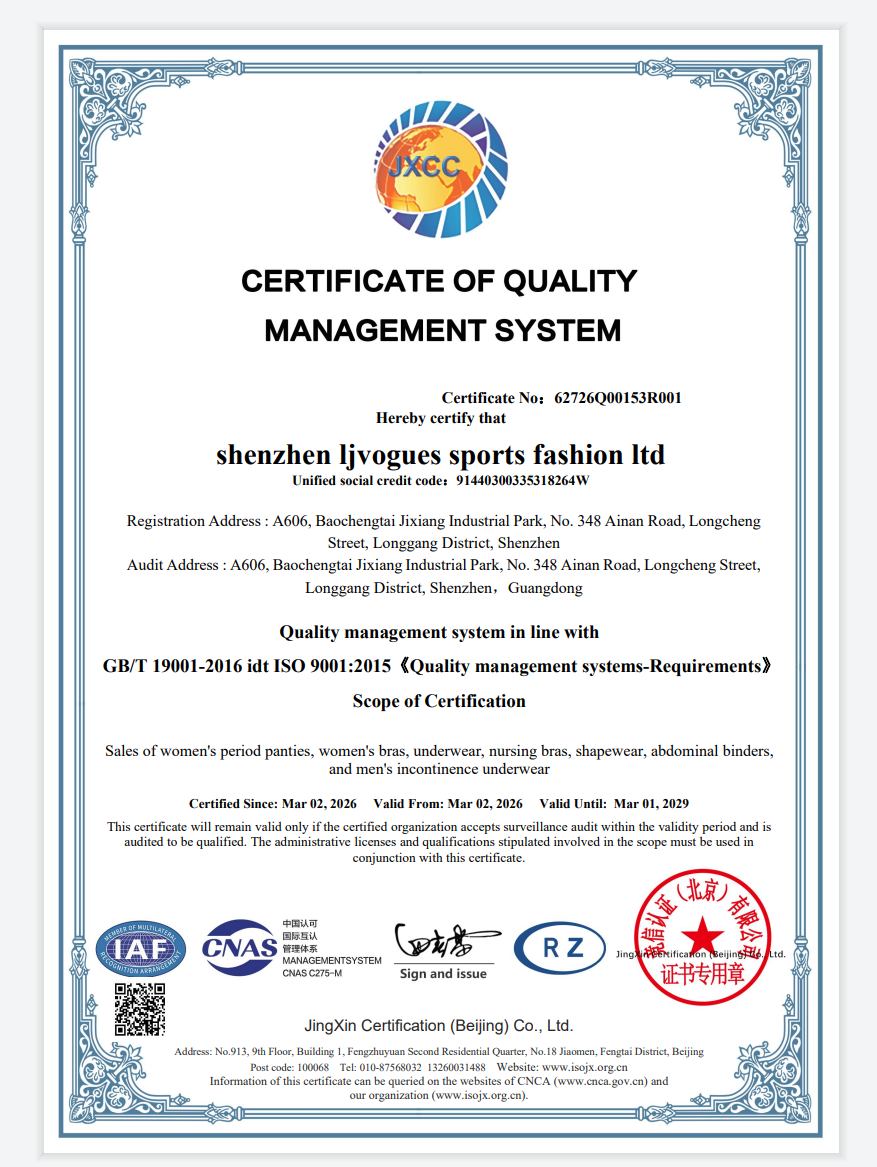
All styles are certified OEKO-TEX® STANDARD 100, 100% PFAS-free, and manufactured to ISO 9001 quality standards with our AQL 2.5 QC process.
For brand partners interested in custom period swimwear development — including OEM/ODM production across any of these styles — contact our team to discuss production minimums, certification requirements, and custom development timelines.
Conclusion
There is no single "best" period swimwear style. There is only the best style for your specific combination of flow level, activity type, body preference, and coverage needs. A competitive swimmer training twice daily needs something fundamentally different from a woman wearing period swimwear to a beach holiday — and both need something different from a teenager heading to a water park for the first time.
What every style shares is the same engineering foundation: a 4-layer construction with selective absorption, a PFAS-free waterproof barrier, a DWR-treated outer shell, and proper fit that maintains consistent gusset contact during movement. Without all four elements, the style distinction is irrelevant — the product will not work in water.
Use the comparison table and style finder in this guide to identify your match. If you are managing a moderate-to-heavy flow and swimming actively, start with a one-piece or swim shorts. If you want fashion and flexibility for lighter flow days, a high-waist bikini bottom delivers both. If you swim competitively, a chlorine-resistant competition suit built for performance is the right investment.
Whatever you choose, explore the full LJVOGUES period swimwear range — designed and manufactured with two decades of engineering expertise, and certified to the standards your body deserves.
Frequently Asked Questions
Q: What is the most absorbent period swimwear style?
A: Swim shorts (boyshorts) and full one-piece swimsuits offer the highest absorbency, ranging from 25–35ml (equivalent to 3–7 tampons depending on the specific style). The larger gusset geometry in these styles allows a greater absorption zone than bikini bottoms or briefs. For very heavy flow, swim shorts or a sport one-piece are the recommended starting point — though for exceptionally heavy flow days, pairing period swimwear with a menstrual cup is always an option to extend wear time further.
Q: Can I use period swimwear bikini bottoms as standalone protection on a heavy flow day?
A: Most period swimwear bikini bottoms are rated for 15–25ml, which corresponds to light-to-moderate flow. On a genuinely heavy flow day — defined as needing to change protection every 1–2 hours with a regular tampon — a bikini bottom alone is likely to reach capacity before you are ready to exit the water. For heavy flow days, we recommend upgrading to swim shorts or a one-piece, or pairing a bikini bottom with a menstrual cup for extended protection.
Q: Is period swimwear for competitive swimmers different from regular period swimwear?
A: Yes — significantly. Competitive period swimwear is engineered with a thinner-profile gusset to minimize drag, a chlorine-resistant outer fabric rated for daily pool exposure, and a bonded waterproof barrier designed to withstand the sustained stretch forces of competitive stroke mechanics. Standard recreational period swimwear uses a different (and often thicker) gusset construction that is not optimized for speed or for the chlorine intensity of daily squad training. If you swim competitively or train regularly in a pool, a purpose-built competition training suit will perform meaningfully better over the long term.
Q: Can I wear period swimwear under my team race suit at a competition?
A: For training sessions, wearing a period swimwear training suit as a base layer under a team suit is practical and generally unproblematic. For official sanctioned competition, World Aquatics (FINA) regulations govern what garments may be worn, and requirements can vary by event and competition level. Always confirm with your coach and the meet officials before race day. Many competitive swimmers use period swimwear training suits during warm-ups and training, then manage their period via menstrual cup during the actual race.
Q: What is the difference between a one-piece period swimsuit and a regular one-piece swimsuit?
A: The visual difference is minimal — which is intentional. A period one piece swimwear suit looks exactly like a standard one-piece from the outside. The functional difference is entirely in the gusset: a 4-layer construction with a selective absorption layer and a waterproof barrier that allows the suit to absorb menstrual fluid while in water without leaking outward or saturating with pool water. A regular one-piece has no such system and will neither absorb effectively nor prevent external water from entering the gusset area.
Q: Does period swimwear work in salt water and chlorinated pools?
A: Yes. Quality waterproof period swimwear is tested to perform in both salt water (ocean swimming) and chlorinated pools. The waterproof barrier layer and DWR coating function regardless of whether the external water is fresh, salt, or chlorinated. The key distinction to be aware of is that chlorine exposure over time will degrade most swimwear fabrics — including the DWR coating. Rinsing your period swimwear thoroughly in fresh water after each pool session and allowing it to air dry extends the garment's functional life significantly. Competition-grade styles use higher-specification chlorine-resistant fabrics for extended durability.
Q: Is plus size period swimwear just a scaled-up standard size?
A: At LJVOGUES, it is not. Plus size period swimwear in our range is engineered with a wider gusset geometry, a proportionally scaled absorption zone, and reinforced structural elements at the waistband and leg openings — all redesigned for the specific proportions and fit requirements of larger bodies. Simply scaling a size S gusset template to size 3XL or 4XL produces a garment where the absorption zone may not be positioned or sized correctly for the wearer. Our engineering team addresses this at the pattern stage, which is why our plus-size range extends to 8XL with genuine functional performance at every size.
Q: How do I care for period swimwear to preserve its waterproofing?
A: Rinse in cold or cool fresh water immediately after every use — this removes chlorine, salt, and any absorbed fluid before they degrade the materials. Hand wash or machine wash on a delicate/gentle cycle in cold water using a mild, non-biological detergent. Never use fabric softener, bleach, or tumble dry on high heat — these break down the waterproof barrier and DWR coating rapidly. Hang or lay flat to air dry away from direct sunlight. With proper care, quality period swimwear should maintain its functional performance for 50–80 wash cycles, equivalent to several full swim seasons of regular use.
Article published by LJVOGUES — Shenzhen Ljvogues Sports Fashion Limited. LJVOGUES is a certified OEM/ODM manufacturer of period swimwear and period underwear, holding OEKO-TEX® STANDARD 100, BSCI, SEDEX, ISO 9001, and ISO 14001 certifications. All manufacturing is 100% PFAS-free. For brand partnership and OEM/ODM inquiries, visit www.ljvogues.com.