



Table of Contents
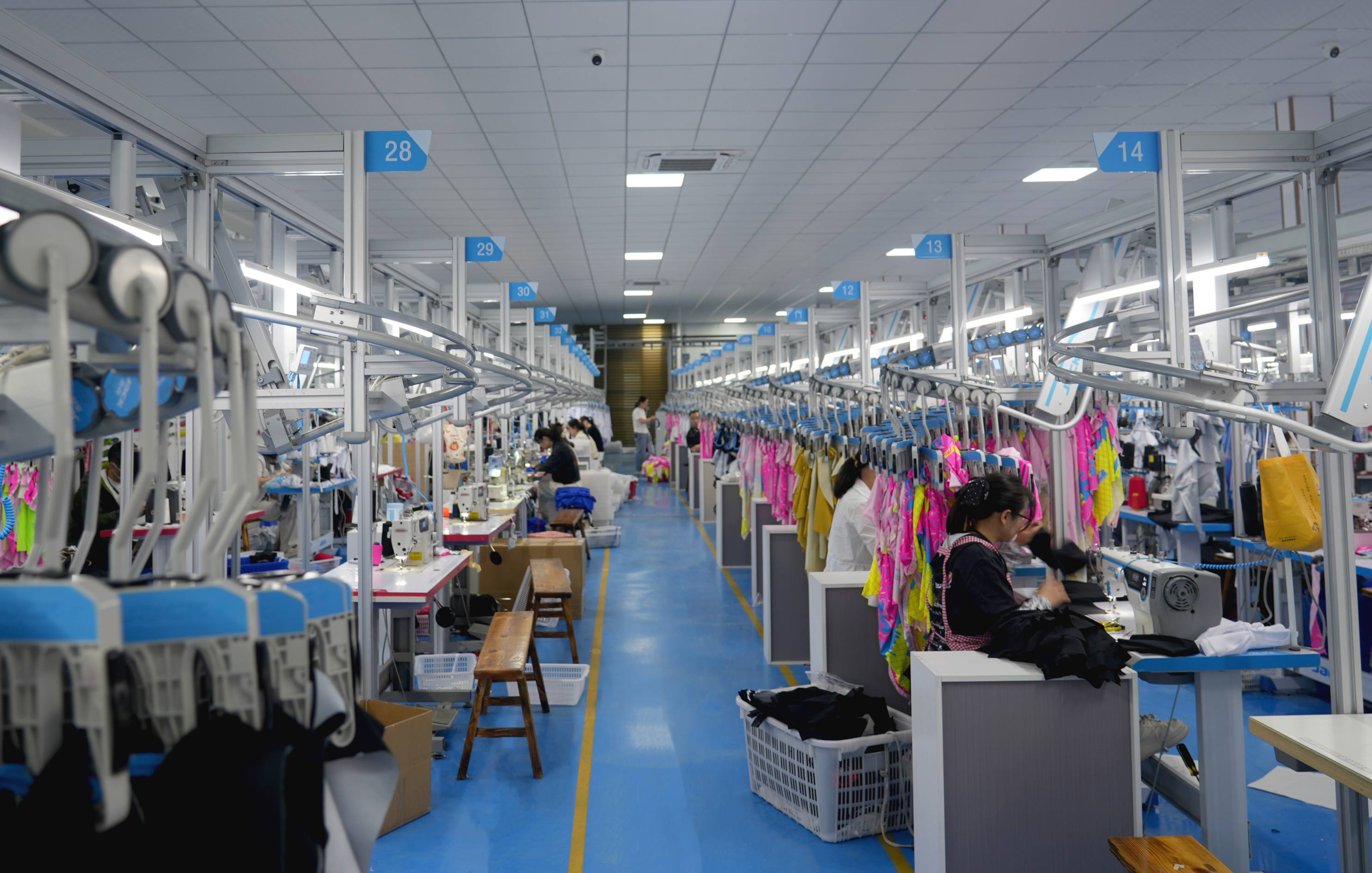
Every pair of LJVOGUES period underwear that leaves our factory in Shenzhen is built from four precisely engineered layers — a moisture-wicking top layer, a highly absorbent microfiber core, a leak-proof TPU membrane, and a soft outer shell. We test each layer individually and together. We know exactly what these materials can handle, and exactly what destroys them.
The single biggest reason period underwear fails before its time is not a design flaw. It is a care mistake. In our 20 years of manufacturing period-proof textiles for 500+ global brands, we have seen the same patterns of damage again and again: hot water, bleach, fabric softener, and tumble drying — each one capable of cutting a product's lifespan in half.
This guide is written from the production floor out. We will walk you through the right way to wash period underwear, how often to change them, and how to handle odor and deep cleaning — so your pair lasts the full 50+ washes it was engineered to deliver.
Why Proper Washing Actually Matters
It is tempting to treat period underwear like ordinary underwear. They look the same on the outside. But inside that gusset are layers of technical fabric performing very specific functions, and each one is vulnerable to different types of damage.
The Four Layers and What Can Harm Them
Layer 1 — Moisture-Wicking Top Layer
This layer pulls fluid away from your skin and into the core. It relies on fine fiber structure and surface tension to work. Fabric softener deposits a thin waxy coating on fibers, filling in the microscopic gaps that enable wicking. Once coated, the layer loses its ability to pull moisture away. The result: that clammy, wet feeling that should not happen with quality underwear.
Layer 2 — Absorbent Microfiber Core
This is the workhorse of the system. Our absorbent layer uses microfiber technology that retains capillary action — fluid is drawn inward and held between fibers through surface tension. Hot water causes blood proteins (primarily hemoglobin) to coagulate and bind to these fibers permanently. Bleach attacks the fiber structure itself, breaking down the polymer chains and reducing absorption capacity wash by wash.
Layer 3 — Waterproof TPU Membrane
This ultra-thin thermoplastic polyurethane layer is what prevents leaks from reaching outer clothing. TPU is a remarkable material — flexible, breathable, and highly effective — but it has a clear enemy: heat. Tumble drying and hot water washing can both degrade and crack the TPU membrane. Once cracked, it cannot be repaired. Bleach accelerates this breakdown by attacking the polymer matrix directly.
Layer 4 — Outer Shell
The outer fabric is relatively durable, but it still suffers from heat damage, color fading from bleach, and elastic degradation from fabric softener chemicals.
Understanding these layers is the foundation of every care rule below. The rules are not arbitrary — they protect specific materials from specific threats.

Step-by-Step: How to Wash Period Underwear
Step 1: Rinse Immediately in Cold Water
As soon as you remove your period underwear, rinse them under cold running water. Hold the gusset under the tap and run the water through the fabric until it runs mostly clear. This typically takes one to two minutes.
Why cold water and not warm? Blood contains proteins — primarily hemoglobin — that behave like egg white when heated. Cold water keeps these proteins liquid and flushes them out of the fibers. Warm or hot water causes them to coagulate and bond to the fabric permanently, creating stains that no detergent can fully remove.
Many wearers rinse in the shower before stepping out — this is one of the most practical habits you can build. It takes less than two minutes and dramatically reduces the work required in the wash cycle.
If you cannot rinse immediately (you are away from home, at work, or at school), store the used underwear in a small wet bag. Rinse as soon as you have access to a sink. Do not leave them sitting in a wet bag for more than 8–12 hours, as moisture and warmth promote bacterial growth.
Step 2: Machine Wash on a Gentle Cycle
After pre-rinsing, your period underwear can go straight into the washing machine.
Settings:
Water temperature: Cold (below 30°C / 86°F)
Cycle: Gentle or delicate
Spin speed: Low to medium — high spin forces can stress seams and stretch fabric
Detergent:
Use a mild, fragrance-free detergent. Harsh additives, enzymes designed for heavy soiling, or strongly scented detergents can leave residue in the absorbent core that traps bacteria and causes odor over time. Use the minimum effective amount — excess detergent is harder to rinse out and can build up in technical fabrics.
Protection:
Place your period underwear inside a mesh laundry bag before loading the machine. This prevents straps, zippers, and hooks from other garments catching on the gusset layers and causing abrasion or delamination.
Can you wash period underwear with other clothes? Yes — after pre-rinsing. There is no hygiene concern once excess blood has been rinsed away. The gentle cycle will not stress other garments.
Step 3: Air Dry — Never Use a Tumble Dryer
Remove period underwear from the washing machine promptly after the cycle ends and hang them to air dry.
Best drying practices:
Turn inside out to expose the gusset layers to airflow — this is the thickest part and takes longest to dry
Hang on a drying rack or line in a well-ventilated area
Avoid prolonged exposure to direct sunlight; UV rays degrade elastic and can cause color fading
To speed up drying, roll the underwear in a clean dry towel and press firmly for 30 seconds before hanging — this removes excess water mechanically without heat
Do not store or wear period underwear until they are fully dry. Partially damp storage creates conditions for mildew and bacterial growth that cause persistent odor.
Why no tumble dryer? The heat generated inside a dryer — even on a low setting — is enough to stress and eventually crack the TPU waterproof membrane. Some period underwear brands indicate low-heat tumble drying is acceptable on their care labels; air drying is always the safest option and is what we recommend for LJVOGUES products to achieve maximum lifespan.
No ironing. The TPU layer will deform under direct iron heat.
The DO and DON'T Care Comparison Table
Care Step | DO | DON'T |
First rinse | Rinse immediately in cold water until clear | Rinse in warm or hot water |
Machine wash temperature | Cold water, below 30°C | Warm or hot water |
Wash cycle | Gentle / delicate cycle | Normal or heavy-duty cycle |
Detergent | Mild, fragrance-free, minimal amount | Bleach, chlorine cleaners, enzyme-heavy detergents |
Fabric softener | Skip entirely | Add fabric softener or dryer sheets |
Laundry bag | Use a mesh delicates bag | Wash loose with heavy items |
Drying method | Hang to air dry, inside out | Tumble dry (any heat setting) |
Direct sun exposure | Short exposure is fine | Prolonged direct sunlight |
Ironing | Never | Never |
Storage | Store fully dry in a drawer | Store damp or folded wet |
How Often to Change Period Underwear
When to Change Period Underwear Based on Flow
One of the most common questions we receive is how often period underwear should be changed during the day. The answer depends primarily on your flow level and the absorbency of the style you have chosen.
Light flow days: Period underwear can typically be worn for up to 8–12 hours. On the lightest days of your cycle, you may find a single pair carries you comfortably through a full waking day.
Moderate flow days: Plan to change every 6–8 hours. Carry a spare pair or a small wet bag if you will be away from home for an extended period.
Heavy flow days: Change every 4–6 hours, or sooner if you feel saturation or dampness. On your heaviest days, consider pairing period underwear with a menstrual cup or tampon for additional protection.
Overnight: Overnight or heavy-flow styles can be worn for up to 10–12 hours during sleep. Change first thing in the morning.
What the Experts Say
The guidance from health professionals is consistent. According to GoodRx, which consulted Kelly Johnson-Arbor, a medical toxicologist: "Change them after 8 to 12 hours. Bacteria can build up in menstrual products, so experts recommend changing them regularly."
Gynecologists quoted by MyMatri recommend changing period panties every 8 to 10 hours, depending on flow, noting that wearing the same pair for too long without changing — or failing to wash thoroughly — can allow moisture buildup that leads to irritation or bacterial growth.
The New Jersey Department of Health advises changing period underwear every 8–12 hours or as needed, and rinsing in cold water before washing.
The consistent expert message: change regularly, rinse promptly, and wash thoroughly after each wear.

Can Period Underwear Be Worn All Day?
Yes — with the right style and an awareness of your flow.
On light days, a single pair of LJVOGUES period underwear with standard absorbency can carry you through an 8–12 hour day without issue. Our high-absorbency styles (15ml–50ml capacity depending on style) are designed for all-day wear, including full workdays and overnight use.
On moderate to heavy days, plan for one or two changes during the day. This is no different from how you would manage a pad or tampon on a heavy flow day — the product has an absorption limit, and respecting that limit keeps you comfortable and protected.
For overnight wear, choose a dedicated overnight or heavy-flow style. These offer longer back and front panels as well as higher absorbency to handle up to 10–12 hours of sleep.
Explore LJVOGUES' full range of period underwear styles — from light daily wear to heavy overnight — to find the right absorbency for each day of your cycle.
How to Deep Clean Period Underwear
Regular washing after each wear is the foundation of good care. But over time — typically every 10–15 wears — a deep clean helps restore full absorbency and eliminate any accumulated odor-causing residue.
Deep Clean Protocol:
Pre-soak: Fill a basin with cold water and add 1–2 teaspoons of mild detergent. Submerge the underwear and soak for 30 minutes.
Spot treat the gusset: Using a soft-bristled brush (an old toothbrush works well), gently scrub the absorbent gusset area in small circular motions. Do not scrub aggressively — this can abrade the microfiber layers.
Rinse thoroughly: Rinse under cold running water until no soap remains.
Machine wash: Run through the standard gentle cold cycle as described above.
Air dry completely before storing.
For underwear that has developed persistent odor even after regular washing, see the odor treatment section below.

Why Period Underwear Smells — and How to Fix It
The Root Cause
Odor in period underwear almost always has one of two causes:
Incomplete rinsing: If blood and fluid are not fully rinsed out before washing, the residue remains trapped in the absorbent core. Bacteria break down these proteins over time, producing odor compounds.
Extended damp storage: Leaving used or wet period underwear in a sealed bag for too long creates anaerobic (oxygen-deprived) conditions that bacteria thrive in.
A third, less common cause is detergent buildup from using too much detergent per wash. Residue accumulates in the microfiber layers, traps bacteria, and produces a musty smell that persists even after washing.
How to Eliminate Odor
White vinegar soak: Fill a basin with cold water and add ½ cup of white vinegar. Soak the underwear for 30–60 minutes, then rinse thoroughly and machine wash as usual. Vinegar is a natural antibacterial agent that sanitizes the fiber matrix without damaging the TPU membrane when used occasionally. As noted by Perdième Lingerie, vinegar sanitizes fabrics and helps restore absorbency to the fibers, while baking soda neutralizes odors.
Baking soda: Add 2–3 tablespoons of baking soda directly to the cold water pre-soak. Baking soda neutralizes odor-causing acids without harsh chemistry.
Important: Do not mix white vinegar and baking soda in the same soak — they neutralize each other and the combined solution offers no benefit over plain water. Use one or the other.
Caution on vinegar frequency: Because vinegar is mildly acidic, frequent soaking can gradually stress the waterproof membrane over time. Reserve the vinegar treatment for odor correction rather than routine washing — once a month or as needed.
Prevention Is Easier Than Treatment
Rinse within an hour or two of removal whenever possible
Do not leave used underwear in a sealed wet bag for more than 12 hours
Ensure underwear is completely dry before storing
Use the minimum effective amount of detergent to prevent buildup
How Long Do Period Underwear Last?
Lifespan With Proper Care
LJVOGUES period underwear products are tested for 50+ wash durability using standardized lab protocols. With proper care — cold water washing, gentle cycles, no heat drying — a quality pair should provide 2–4 years of reliable use.
This is a meaningful sustainability advantage. A single pair replacing years of disposable pad purchases represents significant cost savings and a substantially reduced environmental footprint. MyMatri notes that period panties can be washed and reused for up to 2–3 years, consistent with our own testing data.
Signs It Is Time to Replace
Even with excellent care, period underwear will eventually reach the end of its effective lifespan. Watch for these indicators:
Reduced absorbency: The underwear feels wet or uncomfortable sooner than it used to, or capacity has noticeably decreased
Visible wear on the gusset: Thinning, pilling, or delamination of the absorbent layers
Elastic losing stretch: The waistband or leg openings no longer hold their shape, causing fit issues and potential leak gaps
Persistent odor that does not respond to treatment: May indicate irreversible bacterial saturation of the core
Visible damage to the outer layer: Holes, tears, or significant color degradation
If you notice any of these signs, it is time for a replacement pair. Browse the full LJVOGUES period underwear collection to find your next pair.
Storage Tips: Keeping Clean Pairs Ready
Proper storage is the final step in the care cycle and one that is often overlooked.
Always store completely dry. Even slight residual dampness in a drawer or storage bag can trigger mildew growth within 24–48 hours.
Store flat or folded loosely. Avoid tight rolling or compressing elastic-waisted underwear for long periods — this can distort the waistband shape over time.
Keep away from heat sources. A warm drawer near a radiator or in direct sun can degrade the TPU membrane even in storage.
Separate from heavily soiled items. Store clean period underwear away from gym clothes or other items that might transfer bacteria.
Are Period Underwear Reusable and Washable?
Yes — reusability is the entire value proposition of period underwear, and it is built into every design decision we make. Each pair is engineered to withstand repeated washing cycles while maintaining its absorbency, waterproofing, and comfort.
The key word is proper washing. Reusability assumes cold water, gentle cycles, and air drying. Skip those steps consistently, and even the best-engineered product will degrade prematurely. Follow them, and a single pair can serve you reliably for years.
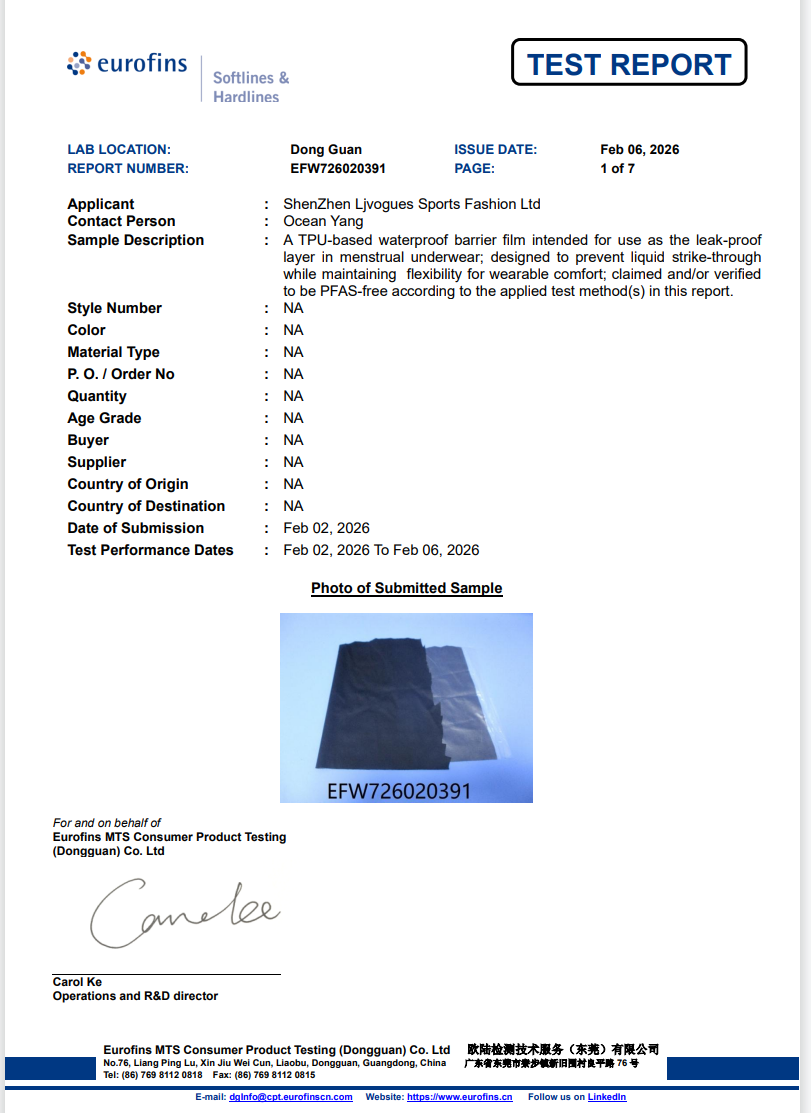
Our OEKO-TEX® STANDARD 100 certification, 100% PFAS-free materials, and third-party tested construction mean you are not just getting a long-lasting product — you are getting one that is safe against your skin throughout its entire lifespan. Learn more about LJVOGUES certifications and technology.
FAQ: How to Wash Period Underwear
Q: How often should I wash period underwear?
A: Wash them after every wear — once for daytime use and once for overnight use. Period underwear is a single-use-per-cycle-day product, just like any underwear. Wearing the same pair for multiple days without washing creates bacterial buildup and odor.
Q: Can I put period underwear in the dryer?
A: We do not recommend it. The heat in a tumble dryer — even on low settings — degrades the TPU waterproof membrane over time, reducing the product's leak protection. Air drying takes longer but extends the life of the underwear significantly. Some brands indicate that low-heat tumble drying is acceptable for their specific products; always check the care label for your particular pair. For LJVOGUES products, air drying is the recommended method.
Q: Why can't I use fabric softener on period underwear?
A: Fabric softener deposits cationic surfactants — waxy chemical compounds — on the surface of fibers. This coating fills the microscopic capillary spaces that allow the moisture-wicking and absorbent layers to function. The result is reduced absorption capacity, a clammy feeling during wear, and a surface that traps odor-causing bacteria rather than releasing them in the wash. Fabric softener damage accumulates over multiple washes and is difficult to fully reverse.
Q: How often should I change period underwear during the day?
A: On light flow days, every 8–12 hours is sufficient. On moderate days, aim for every 6–8 hours. On heavy flow days, change every 4–6 hours, or sooner if you feel dampness or saturation. The New Jersey Department of Health recommends changing every 8–12 hours as a general guideline, and GoodRx experts note that bacteria can build up in menstrual products after extended wear, making regular changes important for hygiene.
Q: How do I get the smell out of period underwear?
A: Soak in cold water with ½ cup of white vinegar for 30–60 minutes before washing. This sanitizes the fiber matrix and neutralizes odor compounds. Alternatively, use 2–3 tablespoons of baking soda in a cold water soak. After soaking, rinse thoroughly and run a standard gentle machine wash cycle. Prevention is more effective than treatment — rinse your underwear within an hour or two of removal and ensure they are fully dry before storing.
Q: How long does period underwear last with proper care?
A: LJVOGUES period underwear is tested for 50+ wash durability. With proper care (cold water, gentle cycle, air drying, no bleach or fabric softener), a quality pair should last 2–4 years. Signs that a pair has reached end-of-life include noticeably reduced absorbency, visible gusset wear, elastic stretch loss, or persistent odor that does not respond to cleaning.
Q: Can I wash period underwear with my regular laundry?
A: Yes, after pre-rinsing. Once you have rinsed the underwear in cold water until it runs mostly clear, there is no hygiene concern with washing them alongside regular clothing. Place them in a mesh laundry bag to protect the gusset layers from abrasion. Use a gentle cold cycle suitable for delicates.
Q: Can period underwear be worn overnight?
A: Yes. Overnight and heavy-flow styles are specifically designed for 8–12 hour overnight wear. They feature extended front-to-back coverage and higher absorbency capacity. Choose a style rated for heavy or overnight flow for the most reliable overnight protection. Change them first thing in the morning and rinse immediately.
LJVOGUES is a premier OEM/ODM manufacturer of period-proof underwear and swimwear, certified to OEKO-TEX® STANDARD 100, ISO 9001, and ISO 14001 standards, with 100% PFAS-free materials across all product lines. Our engineering team has 20 years of experience designing and testing period protection textiles for brands worldwide.
Explore the full LJVOGUES period underwear range at www.ljvogues.com.

Sources:
GoodRx — "Is Period Underwear Safe and Sanitary?" (Feb 2024): https://www.goodrx.com/health-topic/gynecology/period-underwear-safe
MyMatri — "Are Period Panties Safe? Expert Gynecologist Insights" (May 2025): https://mymatri.com/blogs/red-diaries/are-period-panties-safe-insights-from-gynecologists
New Jersey Department of Health — Period Underwear Hygiene and Maintenance: https://www.nj.gov/health/womenshealth/reproductive-health/periods-menstruation/period-products/period-underwear.shtml
Perdième Lingerie — "Deep Cleaning your Menstrual Panties": https://www.perdieme.com/en/blogs/news/deep-cleaning-menstrual-panties-oxygen-bleach
Saalt — "Period Underwear: How to Wash It So It Lasts": https://saalt.com/blogs/news/period-underwear-how-to-wash