



Table of Contents
A Manufacturer's Deep Dive: Which brands truly deliver on sustainability AND leak protection — and what makes their products work at the material level.
Introduction: Not All "Sustainable" Claims Are Equal
For people who menstruate, traditional disposable products come with steep environmental costs: over 12,000 pads per person in a lifetime, most containing up to 90% plastic. Sustainable period underwear has emerged as the most practical, planet-friendly alternative — offering protection without compromising on ethics or comfort.
But not all brands deliver equally. The 2026 market is flooded with "eco-friendly" claims that often don't hold up to scrutiny. When choosing period underwear, two factors stand out above all else: verified sustainability credentials and proven leak-proof performance.
As a manufacturer who produces millions of units for global brands, I have a unique vantage point: I see the lab reports, the fabric compositions, and the engineering behind every claim. This guide highlights the brands that genuinely deliver.

What Makes Period Underwear Truly Sustainable?
Sustainability goes far beyond being "reusable." It encompasses material sourcing, manufacturing processes, chemical safety, packaging, and end-of-life disposal.
Common sustainable materials used include:
Organic Cotton (GOTS Certified): Grown without synthetic pesticides; soft and biodegradable.
TENCEL™ (Lyocell): Made from sustainably harvested wood pulp using a closed-loop process that recycles 99% of water and solvents.
Recycled Polyester/Nylon (GRS Certified): Repurposed from plastic bottles or fishing nets, reducing landfill waste and energy use by up to 50%.
Merino Wool: Naturally antimicrobial and temperature-regulating — the premium tier.
The 2026 Non-Negotiable: PFAS-Free.
In late 2025, New York signed a landmark bill banning PFAS ("forever chemicals"), formaldehyde, and heavy metals from all menstrual products. California's AB 1817 already prohibits intentional PFAS in textiles. Any brand selling in the US market must verify PFAS-free status with third-party lab testing.
Tip: Look for certifications like GOTS, OEKO-TEX® Standard 100, GRS, or B Corp status to verify a brand's claims. A PDF certificate is not enough — ask for the certificate number and verify it on the issuing body's website.

Leak-Proof Testing: How It Actually Works
One of the biggest concerns users have is whether period underwear will actually prevent leaks. Credible leak-proof testing involves both controlled conditions and real-user trials.
Reputable brands conduct multiple forms of validation:
Lab Absorbency Tests: Measuring how many milliliters (ml) of liquid the fabric can hold before saturation.
Dynamic Wear Trials: Testing prototypes during actual periods, tracking performance across flow levels, body movements (walking, sitting, bending), and extended wear (8-12 hours).
Third-Party Certifications: Independent labs like SGS, Intertek, or TÜV SÜD assess moisture management, pH balance, and durability after 50+ wash cycles.
Customer Feedback Loops: Collecting data from thousands of real users to refine fit, absorbency zones, and seam integrity.
Manufacturer's Note: The most critical test that consumers never see is the TPU Membrane Integrity Test. We test every batch of our waterproof barrier (Thermoplastic Polyurethane) for pinhole defects before sewing. A single micro-hole in the membrane means a leak. This is where factory quality control makes or breaks a product.
Top Sustainable Period Underwear Brands with Verified Performance (2026)
The following brands stand out for combining rigorous leak-proof testing with strong environmental commitments:
Brand | Key Materials | Absorbency | Testing Method | Sustainability Credentials |
Organic cotton, TENCEL™, nylon, LeakSafe™ PUL liner | Up to 12 regular tampons (with LeakSafe™ styles) | Dynamic wear testing + third-party fluid retention analysis | Recyclable packaging; factory audits | |
Merino wool, TENCEL™, patented Modifier™ technology | Up to 24ml (Super) | Independent lab tests + global user trial program | B Corp Certified (Score: 97/100); Climate Neutral | |
Recycled nylon, spandex, antimicrobial lining | Up to 8 regular tampons (Super) | Internal stress tests simulating exercise and prolonged wear | 100% recyclable packaging; women's health investments | |
PFAS-free ultra-thin layers | Light to Heavy | Third-party PFAS testing (public report available) | B Corp Certified; donates 2% of revenue to fight period poverty | |
WUKA | GOTS Organic Cotton, Lenzing® Modal | Up to 12 tampons (Ultimate) | ISO-standardized absorbency protocols | Carbon-neutral fabric; fights plastic pollution |

How to Choose the Right Pair: A Step-by-Step Guide
Selecting the best sustainable period underwear requires more than just reading labels:
Determine Your Flow Level: Track your cycle for one month. Match light/medium/heavy days to the brand's absorbency chart (measured in ml or "tampons' worth").
Assess Activity Needs: Active lifestyles need secure leg openings and bonded (seamless) construction. For sleep, opt for higher back coverage and maximum absorbency.
Check Sizing Accuracy: Many brands run small or vary by cut. Consult size guides with hip measurements, not just XS-XL labels.
Verify Chemical Safety: Look for explicit "PFAS-Free" statements with a third-party lab report number. Brands like Saalt and WUKA publish theirs publicly.
Start with One Pair: Buy a single pair first to test comfort and performance before investing in a full set. Most premium brands offer a 30-60 day satisfaction guarantee.
Evaluate Longevity: Quality pairs should last 2-3 years (70+ washes) with proper care. Rotate between 3-5 pairs to extend lifespan.
Common Pitfalls to Avoid
Even well-intentioned shoppers can fall into traps:
Greenwashing: Vague terms like "eco-friendly" or "natural bamboo" without certification. (Note: "Bamboo fabric" is usually chemically processed Rayon unless labeled as Lyocell.)
Hidden PFAS: Some brands use PFAS-based DWR coatings for waterproofing without disclosure. Always demand proof.
Overpromising Absorbency: Claims exceeding 50ml in an ultra-thin design are physically implausible without advanced SAP (Super Absorbent Polymer) technology.
Limited Size Inclusivity: Brands offering only up to XL exclude a huge demographic. Look for ranges up to 4XL-6XL with proportionally widened gussets.
FAQ: Your Questions Answered
Can period underwear really replace pads and tampons completely?
For many users, yes — especially on light to moderate days. On heavy flow days, some prefer backup protection initially. Over time, confidence grows, particularly with high-absorbency models (40ml+).
How do I clean and maintain my period underwear?
Rinse in cold water immediately after use. Machine wash cold (≤30°C) with mild detergent. Do not use bleach, fabric softener, or dryer sheets, as they degrade the TPU membrane. Air dry flat. Replace after 2-3 years or 70+ washes.
Are they more expensive?
Upfront, yes — typically $25-$40 per pair. Over two years, they cost significantly less than disposables. One pair replaces approximately 200+ disposable pads in its lifetime.

The Manufacturing Perspective: What Consumers Don't See
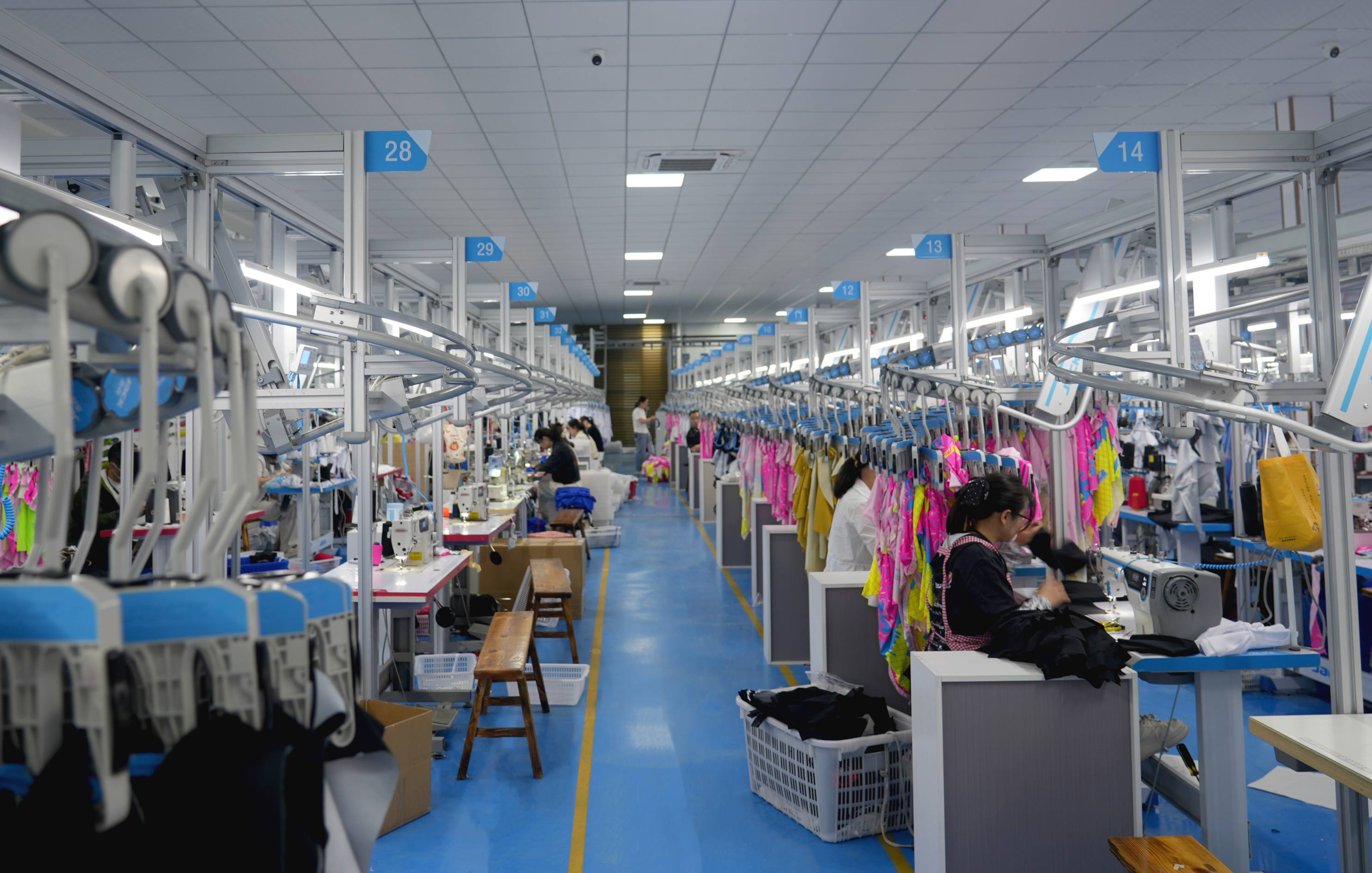
As the CEO of a factory that produces period underwear for global brands, I want to share what happens behind the label:
The TPU Barrier is the single most important component. A high-grade, breathable TPU membrane blocks liquid while allowing vapor to escape. Cheap TPU causes heat buildup, bacterial growth, and odor.
The Absorbent Core must be engineered for the type of fluid (menstrual blood is viscous; urine is watery). Different products require different core architectures.
PFAS-Free Waterproofing is achievable through physical barriers (TPU bonding) rather than chemical sprays. This is why our facility is ISO 9001 & ISO 14001 certified — to guarantee consistent, safe, and environmentally responsible manufacturing.
If you are a brand owner looking to create your own line of sustainable, leak-proof tested period underwear, Ljvogues offers full OEM/ODM services with PFAS-free, OEKO-TEX® certified materials.