



Table of Contents
Congratulations—your pilot launch was a success. You ordered your first 1,500 pieces of period underwear, your marketing resonated with consumers, and you sold out faster than expected. Now, you are facing the most critical transition in your brand’s lifecycle: moving from a boutique trial run to mass production.
For B2B buyers and brand founders, learning how to scale period underwear production is vastly different from scaling standard apparel like t-shirts or leggings. Period underwear is functional, wearable technology. When you increase order volumes from 1,500 to 15,000 or 50,000 units, the risk of manufacturing defects—specifically leaks, sizing inconsistencies, and material failures—multiplies exponentially.
To ensure your brand's growth doesn't outpace your supply chain's capabilities, here is the ultimate growth guide to scaling your leak-proof apparel line safely and profitably.
1. Evaluate Your Period Underwear Manufacturer Capacity
The factory that helped you launch might not be the factory that can help you scale. A small workshop can easily manage a 1,500-piece order with high attention to detail. However, when you drop a 20,000-piece Purchase Order (PO) on them, their systems may break down.
What you need to assess:
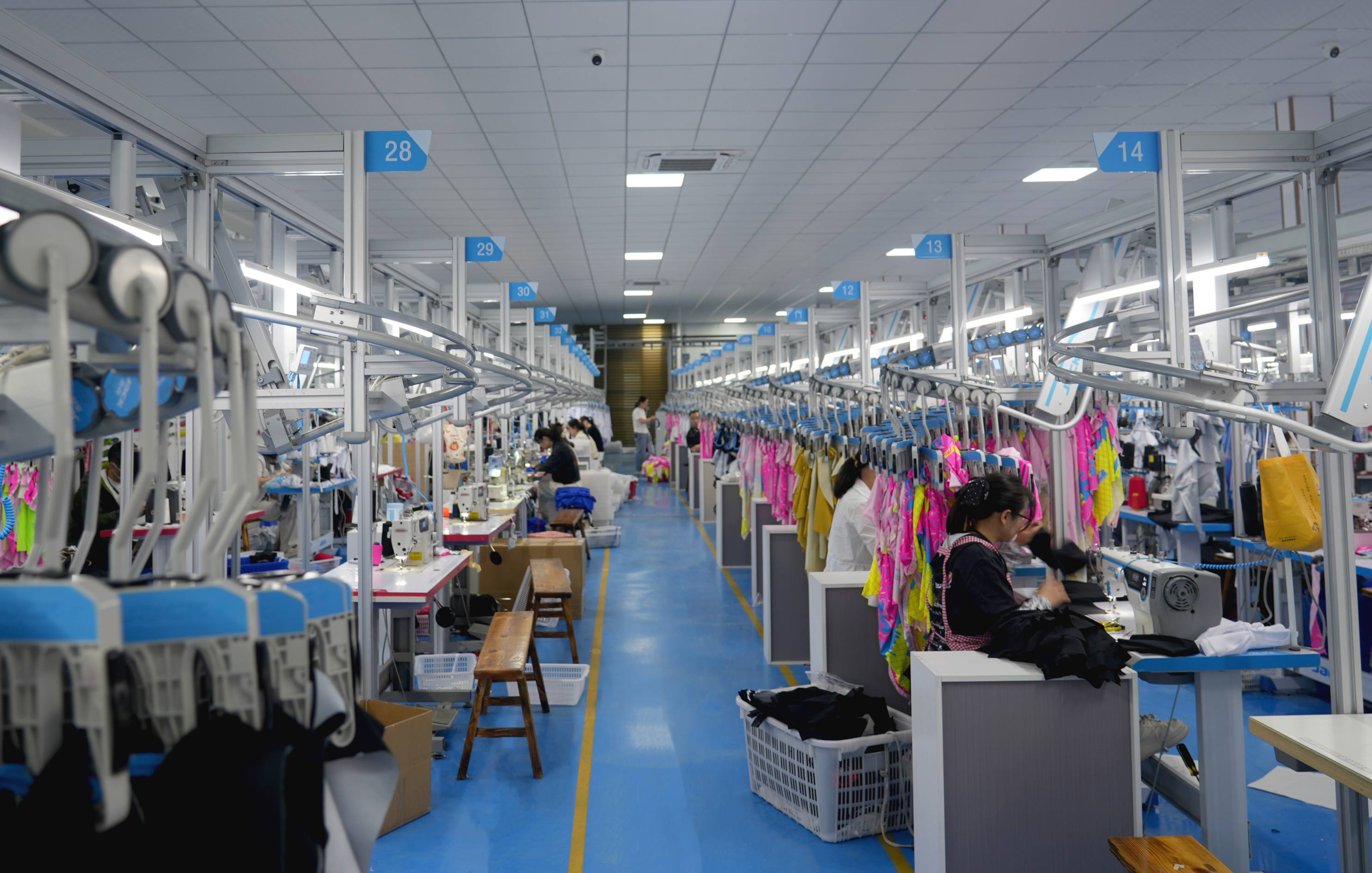
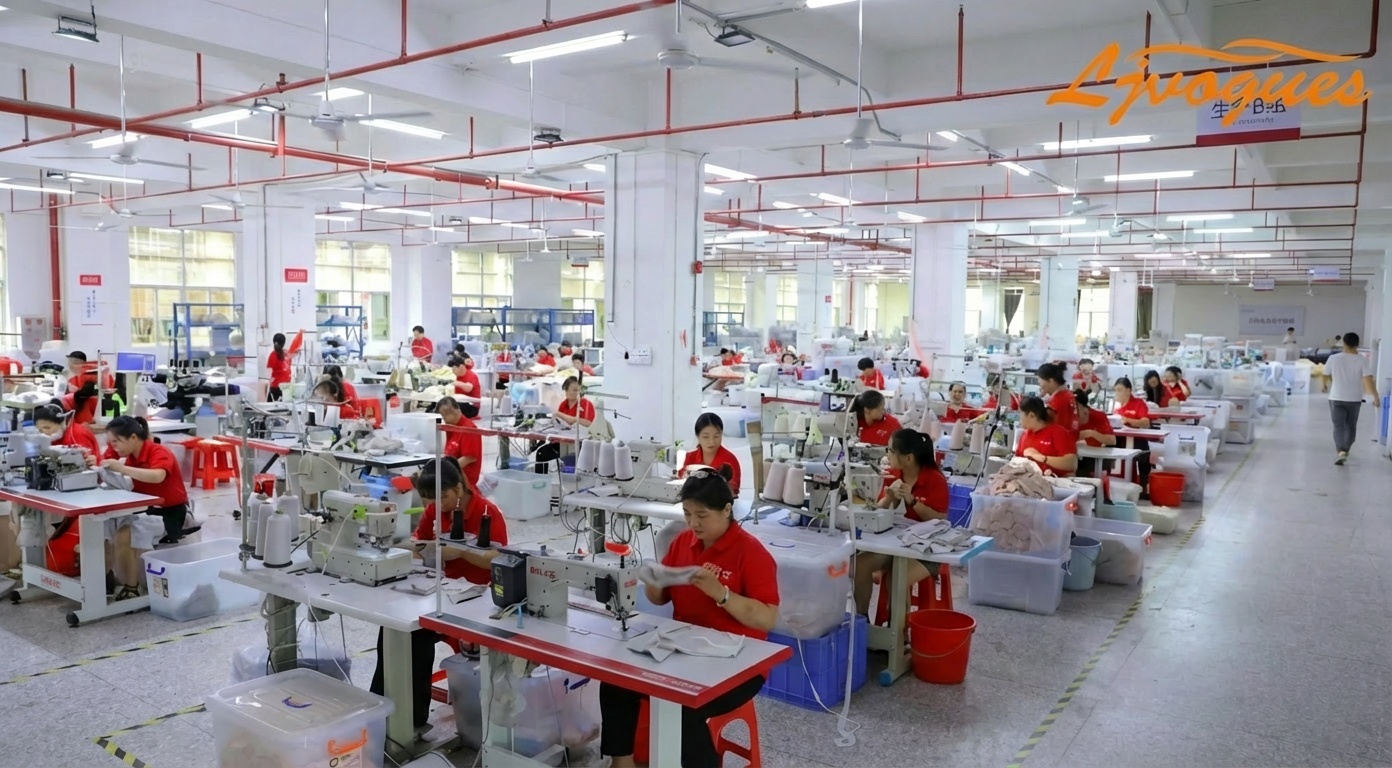
Production Lines and Workforce: Does the factory have dedicated lines for functional underwear? Sewing a 4-layer TPU gusset requires specialized machinery and highly trained operators. If they have to hire temporary, unskilled labor to meet your new volume, your defect rate will skyrocket.
Monthly Output: Ask for their true period underwear manufacturer capacity. A premium, ISO-certified factory should comfortably produce hundreds of thousands of units per month without extending lead times to an unreasonable degree.
Financial Stability: Can the factory afford to front the costs of purchasing raw materials (Nylon, TPU, absorbent cores) in massive bulk for your order?
-
2. Lock In Your "Golden Sample" and Tech Packs
When you scale, you cannot rely on verbal agreements or loose interpretations of your design. Consistency is the foundation of mass production.
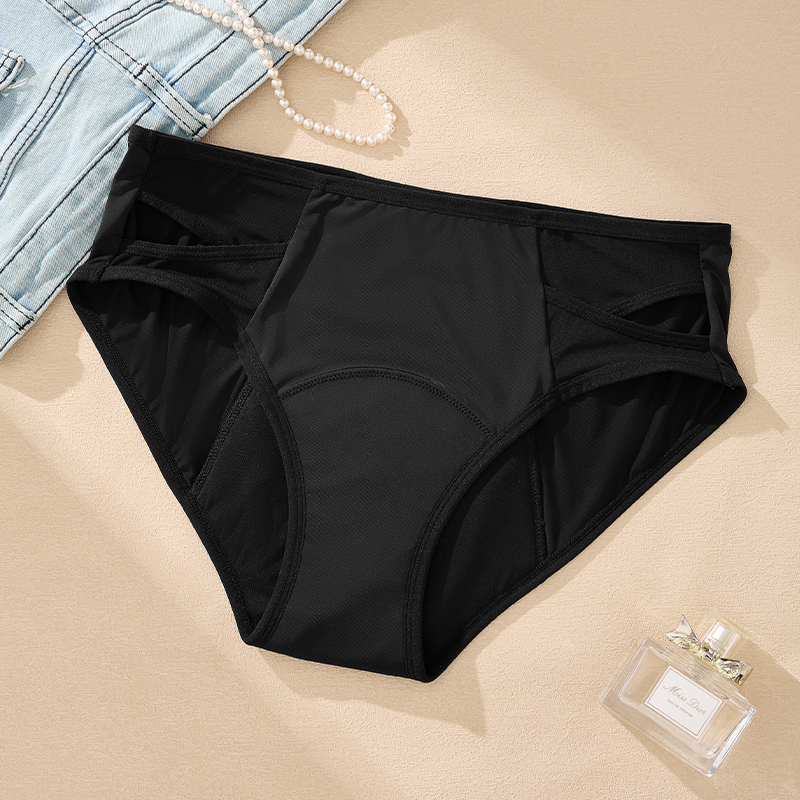
The Golden Sample: Before scaling, you must have a perfectly approved, physical "Golden Sample" for every size and colorway. This sample must be signed and dated by both you and the factory manager. It becomes the absolute standard against which all bulk production is judged.
Bulletproof Tech Packs: Update your tech packs to remove any ambiguity. Specify the exact fabric composition (e.g., 75% Nylon / 25% Spandex), the exact GSM (grams per square meter) of the absorbent core, the specific PFAS-free TPU lamination method, and the precise stitching techniques (like fold-over elastic binding) required to prevent needle-hole leaks.
3. Master Material Forecasting and Supply Chain Lead Times
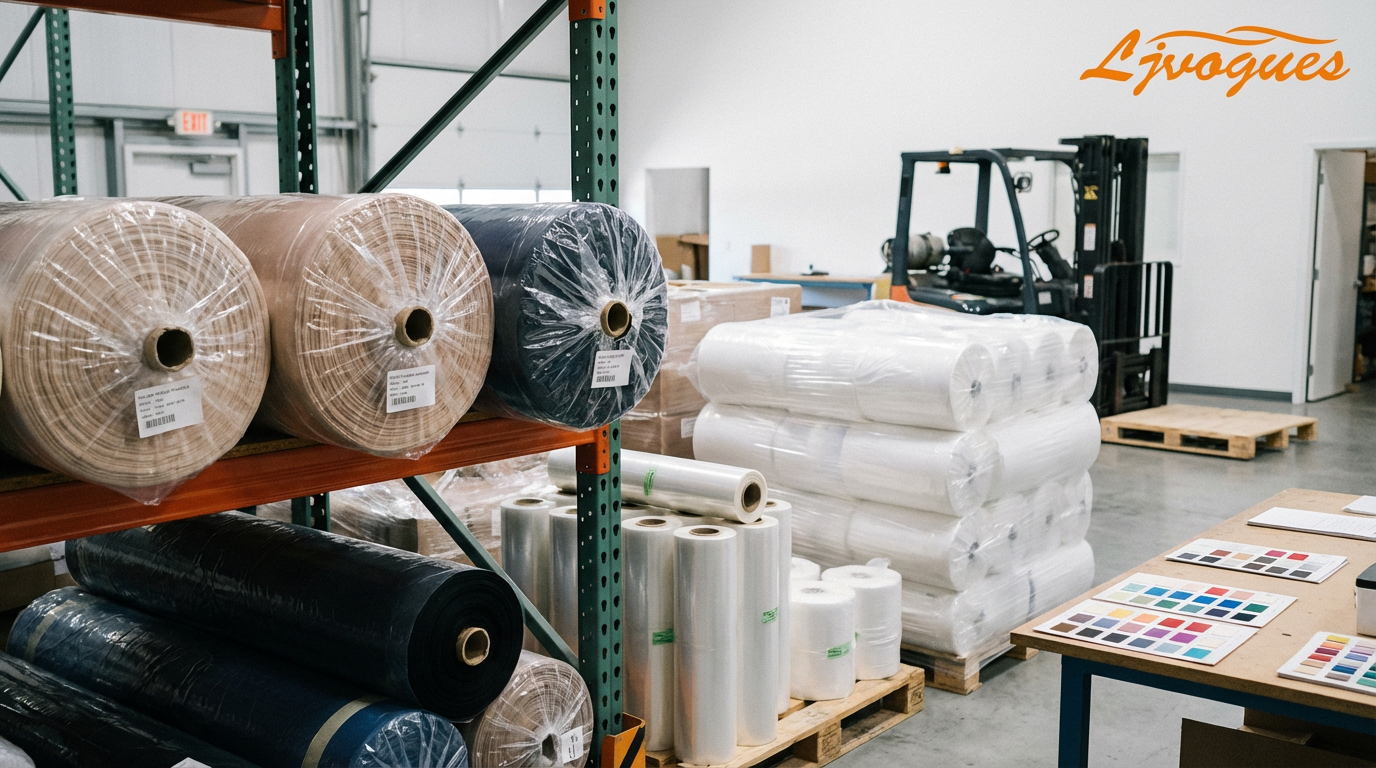
The biggest bottleneck when you scale period underwear production is not the sewing—it is the raw materials. Premium period underwear requires highly specialized textiles that are not always kept in stock.
Custom Fabric Dyeing: If your brand uses custom Pantone colors, the fabric mill will need time to dye and finish the Nylon/Spandex and the inner cotton layers. This alone can add 3 to 4 weeks to your lead time.
TPU and Absorbent Cores: Sourcing certified OEKO-TEX® and PFAS-free TPU, along with high-retention microfiber cores in bulk, requires significant lead time.
The Solution: Work with your manufacturer to forecast your inventory needs 6 to 9 months in advance. As you scale, you should consider paying your factory to pre-order and hold raw materials (greige fabric or dyed rolls) on standby. This drastically reduces your production turnaround time when you issue a new PO.
-
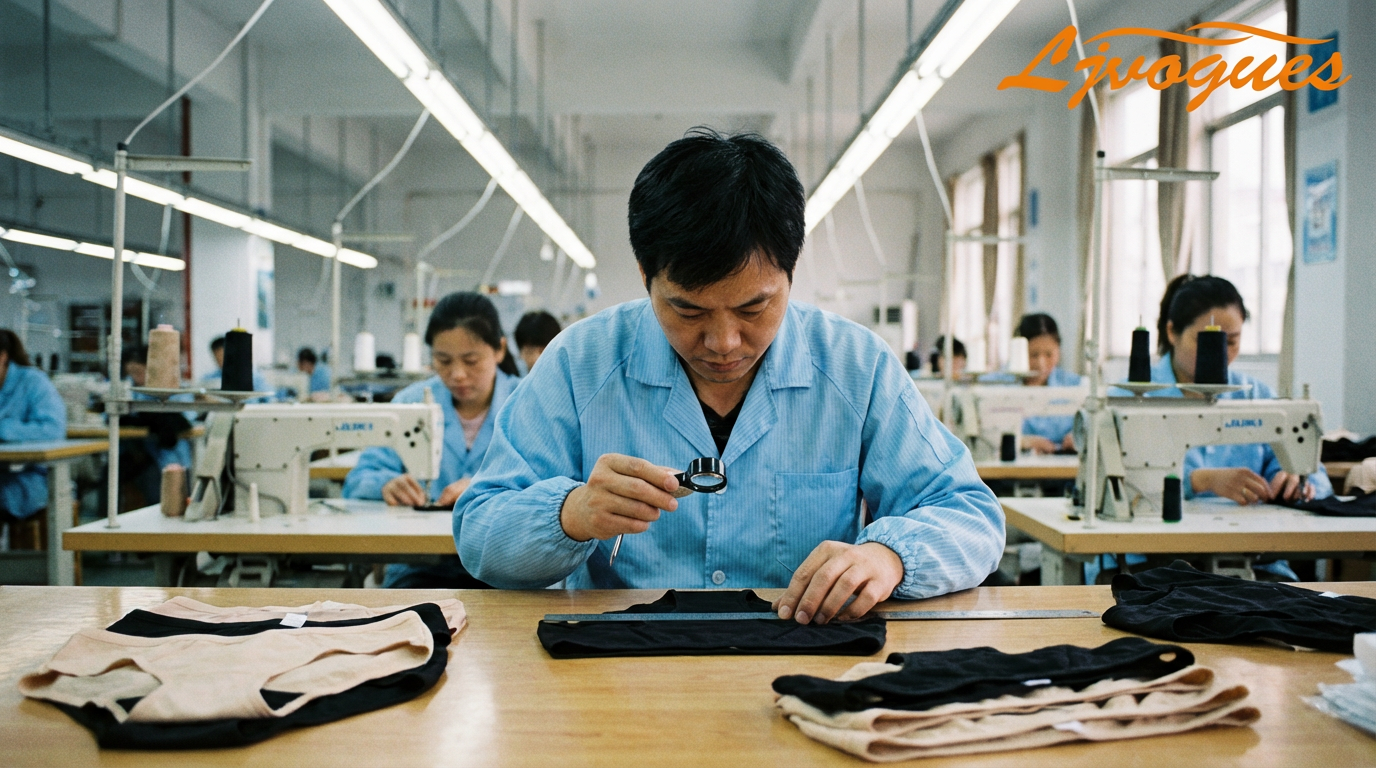
4. Implement Rigorous, Scalable Quality Control (QC)
When producing 1,500 units, a 2% defect rate means 30 faulty pairs. When producing 50,000 units, a 2% defect rate means 1,000 angry customers experiencing leaks. You must institutionalize your QC process.
In-Line Inspections (DUPRO): Do not wait until the order is finished to check the quality. Mandate that your factory (or a third-party inspector) checks the goods when 15% to 20% of the production is completed. This catches systemic sewing errors—like incorrect tension causing the gusset to pucker—before the entire batch is ruined.
Strict AQL Standards: Define your Acceptable Quality Limit (AQL). While general workmanship may follow AQL 2.5 standards, for period underwear, a leak is a critical defect (AQL 0.0). Ensure your factory understands that any failure in the waterproof barrier will result in a rejected batch.
-
5. Leverage Volume for Better Pricing and Terms
Scaling gives you leverage. As your order volumes increase, your manufacturing costs should decrease.
Economies of Scale: Larger orders allow the factory to buy fabric directly from the mills at a lower cost and optimize their assembly lines. Negotiate tiered pricing (e.g., pricing for 5k, 10k, and 20k units) upfront.
Payment Terms: While small orders usually require a 30% deposit and 70% before shipment, scaling brands can often negotiate better cash flow terms (like Net 30 or Net 60) with established, financially secure manufacturing partners.
Conclusion: Partner with a Factory Built for Growth
Scaling your period underwear brand is an exciting milestone, but it requires a supply chain that is as robust as your marketing strategy. If your current manufacturer cannot guarantee consistent quality, strict QC, and reliable lead times at high volumes, it is time to upgrade your partner.
Ready to scale your production without sacrificing quality?
Shenzhen Ljvogues is an ISO 9001 certified manufacturer with massive period underwear manufacturer capacity. We specialize in scaling premium, PFAS-free leak-proof apparel for global brands. With dedicated production lines, rigorous 10-point in-house QC, and fully integrated supply chain management, our flexible manufacturing systems adapt seamlessly from validation phases (500 units) to multi-line scale phases (10,000+ units).
Contact our B2B team today to discuss your scaling strategy and secure your production timeline.