


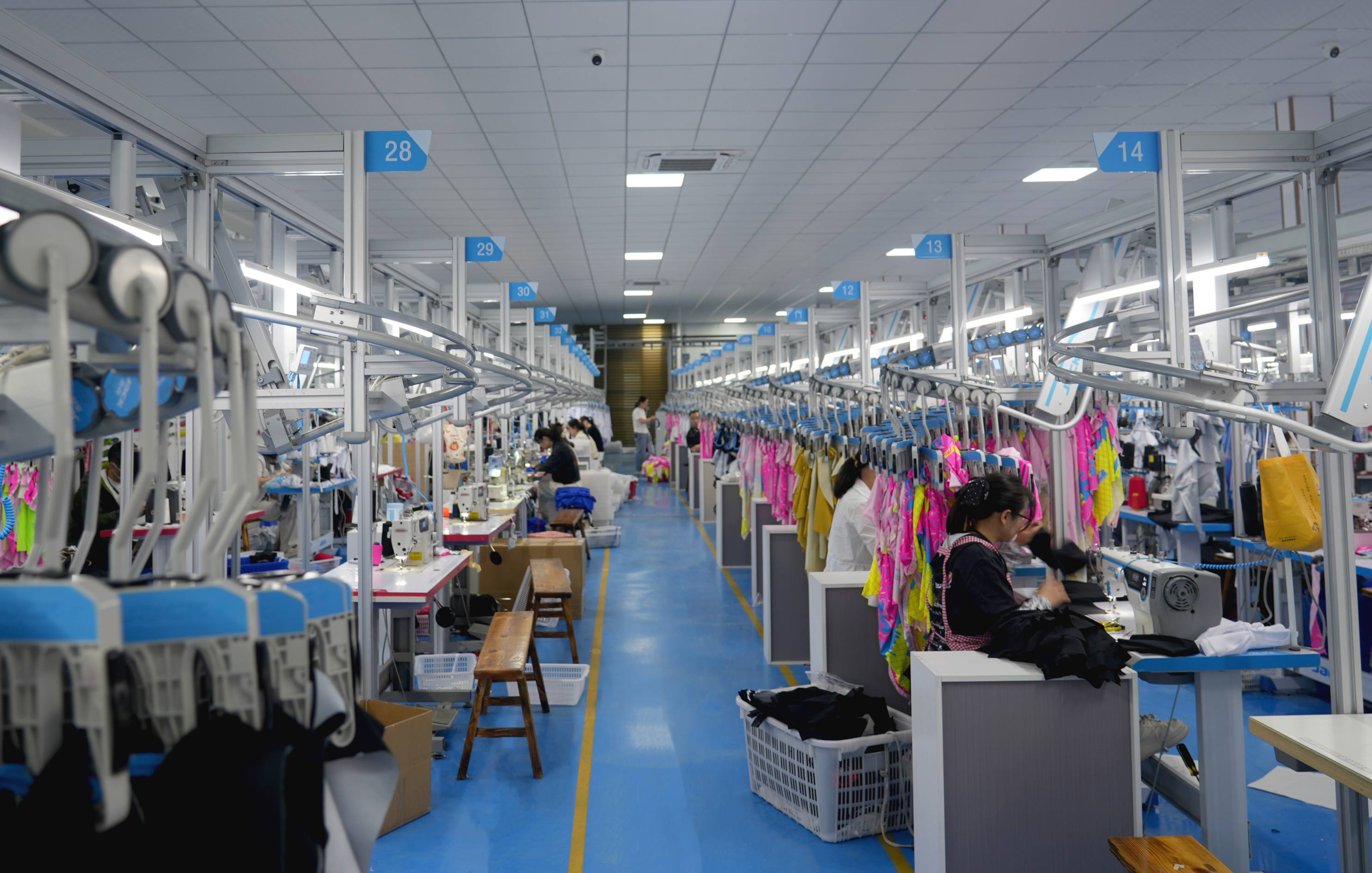

Table of Contents
A B2B Strategic Blueprint: How to capture market share, navigate new PFAS regulations, and build high-converting sales channels.
Introduction: The Shift to Mass Market
The era of disposable feminine hygiene is shifting permanently. What began as a niche, eco-conscious alternative has rapidly transformed into a mass-market consumer staple.
Industry data projects the global market for women's leak-proof underwear to continue its explosive growth, with recent analyses indicating a Compound Annual Growth Rate (CAGR) of over 21% in the U.S. market through 2033.
For brand owners, the question is no longer if you should enter the women's leak-proof underwear market, but how to capture market share effectively. At Ljvogues, we manufacture millions of units for top global brands, giving us a frontline view of what sells and where.
Here is your strategic blueprint for maximizing sales in 2026, from identifying hot markets to executing high-converting retail strategies.
1. Global Hot Markets: Localization is Key
A successful product in one region might fall flat in another. Understanding regional consumer psychology and legal requirements is critical.

North America: The "Compliance First" Market
This market is highly mature but fiercely competitive.
The 2026 Reality: In late 2025, New York signed the nation's most stringent bill banning not just PFAS, but also formaldehyde, heavy metals, and parabens in menstrual products. You cannot sell here without strict third-party lab testing.
The Opportunity: North America leads the demand for body positivity. Brands that offer True Plus-Size options (up to 4XL or 5XL) with consistent performance are capturing immense brand loyalty.
Europe: The "Eco-Purist" Market
European consumers prioritize verifiable sustainability over flashy marketing.
The Demand: They require stringent third-party certifications such as GOTS (Global Organic Textile Standard) and OEKO-TEX®.
The Aesthetic: The market heavily favors minimalist designs, neutral color palettes, and 100% plastic-free, compostable packaging.
Asia-Pacific (APAC): The "Blue Ocean"
The APAC region represents the largest untapped growth potential.
The Strategy: While historically reliant on disposable pads, younger demographics are rapidly adopting reusable period products. Education-led marketing works best here, focusing on long-term cost savings, breathability in hot climates, and superior comfort.
2. Deploying High-Conversion Sales Channels
Where you sell dictates how you should position your brand and structure your supply chain. E-commerce remains the fastest-growing sector.

DTC (Direct-to-Consumer) Independent Sites: This is the most powerful channel for building a brand story. It is ideal for startups focusing on eco-friendliness and community building. DTC allows for higher margins but requires significant investment in digital marketing (TikTok/Meta ads).
E-commerce Platforms (Amazon): Selling here relies on search traffic and competitive pricing. To win, you need a highly optimized listing and a highly competitive supply chain that can deliver premium quality at a cost that allows for aggressive pricing strategies.
Offline Channels (Pharmacies & Boutiques): Do not underestimate brick-and-mortar. Pharmacies are the ultimate high-trust touchpoints for incontinence underwear, while eco-boutiques are perfect for showcasing the tactile quality of high-end period underwear.
3. The "Sales Calendar": Planning Your Retail Promotions
A successful retail sale requires months of planning. Here is how smart brands structure their promotional calendars to maximize Average Order Value (AOV):

Q1: International Women's Day (March): The perfect time for empowerment campaigns and launching new, vibrant spring colors.
Q2: Earth Day (April): The most critical marketing window. Highlight the environmental impact of switching from disposables. This is when you promote your GRS (Recycled) or Organic lines.
Q3: Back-to-School (August): A massive driver for Teen-focused period underwear lines. Market heavily to parents looking to buy "First Period Kits."
Q4: Black Friday/Cyber Monday: Focus on Volume.
The Golden Strategy: Bundle Sales. Never sell just one pair. The most successful brands utilize bundle strategies (e.g., "Full Cycle Set": 2 Light, 3 Medium, 2 Heavy nights). This solves the customer's entire problem in one click while moving more inventory.
4. The Backbone of Sales: A Stable Supply Chain
A brilliant marketing campaign and a perfectly timed sale mean nothing if you run out of stock on day two.
Peak sale seasons rigorously test the stability and lead times of your supply chain. Stockouts not only kill immediate revenue but also damage your algorithm ranking on platforms like Amazon and frustrate newly acquired DTC customers.
At Ljvogues, we act as the silent engine behind your brand's growth. We provide:
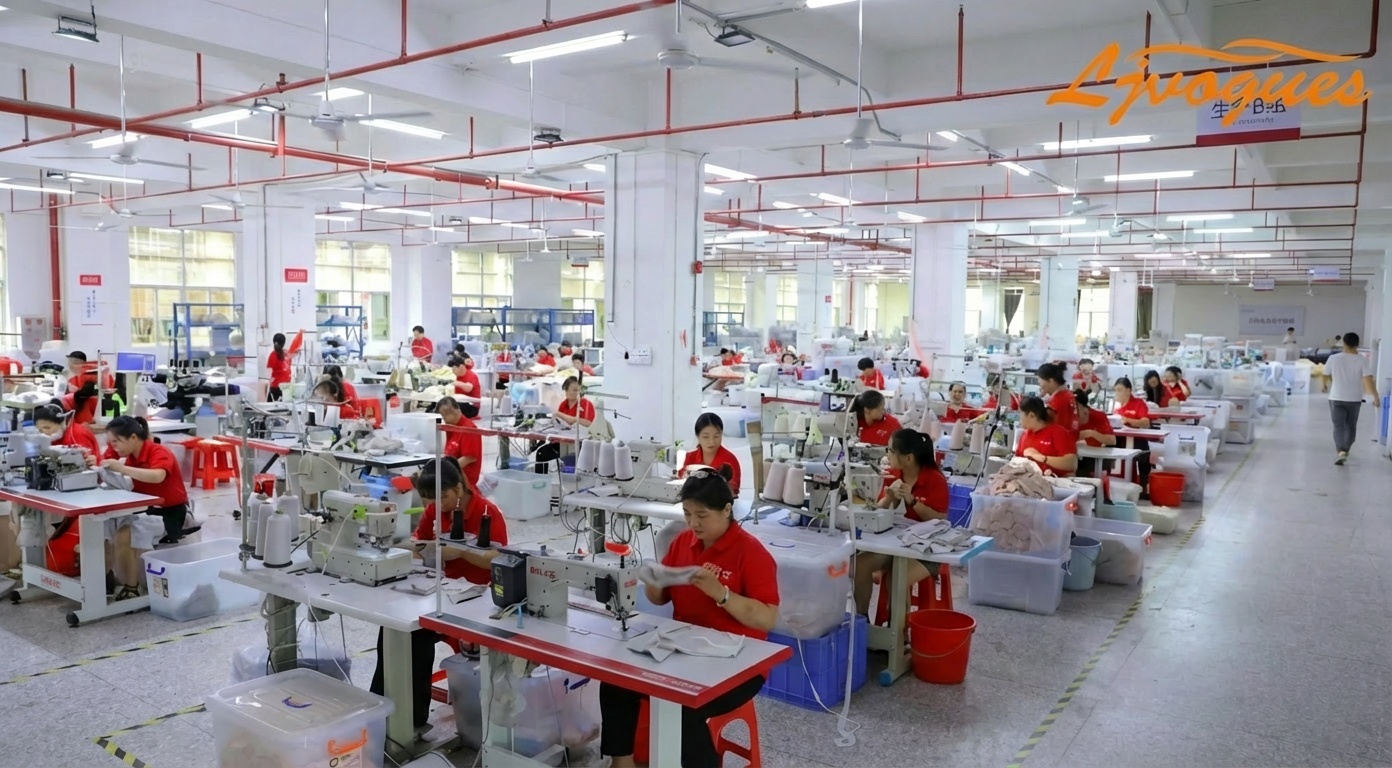
Scalable Manufacturing Capacity
PFAS-Free and OEKO-TEX® Certified Materials
Flexible Restocking Mechanisms designed to keep your inventory flowing smoothly, even during unexpected viral sales spikes.
Conclusion: Ready to Scale in 2026?
Success in the leak-proof apparel market requires a partner who understands both textile engineering and retail dynamics.
Contact Ljvogues today to speak with our business managers. Let's discuss your quarterly purchasing plans, optimize your stocking strategy, and ensure your brand is ready to dominate the market in 2026.
About the Author
Ocean Yang
CEO & Founder, Ljvogues
Ocean Yang is the CEO of Ljvogues, a leading OEM/ODM manufacturer in Shenzhen. With a deep understanding of global trade, compliance laws, and supply chain logistics, Ocean partners with international brands to scale their operations profitably and safely.