



Table of Contents
When emerging brands and B2B buyers enter the reusable menstrual care market, the first question they usually ask is: "How much does it cost to manufacture period underwear?"
It is a crucial question, but the answer is rarely a simple flat rate. Unlike standard cotton panties, which can be produced for a few dollars, period underwear is a highly engineered piece of wearable technology. The cost reflects a complex supply chain of specialized textiles, advanced construction techniques, and rigorous safety testing.
If you are building a financial model for your new brand, understanding the nuances of period underwear manufacturing cost is essential to setting profitable retail prices. In this cost guide, we will break down exactly what you are paying for and how period underwear OEM pricing is calculated.
1. The Material Breakdown: Where the Money Goes
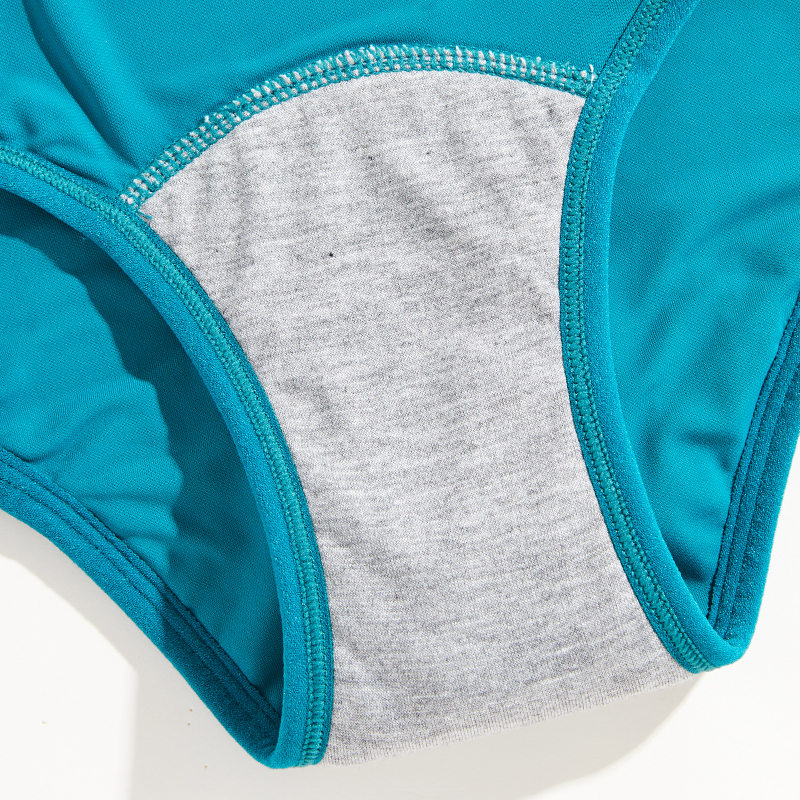
The largest portion of your period underwear manufacturing cost comes directly from the materials. A premium pair of period underwear consists of at least three to four distinct layers in the gusset alone, plus the main body fabric.
The Main Body Fabric (20% - 30% of cost): High-quality, high-recovery blends like Nylon/Spandex or eco-friendly options like organic cotton and bamboo viscose are more expensive than standard synthetics. The higher the Spandex content (for better stretch and recovery), the higher the cost.
The Absorbent Core (20% - 30% of material cost): This is the engine of the underwear. Premium brands use high-density, low-profile microfiber or specialized cotton terry that can absorb multiple tampons' worth of fluid without feeling bulky. Moving from "Light" to "Super/Overnight" absorbency can increase the core cost by 30-40%.
The TPU Leak-Proof Layer (15% - 25% of material cost): The waterproof barrier must be breathable and, most importantly, 100% PFAS-free. Premium medical-grade TPU (Thermoplastic Polyurethane) lamination costs significantly more (+15-25%) than cheap, non-breathable standard PUL linings.
Antimicrobial and Wicking Treatments: The top layer touching the skin requires specialized treatments to wick moisture instantly and neutralize odor-causing bacteria.
2. Labor and Engineering: The Cost of Complexity
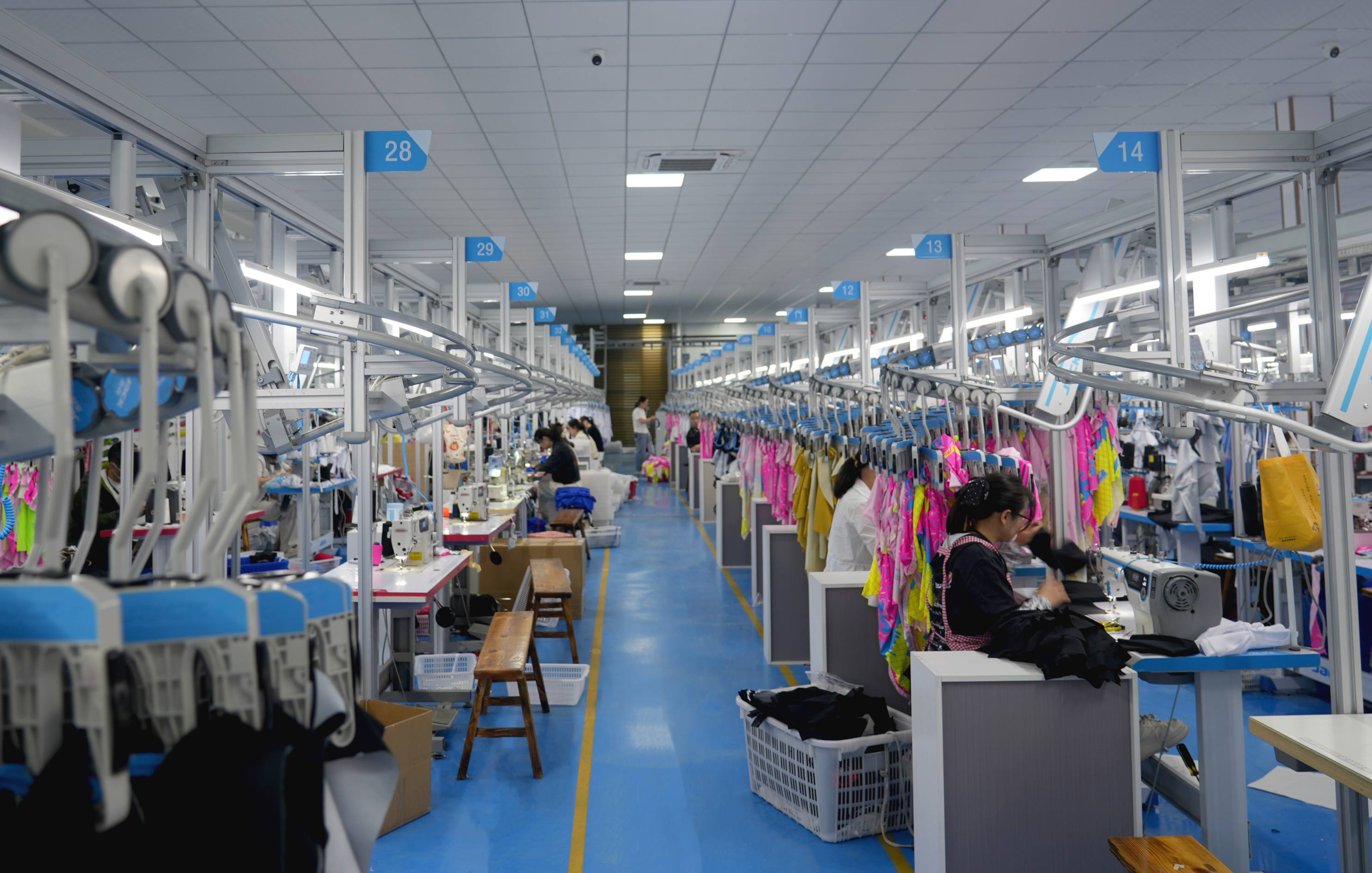
Sewing period underwear is a highly technical process. Manufacturing costs vary significantly based on design complexity —a standard underwear factory cannot simply stitch four layers of fabric together and call it a day.
Precision Sewing: If the needle tension is slightly off, the gusset will pucker. If the seams are not perfectly aligned, the product will leak. This requires skilled operators and slower sewing speeds, which increases labor costs.
Leak-Proof Finishing: To prevent fluid from wicking through the needle holes in the TPU layer, premium manufacturers use advanced techniques like fold-over elastic binding, hot-melt adhesive dispensing, and high-temperature hot-press lamination. These seamless, bonded constructions provide a flatter, more secure structure but can increase assembly costs by 30-50% compared to basic stitching.
-
3. Understanding Period Underwear OEM Pricing Models
When you request a quote from a manufacturer, the period underwear OEM pricing will fluctuate based on several key variables:
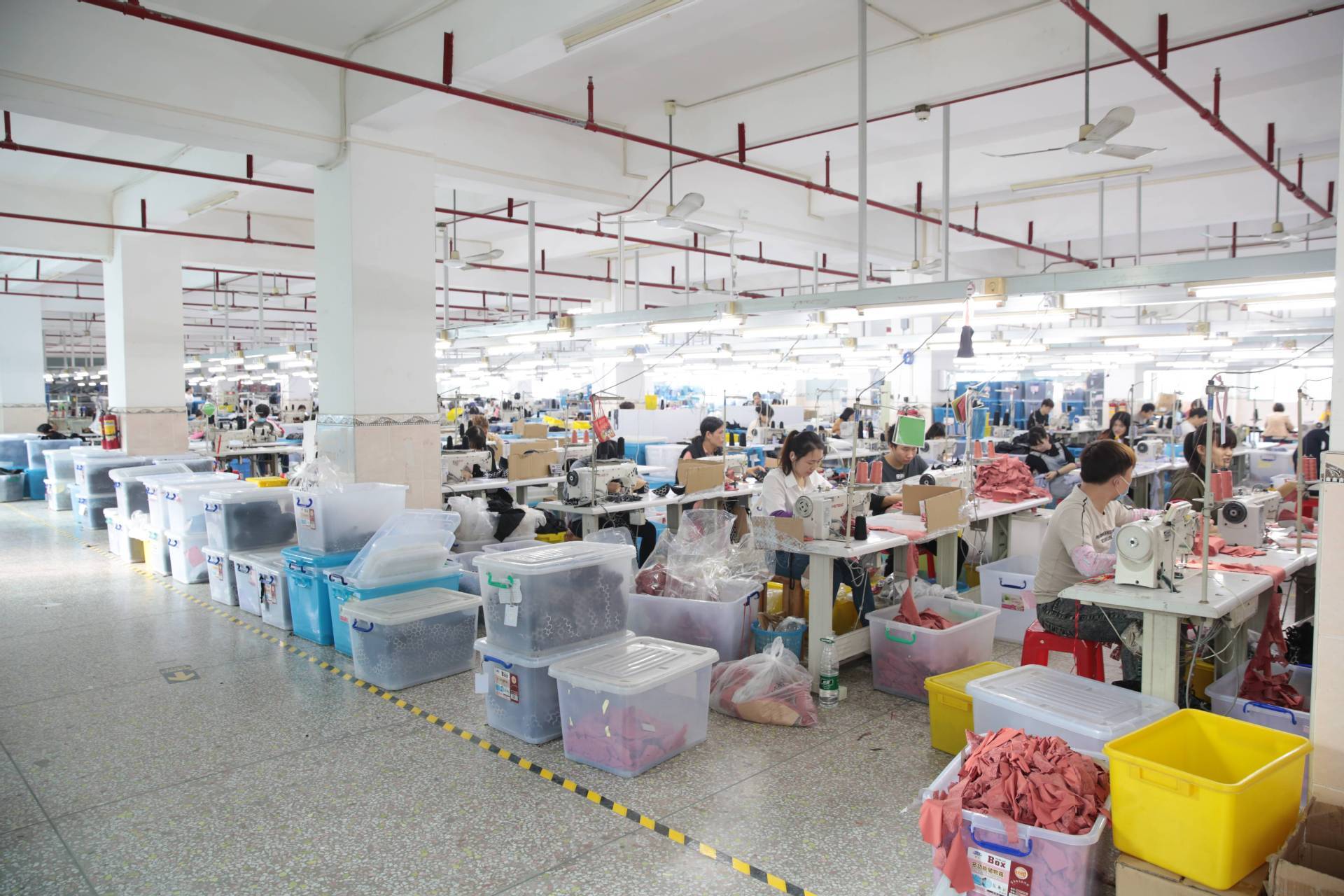
Minimum Order Quantities (MOQs): This is the biggest lever in pricing. High volumes allow the factory to buy fabric in bulk directly from mills and optimize the assembly line. We typically operate on the principle that "bigger quantity equals cheaper price".
Customization Level (OEM vs. ODM):
ODM (White-Label): Choosing a pre-engineered, ready-to-brand style from the factory's catalog is the most cost-effective route with minimal cost impact. There are no pattern-making fees or R&D costs.
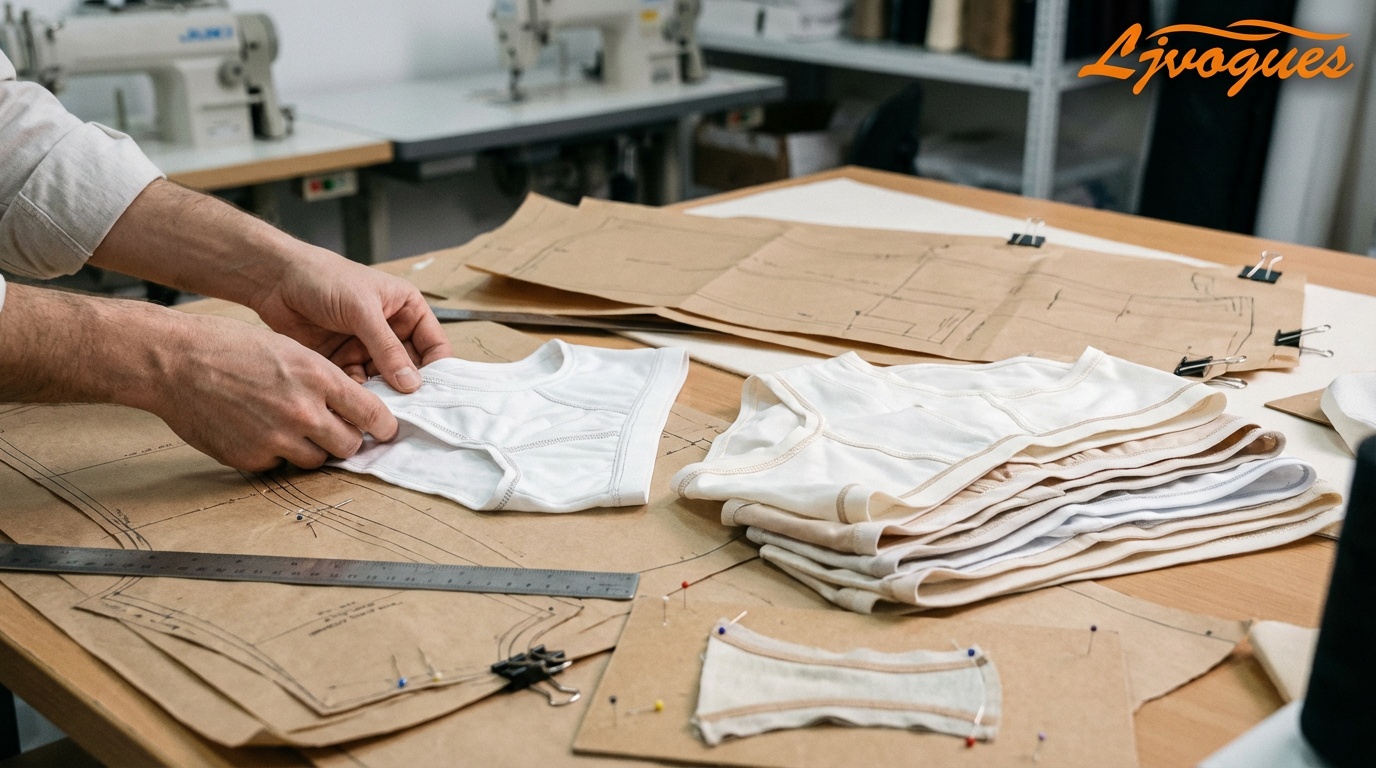
OEM (Custom Design): If you want custom dyed colors, unique prints, custom materials, or complex bespoke constructions, you will incur higher costs (+10-40%) for pattern grading and custom sourcing.
4. Hidden Costs You Must Budget For
Do not let the raw unit price fool you. A comprehensive budget must account for the hidden costs of bringing a safe, premium product to market:
Certifications and Testing: Consumers demand safety. Ensuring your materials are OEKO-TEX® Standard 100 certified, FDA approved, and conducting third-party lab tests for PFAS-free verification will add to your initial investment.
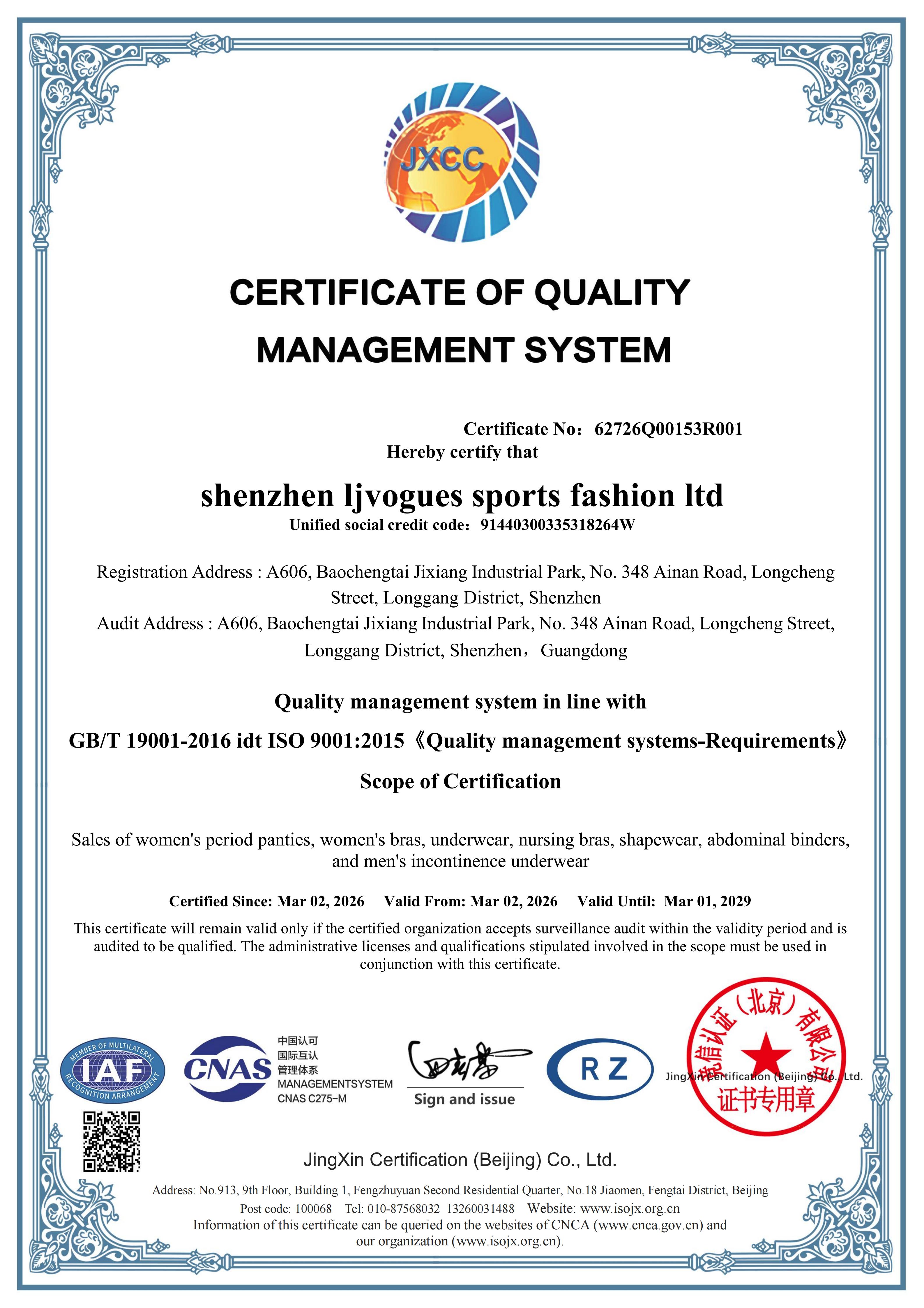
Quality Control & Inspections: Relying on rigorous 10-point internal QC systems (like the one we use at Ljvogues) or hiring independent QC agencies prevents catastrophic defect rates.
Packaging: Custom retail packaging (like recycled paper boxes or biodegradable polybags) will add to the final unit cost.
The Bottom Line: Value Over the Lowest Price
While it is tempting to hunt for the absolute lowest period underwear manufacturing cost, doing so usually means compromising on material safety (risking PFAS exposure), breathability, or leak-proof integrity. In the functional apparel market, a cheap product that leaks will destroy your brand faster than a high price point.
Partnering with an expert manufacturer might seem more expensive initially, but value engineering and rigorous testing can reduce your sampling expenses by 25-40% and lower return rates driven by defects by up to 60%. Expect to pay a premium for a product that actually works, and build your retail margins accordingly.
Ready to price out your next collection?
At Ljvogues, we offer transparent, highly competitive period underwear OEM pricing without ever compromising on safety or performance. As a certified manufacturer with over a decade of expertise, we help brands optimize their designs for cost-effective mass production. Contact our B2B team today for a detailed quote, MOQ breakdown, and value engineering analysis.