



Table of Contents
Introduction: Why I Wrote This Guide
Every month, millions of people trust period underwear to keep them protected during their menstrual cycle. But most have no idea what's actually happening inside those slim, comfortable garments. When I started manufacturing period underwear eight years ago, I asked myself the same question: how does this fabric actually hold menstrual fluid?
At Ljvogues, we've spent years perfecting our period underwear technology. We've worked with dozens of brands—from emerging DTC startups to established retailers—and helped them understand the science behind absorbent fabrics. Today, I want to share what we've learned about period underwear technology, so you can make informed decisions whether you're a consumer choosing protection or a brand sourcing products.
The truth is, period underwear technology isn't magic. It's a carefully engineered combination of fabric layers, each designed to perform a specific function. Understanding these layers will change how you think about menstrual protection forever.

Leak-proof underwear with multi-layer structure
Understanding the Layer System in Period Underwear
Period underwear technology relies on a multi-layer system, with most products featuring between three and seven distinct layers. At Ljvogues, our standard period underwear includes five layers, each engineered for maximum protection and comfort.
The Top Layer: Moisture-Wicking Fabric
The first layer in contact with skin is called the "stay-dry layer." This fabric is designed to pull moisture away from the skin's surface, creating a comfortable feeling even during heavy flow. Most manufacturers, including Ljvogues, use microfiber polyester or modal blends for this layer.
The key property here is "capillary action"—the same principle that allows plants to draw water upward through their stems. The tiny spaces between synthetic fibers create channels that pull liquid away from the skin. This is the foundation of all period underwear technology.
Quality stay-dry layers should feel smooth and comfortable against sensitive skin. At Ljvogues, we source OEKO-TEX certified fabrics for this layer, ensuring no harmful chemicals reach the wearer's skin. Many budget period underwear brands cut costs here, using lower-quality fabrics that can feel rough or cause irritation.
The Absorbent Core: Where the Science Happens
The middle layers constitute the absorbent core, and this is where most of the "magic" happens in period underwear technology. Depending on the product, this core might include:
Cotton or bamboo fiber layers: Natural materials that absorb and retain moisture
Microfiber padding: Highly absorbent synthetic materials that can hold multiple times their weight in fluid
Hemp layers: Natural antibacterial properties combined with good absorption
Zinc-infused fabrics: Adding odor control and antimicrobial benefits
At Ljvogues, we use a proprietary blend in our absorbent core that combines organic cotton with high-performance microfiber. This combination allows our absorbent underwear to handle everything from light spotting to heavy overnight flow. We've tested our fabrics to absorb up to 30ml of fluid—the equivalent of about four regular tampons. This advanced absorbent fabric technology is the result of years of research and development.
The density and arrangement of these fibers determine how much fluid the underwear can hold and how quickly it absorbs. Higher-quality period underwear technology uses compressed fiber layers that maximize absorption without adding bulk.
The Bottom Layer: Leak-Proof Barrier
The final layer in period underwear is the leak-proof barrier, typically made from polyurethane laminate (PUL) or similar waterproof materials. This layer prevents any absorbed fluid from leaking through to outer clothing.
Modern PUL fabrics are surprisingly thin and breathable—far cry from the stiff, uncomfortable waterproof materials of decades past. At Ljvogues, we've sourced breathable PUL fabrics that allow air circulation while maintaining complete leak protection. This breathability is essential for comfort during extended wear, especially when wearing absorbent underwear for extended periods.
Some manufacturers use TPU (thermoplastic polyurethane) films instead of PUL, which offer similar waterproofing with slightly different feel properties. Both materials are safe, effective, and widely used in quality period underwear technology.

Leak-proof underwear with multi-layer structure
Types of Absorbent Fabrics Used in Period Underwear
Not all absorbent fabrics are created equal. The type of fabric used significantly impacts how well period underwear performs. Here's what you need to know about the main options available:
Organic Cotton
Organic cotton is a popular choice for the absorbent core because it's naturally soft, breathable, and absorbent. For period underwear technology, organic cotton typically absorbs about 25-30 times its weight in water. We use GOTS-certified organic cotton in our premium product lines.
At Ljvogues, we use GOTS-certified organic cotton in our premium product lines. The certification ensures the cotton was grown without harmful pesticides and processed without toxic chemicals. Brands targeting environmentally conscious consumers often prefer organic cotton for this reason.
However, organic cotton has some limitations. It takes longer to dry than synthetic alternatives, and it may compress over time with repeated washing. The lifespan of cotton-based period underwear is typically 2-3 years with proper care.
Bamboo Fiber
Bamboo is another natural material gaining popularity in period underwear technology. Bamboo fiber is naturally antibacterial and extremely soft, making it comfortable for all-day wear. It also wicks moisture effectively.
Bamboo-based period underwear tends to be more expensive due to the more complex processing required to turn bamboo pulp into wearable fiber. At Ljvogues, we offer bamboo-blend options for brands seeking natural alternatives.
The antibacterial properties of bamboo are particularly valuable for managing odor during menstruation. This makes bamboo an excellent choice for heavy-flow period underwear where odor management is a concern.

Leak-proof underwear made of bamboo fiber
Microfiber and Synthetic Blends
High-performance microfiber is perhaps the most efficient absorbent material used in period underwear technology. Microfiber can absorb up to 20 times its weight in fluid while drying much faster than natural materials.
Many premium period underwear brands, including Ljvogues, use microfiber in combination with natural materials. This hybrid approach gives you the best of both worlds: the comfort and sustainability of natural fibers with the performance of synthetic materials.
Synthetic blends also tend to maintain their absorbency longer through repeated wash cycles. If longevity is a priority, look for period underwear with a significant microfiber content in the absorbent core.
Modal and Tencel
Modal, made from beech tree pulp, and Tencel (lyocell), made from eucalyptus wood pulp, are semi-synthetic materials that offer excellent softness and moisture management. These materials are more sustainable than purely synthetic options while performing closer to synthetic fabrics than natural cotton.
For brands positioning themselves in the premium segment, modal and Tencel offer a luxury feel that appeals to consumers willing to pay more for comfort. Ljvogues has developed modal-blend period underwear technology specifically for our high-end product lines.

Leak-proof underwear made of Tencel Modal material
How Absorbency Levels Work in Period Underwear
One of the most common questions we receive at Ljvogues is about absorbency: how much can period underwear actually hold? Understanding absorbency levels helps consumers choose the right protection and helps brands communicate product capabilities accurately. When comparing period underwear technology across brands, absorbency ratings are often the most discussed topic.
Absorbency Measurement Standards
Unlike tampons and pads, which have standardized absorbency ratings, period underwear technology doesn't have universal measurement standards. At Ljvogues, we test our products using a standardized fluid absorption test, measuring how much synthetic menstrual fluid each garment can hold before reaching saturation.
Our testing reveals the following absorbency levels:
Product Type | Absorption Capacity |
Light flow | 10-15ml (1-2 tampons) |
Moderate flow | 15-20ml (2-3 tampons) |
Heavy flow | 20-30ml (3-4 tampons) |
Overnight/Heavy | 30-40ml (4-5 tampons) |
These numbers are averages based on standardized testing. Actual performance may vary depending on factors like fabric composition, garment fit, and individual physiology.
Choosing the Right Absorbency
For brands working with Ljvogues to develop period underwear collections, we recommend offering multiple absorbency levels to address different consumer needs. A complete line might include:
Light days (end of period, discharge protection)
Moderate days (average flow)
Heavy days (start of period, overnight)
Maximum protection (postpartum, very heavy flow)
This variety allows consumers to rotate protection based on their flow, which extends the life of each garment and improves overall comfort.

The Manufacturing Process: How Ljvogues Creates Quality Absorbent Underwear
Understanding period underwear technology isn't complete without knowing how these products are actually made. At our factory, we follow a meticulous process that ensures every pair of period underwear meets our quality standards.
Fabric Selection and Testing
Before production begins, we source and test all fabrics for absorbency, durability, and safety. Our quality control team checks each fabric batch for:
Absorbency rate (how quickly the fabric pulls in moisture)
Retention capacity (how much fluid the fabric holds)
Breathability (air circulation through the fabric)
Colorfastness (resistance to fading through multiple washes)
Safety certifications (OEKO-TEX, REACH compliance)
We reject approximately 15% of fabric samples during this phase. Only materials meeting our exacting standards proceed to production. Our period underwear manufacturing process begins with these rigorous quality checks.
Precision Cutting and Sewing
Our production floor uses computer-controlled cutting machines that precision-cut each pattern piece to exact specifications. This precision ensures consistent sizing across all units and minimizes fabric waste.
The sewing process involves multiple stations where specialized machines handle specific tasks:
Ultrasonic machines bond layers without traditional stitching (creating smoother, more comfortable seams)
Coverstitch machines provide stretch and durability to leg openings
Flatlock machines create comfortable, non-irritating waistband seams
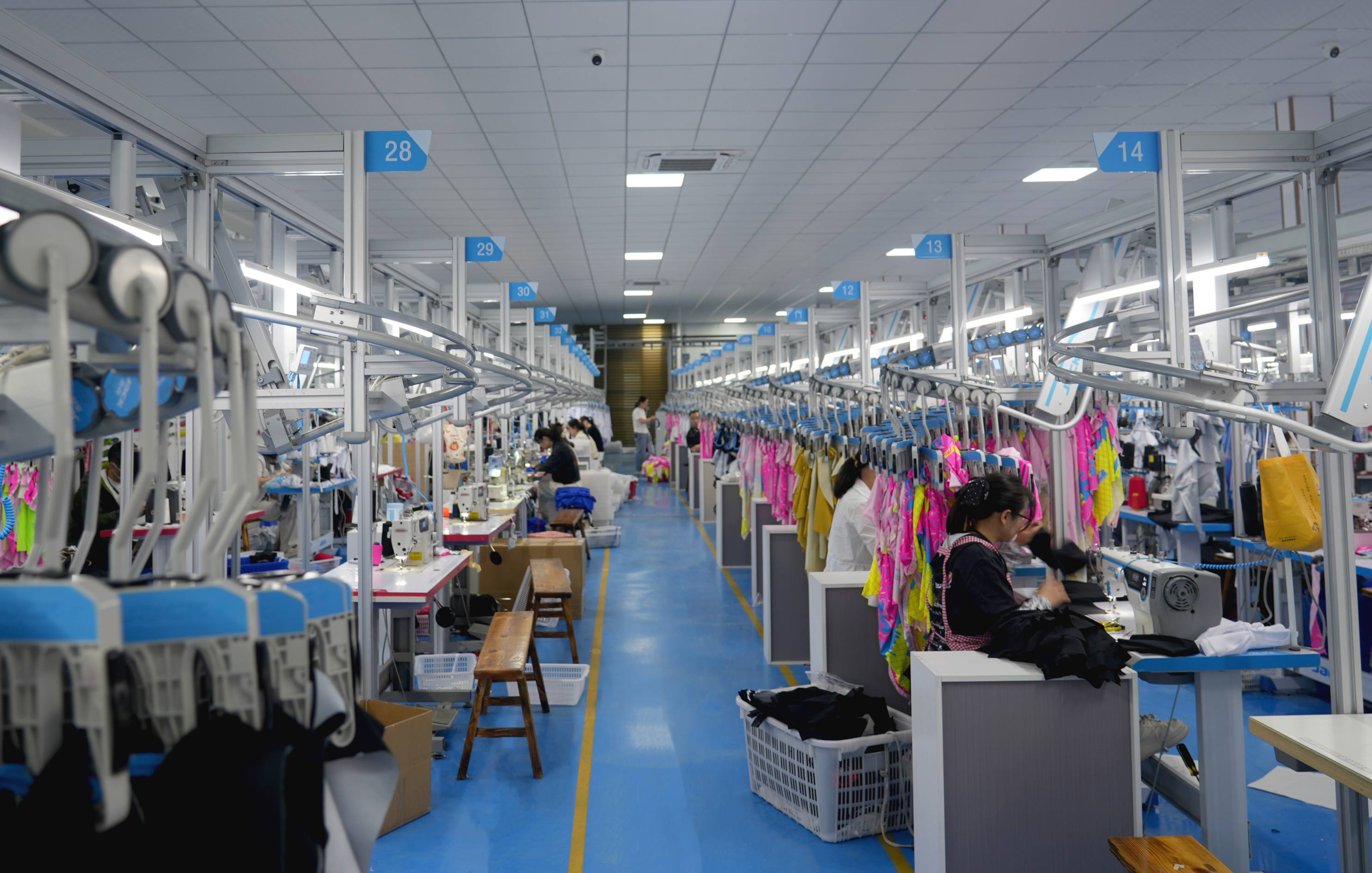
At Ljvogues, we operate 15 production lines dedicated specifically to period underwear, with a combined daily capacity of 15,000 units. Each line is staffed with workers trained in our specific construction methods.

Workers at ljvogues are sewing menstrual underwear.
Quality Inspection and Testing
Every pair of period underwear undergoes inspection before packaging. Our QC team checks:
Seam integrity (no loose threads or weak stitches)
Layer alignment (absorbent layers properly positioned)
Absorbent core distribution (even coverage throughout the garment)
Fit and comfort (proper stretch and recovery)
Visual appearance (no defects or staining)
We also conduct random sampling from each production batch, testing absorbency levels to verify consistent quality. Any batch failing to meet standards is held for re-inspection.

LJVogues quality control workers inspect menstrual underwear
Common Misconceptions About Period Underwear Technology
Through my years in this industry, I've encountered many misconceptions about how period underwear works. Let me address the most common ones:
"Period underwear is just like a diaper"
This couldn't be further from the truth. While both use absorbent layers, period underwear technology has evolved far beyond diaper design. Modern period underwear features:
Slimmer profile (often indistinguishable from regular underwear)
Better breathability (preventing the "diaper rash" effect)
More flexible fit (moving with the body, not bunching)
Advanced odor control (preventing bacterial growth and smell)
The absorbency materials used in quality period underwear are also quite different from those in diapers, with different fiber structures optimized for menstrual fluid rather than urine.
"Period underwear doesn't work for heavy flow"
This misconception stems from early generations of period underwear that offered minimal protection. Today's period underwear technology, especially from manufacturers like Ljvogues, can handle even heavy menstrual flow.
Our heavy-flow period underwear absorbs up to 40ml of fluid—more than five regular tampons. Many of our brand partners report that customers who previously couldn't use period underwear during heavy days now rely on them completely.
The key is choosing period underwear with appropriate absorbency levels and replacing or rotating protection as needed, just as you would with any other menstrual product.
"Period underwear is bad for the environment"
Actually, the opposite is true. Unlike single-use pads and tampons that generate significant waste, quality period underwear can last 2-3 years with proper care. This represents a significant reduction in menstrual product waste.
At Ljvogues, we support sustainability by:
Using OEKO-TEX certified materials (safer for consumers and workers)
Offering organic cotton options for eco-conscious brands
Minimizing production waste through precision cutting
Providing PFAS-free period underwear (avoiding persistent "forever chemicals")
When you calculate the lifecycle impact, a single pair of period underwear replaces approximately 1,000 disposable products over its lifetime. That's good for the environment and for consumers' wallets.

Provide PFAS-free menstrual underwear
Caring for Period Underwear: Maximizing Absorbent Technology Lifespan
Proper care significantly impacts how well period underwear technology performs over time. Here's what Ljvogues recommends for extending garment life:
Washing Before First Use
We recommend washing new period underwear before first wear. This:
Removes any processing residues
Improves initial absorbency (priming the fibers)
Ensures comfort against sensitive skin
Use cold or warm water and avoid fabric softeners, which can coat fibers and reduce absorbency.
Regular Washing Guidelines
Rinse or pre-soak after each wear (especially for heavy flow)
Machine wash cold or warm (max 40°C / 104°F)
Use mild detergent (no bleach or fabric softener)
Air dry or tumble dry low
Avoid ironing or using bleach, as these damage the absorbent fibers and waterproof barrier.
Long-Term Storage
Store period underwear in a cool, dry place away from direct sunlight. Avoid compressing garments for extended periods, as this can damage the absorbent fiber structure.
With proper care, quality period underwear should maintain good absorbency for 150-200 wash cycles—roughly 2-3 years of regular use.
Choosing a Period Underwear Manufacturer: What Brands Should Look For
For brands entering the period underwear market, selecting the right manufacturer is crucial. Here's what to evaluate:
Technical Capabilities
Look for manufacturers with demonstrated period underwear technology expertise:
Experience with multi-layer construction
Knowledge of different absorbent materials
Testing capabilities for absorbency verification
Quality control processes
Ljvogues has specialized in period underwear since 2016, with eight years of continuous refinement of our manufacturing processes and material science.
Certifications and Compliance
Reputable manufacturers should offer products with relevant safety certifications:
OEKO-TEX Standard 100 (fabric safety)
BSCI or SEDEX (social compliance)
FDA registration (for US market)
REACH compliance (for European market)
At Ljvogues, we maintain all these certifications and conduct regular third-party testing to verify compliance.
MOQ and Flexibility
Consider your business needs when choosing a manufacturer. Ljvogues offers low 50-piece MOQs, making it accessible for startups and emerging brands to launch period underwear products without significant inventory risk.
Sample Development Process
Before committing to bulk orders, review the manufacturer's sample process:
Timeline for sample development
Sample costs and revision policies
Minimum order quantities for samples
Customization options available
We offer 72-hour sample development at Ljvogues, allowing brands to receive prototypes within days rather than weeks. This rapid turnaround helps brands validate designs before investing in production runs.

Conclusion: The Future of Period Underwear Technology
Period underwear technology continues to evolve rapidly. At Ljvogues, we're exploring new materials and construction methods that will make period underwear even more effective, comfortable, and sustainable.
Emerging developments include:
Phase-change materials for temperature regulation
Smart fabrics that indicate saturation levels
Even more sustainable materials (recycled fibers, biodegradable options)
Enhanced odor-control technologies
Improved sustainability through circular economy programs
The market for period underwear is growing, driven by consumer demand for comfortable, sustainable menstrual protection. Brands that understand the underlying technology will be better positioned to develop products that truly meet consumer needs.
Whether you're a consumer seeking comfortable period protection or a brand exploring the period underwear market, I hope this guide has helped you understand the science behind period underwear technology. At Ljvogues, we're committed to sharing our expertise and helping more people experience the benefits of quality absorbent underwear.
Frequently Asked Questions
How does period underwear technology compare to tampons?
Period underwear technology offers several advantages over tampons: no insertion required, no risk of toxic shock syndrome, continuous protection (no need to remember to change), and significantly reduced environmental impact. However, some users prefer tampons for certain activities. Many people use both products depending on their needs.
Can you swim with period underwear?
Yes, period underwear technology allows swimming during menstruation. However, effectiveness varies by product. Ljvogues offers dedicated period swimwear designed specifically for water activities, with chlorine-resistant fabrics and secure fit.
How long can you wear period underwear?
Wear time depends on your flow and the product's absorbency. Most people change period underwear every 4-8 hours during the day and wear overnight styles while sleeping. For heavy flow, you may need to change more frequently.
Does period underwear feel wet?
Quality period underwear technology includes moisture-wicking layers that pull fluid away from skin, creating a drier feeling than traditional pads. While you may feel some moisture, most users report feeling dry and comfortable throughout the day.
How many pairs of period underwear do I need?
Most people need 5-7 pairs for complete rotation during their period, plus overnight styles if needed. This allows for daily rotation while washing. Ljvogues offers starter packs for brands launching period underwear collections.
Written by Ocean Yang, CEO
With over 8 years of experience in functional intimate apparel manufacturing, Ocean Yang has built Ljvogues into a leading OEM/ODM partner for period products. Starting from a small factory in Shenzhen, Ocean has grown the business to serve brands worldwide, specializing in period underwear and period swimwear. His practical, no-nonsense approach to manufacturing has helped dozens of brands bring innovative menstrual care products to market successfully.
About Ljvogues
Ljvogues is a professional OEM/ODM manufacturer specializing in period underwear and period swimwear. With eight years of experience, we serve brands worldwide, offering low 50-piece MOQs, 72-hour sample development, and full BSCI/SEDEX/ FDA/OEKO-TEX certified production. Contact us to discuss your period underwear technology requirements.