



Many people wonder whether period underwear can double as bladder leak panties, or whether leakproof underwear for incontinence can be worn on period days instead. The short answer is no — and the reason is specific and worth understanding.
The two products are engineered for fundamentally different fluids, different release patterns, and different body needs. Menstrual blood and urine behave differently on a physical level, and that difference determines how an absorbent garment has to be built. This article breaks down why, and what to look for whether the need is incontinence underwear, period underwear, or both.
Bladder leaks are common. Roughly 1 in 3 women experience some form of urinary incontinence at some point in their lives, most often related to pregnancy, childbirth, menopause, or normal aging. It's a medical reality, not something to be embarrassed about — and it's also a reality that has created growing demand for better-designed bladder leak undies that don't rely on bulky disposable pads.

The Two Liquids Are Not the Same
The core issue is chemistry and physics, not marketing. Menstrual blood and urine differ in pH, thickness, release speed, and volume — and each of those factors changes what an absorbent layer needs to do.
Menstrual blood is slightly acidic (roughly pH 4.5–7) and viscous — it moves slowly and is typically released in waves rather than a continuous stream. Over a full cycle, total volume is usually 30–80ml; even on a heavy day, that might mean 10–20ml released over a few hours. A fabric built for period flow needs to absorb a thicker fluid at a moderate pace and hold it in place while the wearer sits, walks, or sleeps.
Urine is more alkaline (roughly pH 4.6–8) and watery — it moves fast and, in the case of stress incontinence, is released suddenly under physical pressure: a cough, a sneeze, a laugh, a jump. Volume varies widely by type: stress incontinence leaks are typically small, around 1–10ml, while urgency incontinence can release 50–200ml or more in a single event. A fabric built for bladder leaks needs to absorb a thin liquid in a fraction of a second, or it spreads across the surface before it's absorbed.
Menstrual Blood | Urine (Stress Incontinence) | |
pH | ~4.5–7 (slightly acidic) | ~4.6–8 (variable) |
Consistency | Viscous, slow-moving | Watery, fast-moving |
Release pattern | Gradual, over hours | Sudden burst (fractions of a second) |
Volume per incident | 10–20ml (heavy day) | 1–10ml (stress leak) |
Odor factor | Low | High (urea → ammonia) |
Absorption speed needed | Moderate | Very fast |
This is why period underwear vs incontinence underwear isn't a matter of one being "better" — they're solving different fluid-handling problems.
Why Period Underwear Doesn't Work for Bladder Leaks
Period underwear is a poor substitute for leak proof underwear designed for incontinence, for three specific reasons:
Too slow to absorb. Period underwear's absorbent layers are optimized for a viscous fluid moving at a moderate pace. Watery urine moves much faster, so instead of absorbing on contact, it spreads laterally across the fabric surface first — leaving a wet feeling against the skin and raising the risk of irritation with repeated exposure.
No odor management. Urine contains urea, which converts to ammonia and produces noticeable odor within a short window. Period underwear isn't built with odor-neutralizing layers because menstrual blood doesn't carry the same odor risk. Worn for bladder leaks, a period underwear pair can become uncomfortable within hours.
Wrong capacity model. Period underwear capacity is calibrated for menstrual flow — a 45ml heavy/overnight pair comfortably covers a heavy period. But moderate-to-severe urgency incontinence can release 100–200ml in one event, far beyond what period underwear is designed to hold.
Why Incontinence Underwear Doesn't Work for Periods
The mismatch runs the other way too. Incontinence underwear isn't a good substitute for period protection, for two main reasons:
Different absorption structure. Incontinence underwear is optimized for fast surface wicking of a thin liquid — pulling it away from skin almost instantly. Menstrual blood is thicker and needs a structure that holds the fluid in place rather than wicking it rapidly outward. Worn on period days, incontinence underwear can let blood feel wetter and spread more than expected.
Capacity distribution. Incontinence products are often engineered for rapid absorption concentrated at the front-center, matching where stress leaks typically occur. Period underwear needs broader gusset coverage to manage flow across different positions — including lying down overnight — which incontinence underwear isn't built to distribute.

What to Look for in Each Product
Shopping for period underwear — three things to check:
Absorbency level matched to flow. Common tiers run 15ml (light), 30ml (medium), and 45ml (heavy/overnight) — matching the product to actual flow avoids both leaks and unnecessary bulk.
Material safety. Look for OEKO-TEX Standard 100 Class I certification, which covers safety for direct, prolonged skin contact — relevant for a garment worn against intimate skin for hours at a time.
Edge construction. Heat-bonded edges prevent the seam gaps that stitched construction can leave, reducing leak points at the garment's perimeter.
Shopping for incontinence underwear — three things to check:
Fast-dry surface layer. For stress incontinence in particular, how quickly the surface wicks liquid away matters more than total capacity — a fast-wicking layer is what actually prevents that damp, spreading feeling.
Odor control. Not all incontinence underwear treats odor management as a design priority — it's worth confirming the product specifically addresses it rather than assuming it's included.
Capacity matched to leak type. Light stress leaks (1–10ml) and moderate urgency leaks (50ml+) call for genuinely different absorbency levels — a product built for one won't perform well for the other.
Ljvogues manufactures both period underwear (15–45ml absorbency) and incontinence underwear (15–20ml, fast-dry design for light-to-moderate stress incontinence), both covered under OEKO-TEX Standard 100 Class I certification (Certificate No. 26.HCN.12213). Both lines are also PFAS-free, verified by SGS testing to EPA Method 533 on every production batch since Q2 2024.
For Brand Buyers: The Incontinence Underwear Market Opportunity
The global incontinence products market continues to grow, driven by an aging population, greater awareness of urinary incontinence as a normal and treatable condition, and a broader shift away from bulky disposable pads toward discreet, reusable underwear. For brands already established in period underwear, incontinence underwear is a natural adjacent category — it uses overlapping construction technology and reaches a consumer base that shares real demographic overlap with period care customers.
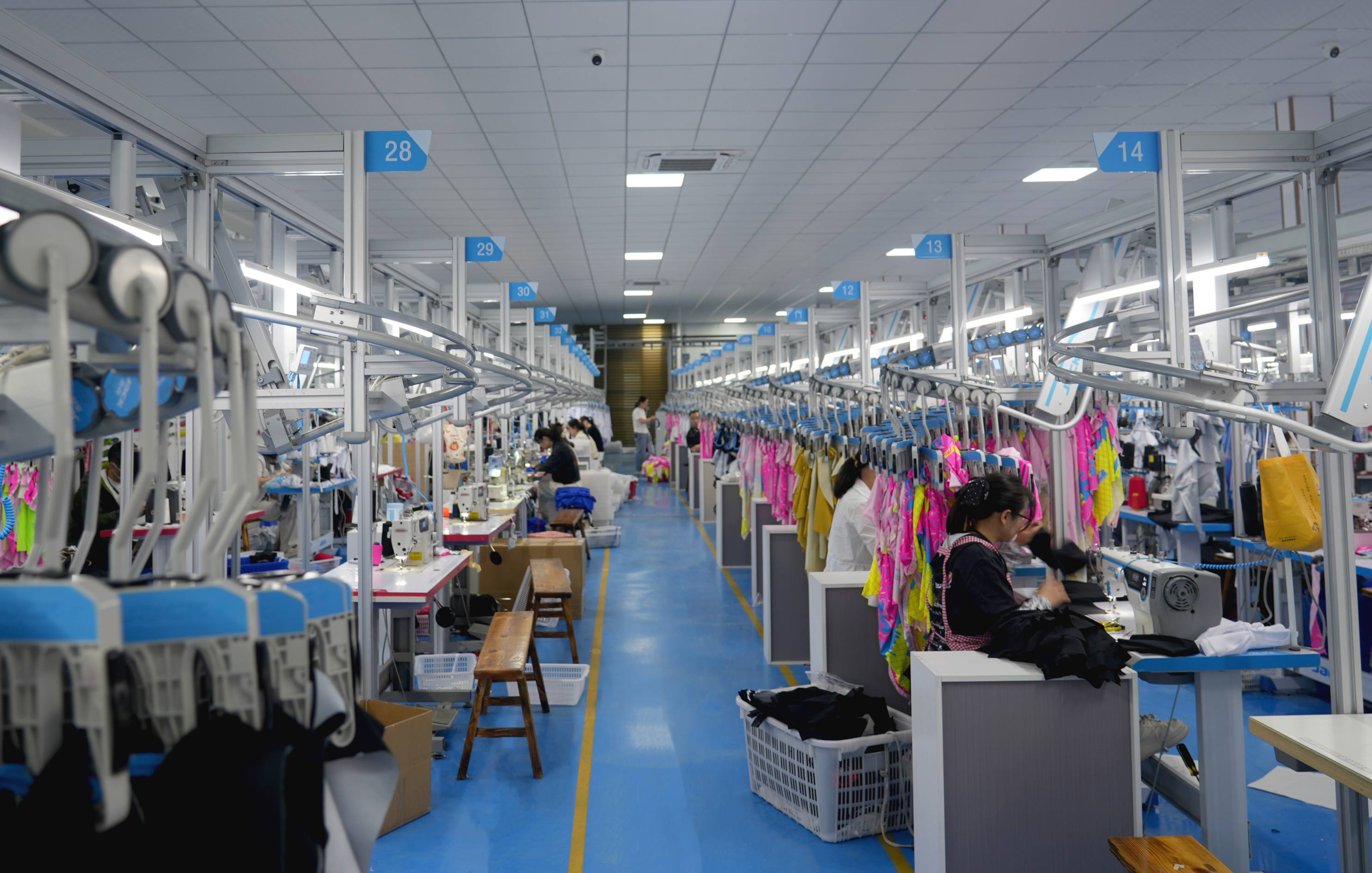
Ljvogues manufactures both period underwear and incontinence underwear in the same 8,000m² Shenzhen facility, under the same certification framework: OEKO-TEX Standard 100 Class I, PFAS-free verification (SGS testing to EPA Method 533), BSCI, and SEDEX SMETA. That means brands can develop both product lines through a single supplier relationship — streamlined sampling, consistent certification documentation, and unified production management, rather than managing two separate manufacturing relationships.
Minimum order quantity is 50 pieces per style per color for both categories, with 7-day prototype sampling turnaround.
Brands looking to expand from period care into incontinence, or the reverse, can develop both product lines with Ljvogues — contact info@ljvogues.com or WhatsApp +86-199-2880-2613 to discuss specifications.
Next Steps
For consumers comparing options directly, Ljvogues offers dedicated period underwear and incontinence underwear product lines, each built around the fluid it's designed to handle.
Recommended reading:
How Period Underwear Works — The 4-Layer Technology Explained
Are Period Underwear Reusable? — Care and Washing Guide
Heavy Flow Overnight Period Underwear Guide