


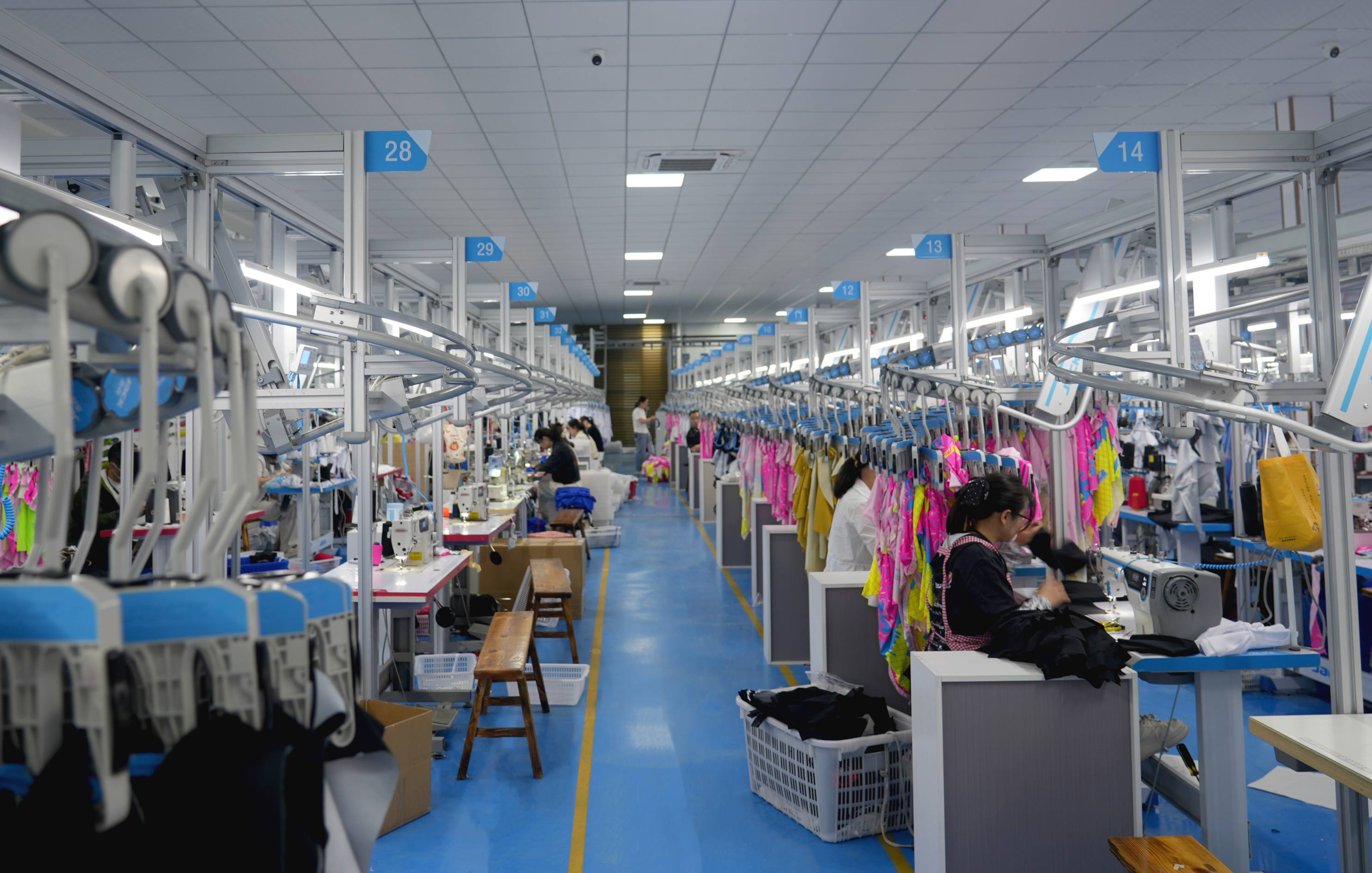

Yes, period underwear is reusable and washable — that's the entire point of the product. Unlike disposable pads or liners, washable period underwear is designed to be worn, washed, and worn again, cycle after cycle, for years. But not all period underwear is built the same, and how long a pair actually lasts depends on two things: how it was made and how it's washed. Buy a poorly constructed pair and it may fall apart within weeks. Care for a well-made pair correctly, and it can outlast years of regular use. This guide breaks down exactly how long reusable period underwear should last, what wears it out fastest, and the correct way to wash it so it doesn't fail early.
How Long Do Reusable Period Underwear Actually Last?
The honest answer is: it depends on construction quality and washing habits, but a reasonably well-made pair of reusable period panties should last around two years of regular use.
Here's how that number is derived. Assume a typical five-day period each month, with two pairs worn and washed per day during that stretch. That works out to roughly 10 washes per pair, per month. If a pair of period underwear is engineered to withstand 100 wash cycles before its performance degrades, dividing 100 washes by 10 washes a month gives about 10 months of use — if someone is relying on a single pair without rotating others into the mix.
In practice, most people don't wear the same single pair through an entire cycle. Rotating four to six pairs spreads out the wash cycles across a larger wardrobe, which stretches that same 100-wash lifespan out to roughly two years of regular use. This is why washable menstrual underwear is typically sold in multi-packs — rotation is what makes the "reusable for years" claim realistic.
Quality construction is the other half of the equation, and it's where brands diverge sharply. Cheaper period underwear is often assembled using iron-press bonding, where heat and pressure fuse the waterproof layer to the fabric using a basic pressing method. This bonding tends to delaminate — meaning the layers start separating — after just 3 to 8 washes. Higher-quality period underwear uses heat-bonded construction, a more precise thermal bonding process that fuses the waterproof layer more durably. In Ljvogues' internal wash testing, heat-bonded period underwear maintained structural integrity through 100 wash cycles — equivalent to approximately two years of regular use when rotating multiple pairs. It's worth noting this is an internal production testing standard, not a third-party certified rating, but it illustrates the significant gap between construction methods.
Signs it's time to replace a pair:
Visible delamination or peeling at the gusset edges
Noticeably reduced absorbency compared to when new
The waterproof layer bubbling, cracking, or feeling stiff

What Destroys Period Underwear Faster Than Anything Else
Most premature failures in reusable period underwear trace back to a handful of avoidable washing mistakes. Knowing them upfront can add months or years to a pair's usable life.
Hot water (above 40°C/104°F). Heat degrades the TPU waterproof layer and weakens the adhesive bonding that holds the layers together. The hotter the wash, the faster this breakdown happens.
Tumble drying. This is the single biggest cause of premature failure in period underwear. Dryer heat causes the waterproof membrane to delaminate — essentially peeling apart from the fabric it's bonded to — often after just a handful of dryer cycles.
Bleach or oxidizing stain removers. These break down elastic fibers and the adhesive layers used in construction, weakening the garment even if stains lift successfully.
Fabric softener. It coats moisture-wicking fibers with a residue layer, which reduces the fabric's ability to absorb and wick moisture over time — even though the garment still looks fine.
Rough machine wash cycles. High spin speeds put mechanical stress on seams and bonding edges, accelerating wear at the exact points where layers are joined.
How to Wash Period Underwear: Step-by-Step
Washing reusable period underwear correctly isn't complicated, but the order of steps and the temperatures used both matter.
Step 1 — Rinse first, in cold water. Immediately after wearing, rinse the underwear in cold water to remove the bulk of the blood before it dries. This matters because hot water actually makes blood stains harder to remove — heat causes the hemoglobin protein in blood to set into the fibers, whereas cold water keeps it from bonding to the fabric.
Step 2 — Choose a washing method.
Hand wash (best option): Gently wash the gusset area with a mild detergent in cool or lukewarm water, no higher than 30°C (86°F). Rinse thoroughly until the water runs clear.
Machine wash (acceptable option): Place the underwear in a mesh laundry bag to protect the seams, then run a delicate or gentle cycle using cold or cool water, capped at 30°C. Use a mild detergent only.
Step 3 — Air dry only. Lay the underwear flat or hang it to dry, away from direct heat sources and direct sunlight. Never put it in the tumble dryer, and never iron it — both introduce the exact heat exposure that causes delamination.
Step 4 — Store fully dry. Only store period underwear once it's completely dry. Packing away damp fabric encourages odor buildup and speeds up fabric degradation over time.
Method | Temperature | Cycle | Drying |
Hand wash | Max 30°C (86°F) | Gentle | Air dry only |
Machine wash | Max 30°C (86°F) | Delicate, mesh bag | Air dry only |
❌ Tumble dry | — | — | Never |
❌ Iron | — | — | Never |
Detergent guidance: A mild liquid detergent works best, and fragrance-free formulas are preferable for sensitive skin. Enzyme-based detergents are safe to use and are actually effective at breaking down protein-based stains like blood without damaging the fabric. Avoid bleach, chlorine-based cleaners, oxidizing agents, and fabric softener — all of which either degrade the materials or reduce absorbency.

How Many Pairs Do You Need?
Planning a period underwear wardrobe comes down to cycle length and how often washing is realistic.
For a typical five-day period, two to three pairs is the practical minimum — enough to wash and rotate without needing to wear a damp pair. For more comfortable rotation, without needing to do laundry mid-cycle, four to six pairs is a more realistic target.
Flow level also matters when choosing which pairs to buy. Lighter days call for thinner, lower-absorbency styles that feel closer to regular underwear, while heavier days and overnight wear call for higher-absorbency styles built to handle more volume without leaks. Most people end up with a mix — a few lighter pairs for the start and end of their cycle, and a couple of higher-capacity pairs for the heavier middle days or overnight use.
Does Washing Affect Absorbency Over Time?
This is one of the most common concerns people have before switching to reusable period underwear, and the answer depends heavily on construction quality.
Well-made heat-bonded period underwear is designed so the absorption layer is structurally integrated into the garment rather than simply applied to the surface. Because of this, the absorbency doesn't wear off the way a surface coating would after repeated washing. According to Ljvogues' production standards, the 4-layer absorption system is designed to maintain performance through repeated washing when care instructions are followed.
The bigger threat to absorbency isn't washing itself — it's fabric softener. Softener works by coating fibers with a thin residue layer, which is exactly what reduces a moisture-wicking fabric's ability to pull liquid away from the body. Skipping fabric softener entirely is one of the simplest ways to preserve absorbency for the life of the garment.
Are Period Underwear Environmentally Better Than Disposables?
For consumers weighing reusable versus disposable options, the environmental math is worth understanding.
Over a lifetime, the average person uses roughly 11,000 disposable period products. By comparison, a single pair of reusable period underwear used for about two years can replace roughly 240 or more disposable pads or liners, since it's washed and reused rather than thrown away after each use. Materials also matter for what goes down the drain during washing — OEKO-TEX certified materials are tested to ensure no harmful dyes or chemical residues are released into water systems during washing. This doesn't mean reusable underwear is a perfect solution for everyone, but for people weighing long-term cost and waste, the reduction in disposable product use over a couple of years is substantial.
Final Thoughts
Reusable period underwear is built to be washed and worn for years, not weeks — but only when it's made with durable construction and cared for correctly. Cold rinsing, gentle washing under 30°C, and air drying are the habits that make the difference between a pair that lasts a couple of months and one that lasts a couple of years.
If you're looking for period underwear built to last through years of washing, explore Ljvogues' period underwear collection — every style is made with heat-bonded construction and OEKO-TEX Standard 100 Class I certified materials.

Recommended reading:
How Period Underwear Works — a breakdown of the layers and materials that make leak-proof period underwear possible.
PFAS-Free Period Underwear Guide — what PFAS chemicals are, why they matter in period underwear, and how to check if a product is free of them.
For brand buyers: If you're building a period underwear brand and want to discuss construction standards and wash durability, contact us at info@ljvogues.com.