Ljvogues' Postpartum Period Underwear Adjustable Closure is the only SKU in our catalog engineered specifically for the six weeks after childbirth, not for a menstrual cycle. A hook-and-eye (or snap-button) waistband replaces the fixed elastic band found on every standard period underwear style, letting the garment expand and contract as a new mother's body changes week by week during lochia recovery. Paired with a 4-layer heavy-absorbency core built for postpartum discharge volume — not a regular period — and a high-waist or adjustable-waist brief cut that can be positioned away from a C-section incision, this style gives maternity retailers, hospital gift shop buyers, and DTC baby brands a functional postpartum product, not a relabeled period panty.
| Availability: | |
|---|---|
Every new mother experiences lochia — the medical term for postpartum uterine discharge — regardless of whether she delivered vaginally or by C-section. Lochia is not a heavy period. It starts as bright red bleeding heavier than a typical menstrual flow, transitions through pink and brown stages, and continues for four to six weeks as the uterus sheds its lining and returns to its pre-pregnancy state. This is the buyer education point your customer needs to understand before they will trust a product for this use case: their customer is experiencing something fundamentally different from menstruation, both in volume and in duration. A standard period underwear SKU, sized and absorbency-rated for a five-to-seven-day cycle, is being asked to perform a job it was never engineered for. Two failures show up immediately. First, the fixed elastic waistband that works fine on a non-pregnant body becomes a source of real discomfort against a postpartum abdomen that is still swollen and healing, and for the roughly one in three mothers who deliver by C-section, that same waistband can sit directly on or above a fresh incision line — a design flaw, not a minor complaint. Second, a standard period gusset, built to absorb a menstrual flow rate, is frequently undersized for the volume and unpredictability of lochia in the first one to two weeks, when flow is heaviest and least predictable. Any brand selling standard period underwear into the postpartum space without addressing both of these gaps is selling a mismatched product into a use case that has different physical requirements.
The adjustable hook-and-eye or snap closure on this style exists to solve the one problem a standard elastic waistband structurally cannot: a new mother's body does not stay the same size during recovery. Postpartum swelling, uterine involution, and fluid retention mean waist and hip measurements can shift noticeably from day to day and week to week across the six-week recovery window — a single fixed elastic band has to compromise between "too tight on day three" and "too loose on day thirty," and it typically fails at both ends. An adjustable closure removes that compromise by letting the wearer reset the fit as her body changes, which is the entire reason this SKU exists in the Ljvogues catalog as a distinct product rather than a marketing variant of a standard style. For C-section recovery specifically, the adjustable closure has a second, equally important job: it can be positioned and tightened so the closure line sits away from the incision, rather than pressing directly across it the way a rigid elastic band does. This is not a preference feature to mention in passing — it is the functional reason a postpartum customer can wear this product comfortably in week one after surgery, when a standard period brief would be genuinely painful to wear. Buyers selling into hospital gift shops, maternity boutiques, or new-mother DTC channels should lead marketing copy with this mechanism, because it is the single claim a standard period underwear competitor cannot make.
The only SKU in the Ljvogues catalog purpose-built for postpartum lochia management, giving maternity and baby-brand buyers a distinct product story instead of a relabeled period panty
Adjustable hook-and-eye or snap-button closure accommodates daily and weekly body changes through the full 4–6 week postpartum recovery window
Closure position can be adjusted away from a C-section incision line, addressing a real pain point standard elastic waistbands cannot solve
High-waist or adjustable-waist brief cut supports a swollen postpartum abdomen without added compression
4-layer heavy-absorbency core sized for lochia volume, which runs heavier and lasts longer than a typical menstrual period
OEKO-TEX, BSCI, and ISO 9001 certifications support hospital gift shop, maternity retail, and marketplace compliance requirements
Secondary longevity value: once lochia recovery ends, the same pair transitions to standard menstrual use, extending the product's useful life for the end customer
Layer 1 — Soft Skin-Contact Layer
Postpartum skin around the vulva and perineum is frequently swollen, sensitive, or healing from tearing or an episiotomy, which means the fabric touching the body has a higher bar to clear than it does for a standard period. Layer 1 is built as a soft, breathable skin-contact surface that wicks lochia away from the body quickly, reducing the prolonged moisture contact that can aggravate healing tissue during the first one to two weeks postpartum. Because lochia flow is present essentially around the clock during early recovery — unlike a menstrual period, which has drier hours — this layer has to perform continuously rather than intermittently, and it is finished to stay gentle against skin that a new mother may still find tender days after delivery.
Layer 2 — Heavy-Absorbency Core
This is the layer doing the structural work of the entire postpartum use case. Lochia volume in the first several days after birth is significantly heavier than a typical menstrual flow, and unlike a period, it does not follow a predictable light-to-heavy-to-light curve — flow can spike with movement, breastfeeding (which triggers uterine contractions), or simply standing up after resting. The heavy-absorbency core in this style is sized against that reality rather than against standard menstrual capacity, giving it the headroom to handle both the volume and the unpredictability of postpartum discharge without requiring a mother to change underwear every hour. As lochia tapers into its lighter pink and brown stages over weeks three through six, the same core continues to perform, which is what allows one product to serve the entire recovery window instead of just the heaviest days.
Layer 3 — Waterproof Leak-Resistant Barrier
Because lochia lasts four to six times longer than an average period, the leak-proof barrier in this style has to hold up to far more wash-and-wear cycles within a single recovery window than a garment used for one cycle a month. Layer 3 provides a waterproof, leak-resistant barrier that prevents postpartum discharge from reaching outer clothing during the extended daily wear this use case demands — a mother managing lochia is not wearing this product for five days and setting it aside, she is wearing rotating pairs continuously for over a month. This layer is what allows the underwear to be trusted during the extended sitting, reclining, and low-mobility periods common in early postpartum recovery, when leaks are both more likely and more disruptive to manage.
Layer 4 — Adjustable Stretch Outer Shell
The outer layer is where the postpartum-specific engineering is most visible: a stretch fabric shell built around the adjustable hook-and-eye or snap closure rather than a fixed elastic band. This layer has to hold its shape and support the other three layers while accommodating a waistline that may be noticeably different in week one than in week five, and while allowing the wearer to shift the closure position to avoid pressure on a C-section incision or a swollen abdomen. A standard period underwear outer shell is optimized for a stable body size across a short cycle; this layer is optimized for a body in active recovery, which is the core distinction that makes this SKU a postpartum product rather than a heavy-flow period product wearing postpartum marketing.
Lochia management from the first days after delivery through the full 4–6 week postpartum recovery window
C-section recovery, where the adjustable closure can be positioned away from the incision line
Vaginal delivery recovery, including use alongside perineal healing from tearing or episiotomy
Hospital-to-home transition wear, including hospital bag inclusion for immediate post-delivery use
Postpartum exercise return, once a mother resumes light activity and needs a flexible, adjustable fit as swelling continues to subside
Secondary use as standard menstrual underwear once postpartum recovery is complete, extending the product's lifecycle for the end customer
This style is manufactured under OEKO-TEX certification, confirming the fabric has been tested against harmful substances — a particularly relevant claim for a product marketed to new mothers and worn against healing postpartum tissue (OEKO-TEX). Production runs under BSCI ethical manufacturing standards and ISO 9001 quality management certification, giving hospital gift shop buyers, maternity retailers, and marketplace sellers the compliance documentation typically required for listing in health-adjacent and mother-and-baby retail channels.
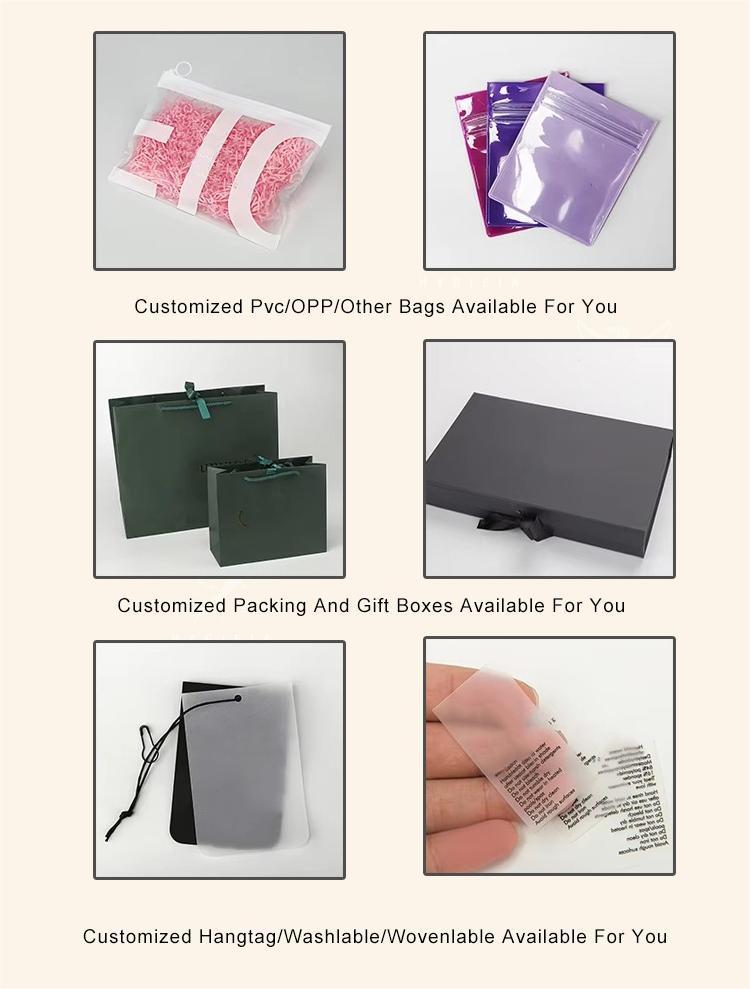
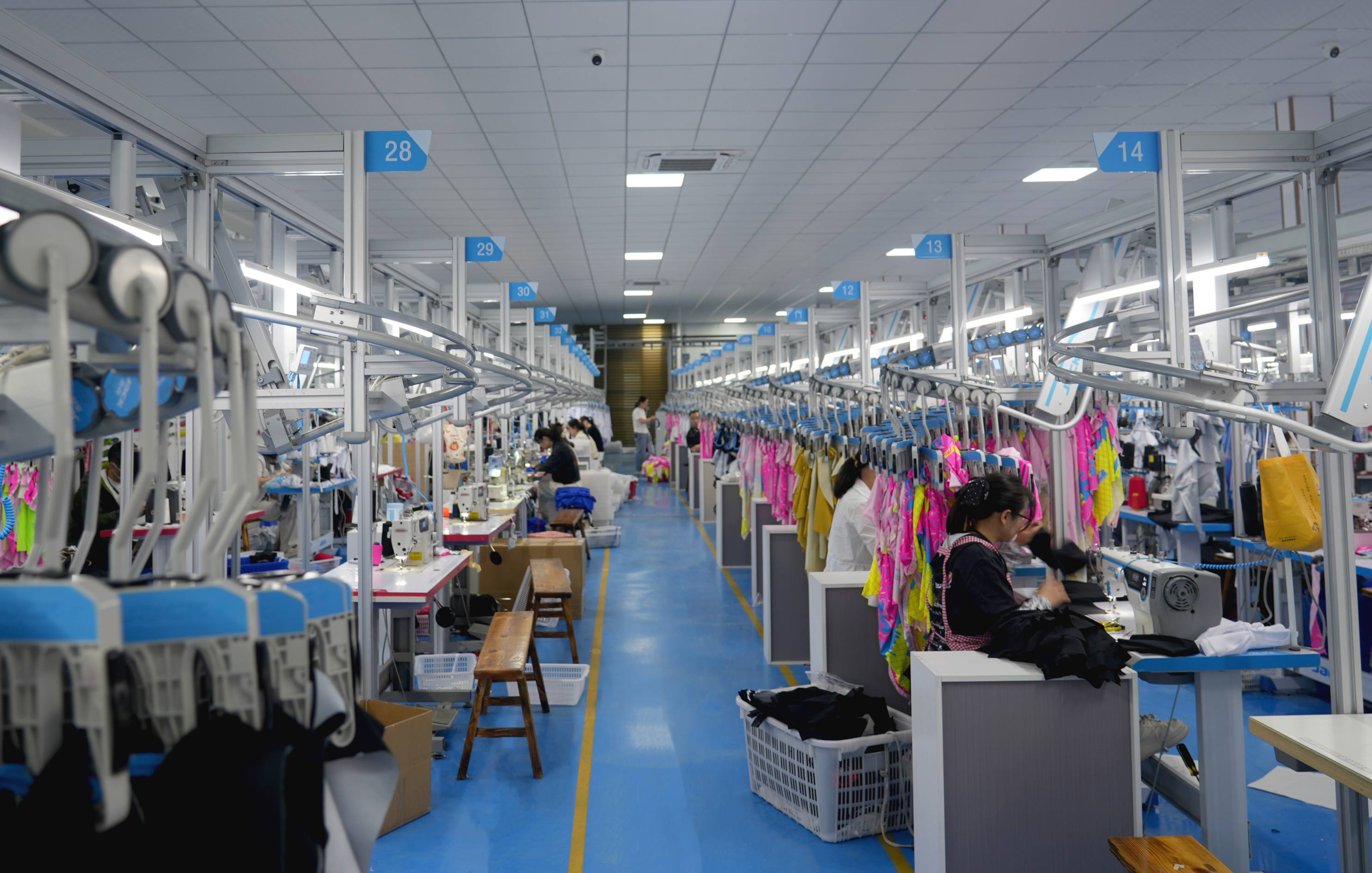
Shenzhen Ljvogues Sports Fashion Limited operates an 8,000m² ISO-certified factory in Shantou with 200+ employees dedicated to period and postpartum underwear production. Buyers can access full private-label services including custom color and fabric selection, adjustable closure hardware options (hook-and-eye or snap button), branded waistband detailing, and custom absorbency tuning to match a specific postpartum flow profile. For postpartum and maternity retail specifically, Ljvogues supports packaging formats built around real purchase occasions: multi-pack sets designed for baby shower gifting, hospital bag bundle packaging that pairs this SKU with complementary postpartum items, and maternity-ward or hospital gift shop retail packaging that visually distinguishes the product from standard period underwear on shelf. This packaging flexibility lets buyers position the product correctly at the point of purchase — as a postpartum recovery essential, not a general period underwear SKU.
Specification | Detail |
Product Name | Postpartum Period Underwear, Adjustable Closure |
Closure Type | Adjustable hook-and-eye or snap-button waistband |
Cut | High-waist or adjustable-waist brief |
Absorbency | Heavy (sized for postpartum lochia volume, above standard menstrual flow) |
Layer Count | 4-layer construction |
Layer 1 | Soft Skin-Contact Layer (breathable, gentle against healing postpartum tissue) |
Layer 2 | Heavy-Absorbency Core (sized for lochia volume and flow unpredictability) |
Layer 3 | Waterproof Leak-Resistant Barrier (rated for extended, multi-week daily wear) |
Layer 4 | Adjustable Stretch Outer Shell (built around adjustable closure, not fixed elastic) |
Primary Use Case | Postpartum lochia management, weeks 1–6 |
Secondary Use Case | Standard menstrual underwear post-recovery |
Certifications | OEKO-TEX, BSCI, ISO 9001 |
Manufacturing | Shenzhen Ljvogues Sports Fashion Limited, Shantou factory (8,000m², ISO-certified, 200+ employees) |
Field | Specification |
Model No. | FG23A |
Style | Low-Rise Hook-Closure Period Brief |
Construction | Seamless body + Hook & Eye adjustable waistband |
Outer Fabric | 80% Nylon / 20% Spandex |
Yarn Count | 21–30D |
Weave | Plain knit, seamless |
Gusset — Top Layer | 100% Cotton (skin-contact) |
Gusset Structure | 3-Layer Leak-Proof (absorbent core / TPU barrier / outer shell) |
Absorbency Options | 10ml (Light) · 25ml (Regular) · 45ml (Heavy / Overnight) |
Size Range | XS, S, M, L, XL, 2XL, 3XL, 4XL (Custom sizing supported) |
Rise | Low-rise |
Closure | 4×3 Hook & Eye, nickel-free hardware |
Stock Colors | Black (in stock) |
Custom Colors | Pantone-matched, MOQ 1,000 per color |
MOQ | 1,000 pcs per color × size (flexible for mixed orders) |
Sampling Lead Time | 72 hours (existing pattern) / 7–10 days (custom) |
Production Lead Time | 10–20 days per 1,000 pcs |
Size Tolerance | ±1–4 cm |
Origin | Shenzhen, China |
HS Code | 6108.22 |
Packaging | Poly bag (default) · Custom box / hangtag / woven label available |
Certifications | OEKO-TEX Standard 100 · PFAS-Free Verified · BSCI · GRS · REACH/SVHC compliant |
Q1: When should a new mother start wearing this postpartum period underwear — is it different for vaginal birth versus a C-section?
For a vaginal delivery, most mothers can begin wearing adjustable postpartum period underwear immediately after birth, once hospital staff have confirmed initial bleeding is stable enough to move from hospital pads to underwear. For a C-section, the same product is still appropriate, but the adjustable closure should be worn positioned low and away from the incision line until the wound has progressed in healing, typically guided by the delivering hospital or provider. In both cases, the value of the adjustable closure is that it does not require a different product for each recovery type — the same SKU adapts to either use case, which is a useful single-SKU simplification for retail buyers to communicate.
Q2: How many pairs does a customer typically need to manage lochia for the full 4–6 week recovery period?
Because lochia is heaviest and least predictable in the first one to two weeks, most customers need to rotate through several pairs per day early in recovery, tapering to one or two changes per day as flow lightens in weeks three through six. Retailers and DTC brands commonly bundle this SKU in sets of 5–7 pairs, positioned as a "one week of recovery" pack, which also gives buyers a natural multi-pack pricing structure rather than selling single units.
Q3: Does the adjustable closure genuinely work for both vaginal and C-section recovery, or is it better suited to one?
It is designed to work for both, but the underlying reason differs. For vaginal recovery, the primary benefit is accommodating day-to-day abdominal swelling and uterine involution as the body changes size. For C-section recovery, the primary benefit is positioning the closure away from direct pressure on the incision — something a fixed elastic waistband cannot do at all. Brands marketing this product to a mixed postpartum audience should mention both benefits rather than assuming one delivery type is the primary buyer.
Q4: How should we market postpartum period underwear differently from standard postnatal disposable pads or mesh underwear?
Lead with reusability and comfort duration rather than absorbency alone, since most postpartum disposables already compete on absorbency. The differentiated argument for this product is that it is designed to be worn for the full 4–6 week recovery window without the discomfort of a fixed waistband against a healing, swelling abdomen, and it can be laundered and reused rather than thrown away after each change. This also supports a value-per-use argument against multi-pack disposable postnatal underwear, since a small set of adjustable pairs replaces a much larger volume of single-use product over six weeks.
Q5: Can this product be positioned as a hospital bag recommendation for maternity retailers or hospital gift shops?
Yes, and it is one of the stronger retail placements for this SKU. Hospital gift shops and maternity retailers can position it alongside other hospital bag essentials, since the adjustable closure makes it appropriate to pack before delivery type is even known — a genuine advantage over sizing a standard period underwear SKU in advance. Bundled hospital bag packaging (paired with nursing or recovery items) is a packaging format Ljvogues supports directly for buyers building this positioning.
Ready to add a dedicated postpartum SKU to your maternity or period care line? Ljvogues supports full OEM/ODM development for the Adjustable Hook-Closure Postpartum Period Underwear, including custom absorbency tuning, closure hardware selection, and packaging formats built for baby shower gifting and hospital bag bundles — backed by our ISO-certified Shantou factory.
Contact us via WhatsApp at +86-19928802613 or email info@ljvogues.com to request samples or a bulk manufacturing quote.