You are here: Home / Blog / Guide / The PFAS-Free Promise: A Practical Material Guide for the Safest Period Underwear Brands

The PFAS-Free Promise: A Practical Material Guide for the Safest Period Underwear Brands

Views: 0     Author: Ocean Yang     Publish Time: 2026-01-05      Origin: Ljvogues

As Ocean Yang, CEO of Ljvogues and a manufacturer supporting PFAS-free period underwear production for brands worldwide, I've watched this issue transform from a technical footnote into a make-or-break factor for brand trust. Recent lawsuits, independent testing revelations, and regulatory momentum have made one thing clear: for any serious brand today, a PFAS-free materials strategy is no longer a marketing bonus—it's a basic requirement for consumer trust, regulatory compliance, and long-term brand survival.

This guide provides a practical framework for understanding PFAS risks, selecting safer materials, verifying supply chain claims, and turning PFAS-free positioning into genuine competitive advantage.

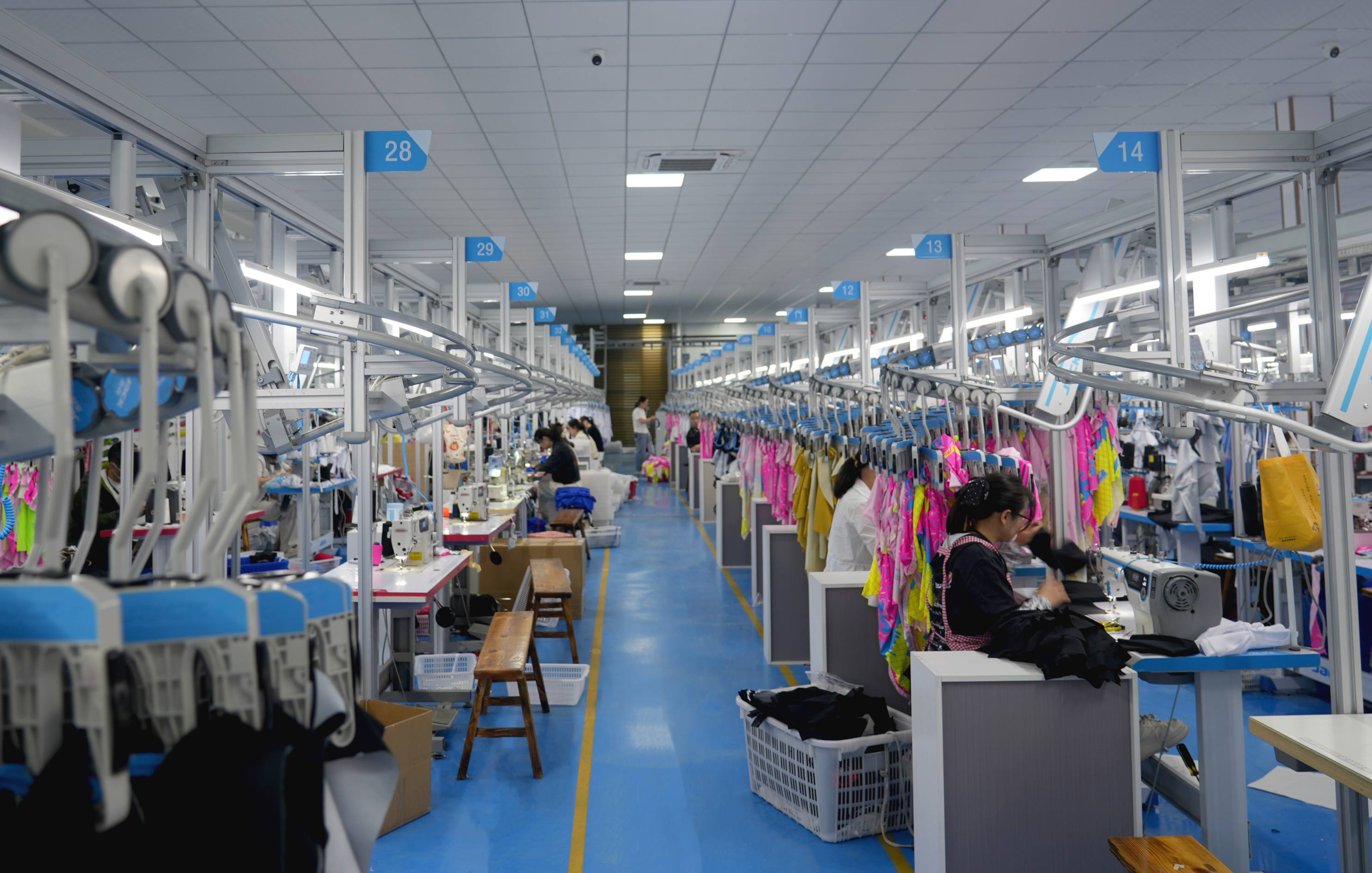
ljvogues-period-underwear-pfasfree-hero-manufacturing

What Are PFAS and Why Do They Matter in Period Underwear?

PFAS (per- and polyfluoroalkyl substances) are a large family of synthetic chemicals historically used to make fabrics water-resistant, stain-resistant, and oil-repellent. They're often called "forever chemicals" because they don't break down easily in the environment—or in the human body. 

ealth Concerns

Scientific and public health research has associated PFAS exposure with serious health risks:

Health Concern

Research Findings

Hormone disruption

Interference with thyroid function and reproductive hormones

Reproductive issues

Links to fertility problems, pregnancy complications

Immune effects

Reduced vaccine response, weakened immune function

Cancer risk

Associations with kidney, testicular, and other cancers

Developmental effects

Potential impacts on fetal and child development

Why Period Underwear Is Particularly Concerning

The anatomy of exposure matters. Period underwear is worn directly against highly absorbent vulvar and vaginal tissue for extended periods—often 8–hours at a time. This intimate, prolonged contact creates a different risk profile than casual fabric exposure:

  • Vulvar and vaginal tissue has higher permeability than regular skin

  • Extended wear time increases potential exposure duration

  • Heat and moisture may increase chemical transfer

  • Consumers trust "period-safe" products to be genuinely safe

The Lawsuits and Testing That Changed Everything

The period underwear industry faced a reckoning when independent investigations revealed PFAS in products marketed as "safe," "non-toxic," and "sustainable":

  • The Thinx lawsuit alleged that the brand's underwear, long marketed as safe and sustainable, contained harmful PFAS chemicals. The case resulted in a settlement and raised industry-wide questions about testing practices and marketing claims. [

  • otre Dame research detected measurable PFAS in multiple layers of many reusable menstrual products tested, with some levels suggesting intentional use rather than incidental contamination. [4]

  • Preliminary screenings showed that period underwear and reusable pads had the highest rates of likely intentional PFAS use among reusable menstrual products—approximately 33% of period underwear and similar rates for reusable pads showed indicators of PFAS presence. 

Industry Reality Check: These revelations didn't just affect individual brands—they created category-wide consumer skepticism. Today's informed shoppers actively search for "PFAS-free period underwear" and scrutinize brand claims more carefully than ever before.

Why "PFAS-Free" Is Harder Than It Sounds

Many brands assume that simply asking suppliers for "PFAS-free" fabric is sufficient. The reality is far more complex. Fluorinated chemistries can appear at multiple points in the supply chain, often without the brand's knowledge.

Where PFAS Can Hide

Component

Potential PFAS Source

Why It's Used

Waterproof barriers

Fluorinated coatings on PUL/TPU

Enhanced water repellency

Face fabrics

Stain-repellent finishes

Easier cleaning, stain resistance

Absorbent layers

Water-resistant treatments

Directional moisture flow

Elastic bands

Processing aids

Manufacturing efficiency

Thread and trims

Contaminated materials

Uncontrolled supply chain

Printing inks

Fluorinated additives

Durability, adhesion

The Contamination Problem

Research has shown that PFAS presence in menstrual products isn't always intentional—but it's widespread:

  • Testing revealed that a significant percentage of pads, tampons, panty liners, and period underwear contained detectable fluorine, suggesting either intentional PFAS use or supply chain contamination [[4]

  • Some contamination occurs through cross-contact during manufacturing, storage, or shipping

  • Legacy equipment previously used with fluorinated treatments can transfer residues to new products

The Legal and Reputational Risk

Brands have faced lawsuits and severe reputational damage not because PFAS caused proven harm to specific individuals, but because marketing claimed products were "non-toxic" or "safe" while independent testing found fluorinated compounds. [

he legal theory is straightforward: if you claim your product is safe/non-toxic/chemical-free, and testing reveals PFAS, you've potentially made false advertising claims—regardless of whether harm occurred.

Critical Insight for Brands: For private-label and OEM/ODM buyers, this means PFAS-free must be treated as a traceable, testable specification—not a vague checkbox in a supplier questionnaire. Documentation, testing, and supply chain control are essential.
ljvogues-period-underwear-brand-painpoints-infographic

Safer Material Choices for PFAS-Free Period Underwear

Building a genuinely PFAS-free period underwear line starts with a material stack that doesn't rely on fluorinated chemistries for performance. Each component—face fabric, absorbent core, and leak-proof barrier—needs carefully specified, verified options.

Layer Skin-Contact Fabrics

The innermost layer requires the highest safety standards due to direct tissue contact.

Recommended Materials:

Material

Benefits

Certification to Request

Organic cotton

Natural, breathable, hypoallergenic

GOTS, OEKO-TEX® Standard

Bamboo viscose

Soft, naturally antimicrobial

OEKO-TEX®, FSC for bamboo sourcing

TENCEL™ (Lyocell)

Sustainable, moisture-managing

OEKO-TEX®, Lenzing certification

Modal/MicroModal

Exceptionally soft, durable

OEKO-TEX® Standard

Key Specifications:

  • Request OEKO-TEX® Standard or equivalent certification confirming absence of harmful substances

  • Specify no chemical finishes (stain-repellent, water-repellent, antimicrobial treatments)

  • Keep elastane/spandex content minimal (typically 5–8% for stretch)

  • Verify that dyes and prints also meet non-toxic criteria

Layer Absorbent Core Materials

The absorbent layer must deliver performance through fiber structure and engineering, not chemical treatments.

Recommended Approaches:

Material

Absorption Method

PFAS Risk Level

Microfiber polyester

Capillary action via fiber structure

Low (if untreated)

Recycled polyester

Mechanical absorption

Low (verify source)

Bamboo terry

Natural fiber absorbency

Very low

Cotton/hemp blends

Natural fiber absorbency

Very low

Viscose layers

Cellulosic absorption

Low

Key Specifications:

  • Specify no PFAS-based treatments for water management or directional flow

  • Request documentation confirming no fluorinated finishes at any processing stage

  • Consider blended constructions (polyester + viscose + cotton) for optimized performance without chemical enhancement

Layer 3: Leak-Proof Barrier

The waterproof barrier is historically where PFAS problems have been most common—but PFAS-free alternatives now offer excellent performance.

PFAS-Free Barrier Options:

Material

Properties

Documentation Required

TPU (Thermoplastic Polyurethane)

Waterproof, breathable, flexible

PFAS-free declaration from laminator

PUL (Polyurethane Laminate)

Waterproof, fabric-bonded

PFAS-free declaration, coating specification

Silicone-based barriers

Waterproof, hypoallergenic

Material safety data sheet

Critical Requirements:

  • Obtain explicit PFAS-free documentation from the barrier manufacturer (not just the fabric supplier)

  • Verify that no fluorinated coatings are applied to enhance water repellency

  • Focus on mechanical and structural leak-proofing (proper layering, gusset design, coverage area) rather than chemical repellency

Manufacturing Insight: At Ljvogues, we've invested in PFAS-free TPU barrier sourcing and maintain documentation chains from laminate manufacturers through finished products. This traceability is essential for brands making PFAS-free claims.

Layer 4: Outer Shell and Components

Don't overlook the supporting materials that complete the product.

Components Requiring PFAS-Free Verification:

  • Elastic waistbands and leg openings — specify untreated elastics

  • Thread — verify no fluorinated processing aids

  • Labels and tags — confirm printing inks are PFAS-free

  • Packaging materials — some coated packaging contains PFAS

  • ljvogues-period-underwear-tpu-barrier-structure-design

How to Verify PFAS-Free Claims in Your Supply Chain

A credible PFAS-free promise requires more than supplier assurances—it demands systematic verification, documentation, and ongoing monitoring. Here's a practical due diligence framework for brands working with OEM/ODM partners.

Step Require Comprehensive Written Declarations

Document Type

What It Should Cover

Red Flags

PFAS-free declaration

All components: face fabrics, cores, barriers, elastics, trims

Vague language, "fabric only" scope

Material specifications

Detailed composition of each layer

Missing barrier/coating details

Processing declarations

Confirmation no fluorinated treatments at any stage

Silence on finishing steps

Supplier certifications

OEKO-TEX®, GOTS, or equivalent for each material

Outdated or missing certificates

Key Questions to Ask:

  • "Is this declaration component-specific or product-wide?"

  • "Does this cover all finishing and coating treatments?"

  • "Can you provide documentation from your upstream suppliers?"

Step Implement Third-Party Lab Testing

Independent laboratory testing provides the verification that documentation alone cannot.

Testing Options:

Test Type

What It Measures

When to Use

Total Organic Fluorine (TOF)

Presence of any fluorinated compounds

Screening, initial verification

Targeted PFAS panel

Specific PFAS compounds (PFOA, PFOS, etc.)

Detailed analysis, marketing claims

Extractable Organic Fluorine (EOF)

Fluorine that could migrate from product

Risk assessment

Testing Strategy:

  • Test each layer separately as well as the complete product

  • Establish baseline testing for new suppliers and materials

  • Implement periodic verification testing for ongoing production

  • Consider publishing "non-detect" results to support marketing claims (as leading brands now do)

Step 3: Audit Finishing and Coating Processes

Many PFAS contamination issues occur during finishing steps that brands don't directly control.

Audit Focus Areas:

  • Water-repellent treatments (DWR finishes)

  • Stain-resistant treatments

  • Antimicrobial finishes

  • Barrier lamination processes

  • Equipment cleaning and cross-contamination controls

Elimination Requirement: Any treatment based on fluorinated chemistry must be identified and eliminated, with alternative performance solutions specified.

Step 4: Monitor Regulatory Trends

PFAS regulations are tightening rapidly, and compliance today should anticipate tomorrow's requirements.

Current Regulatory Landscape:

Region

Status

Implications

European Union

Proposed broad PFAS restriction under REACH

Potential ban on PFAS in textiles

California

PFAS disclosure requirements for textiles

Labeling and reporting obligations

Other U.S. states

Various PFAS restrictions advancing

Patchwork compliance requirements

Canada

PFAS assessment ongoing

Future restrictions likely

Compliance Strategy: Treat PFAS control like quality control—systematic, documented, and linked to supplier selection and ongoing monitoring. Brands that build PFAS-free supply chains now will avoid costly reformulation when regulations tighten.

Turning PFAS-Free Into a Brand Advantage

For modern period underwear brands, a robust PFAS-free strategy delivers both risk management and powerful market positioning. Consumers actively searching for non-toxic, eco-conscious options increasingly look for clear statements—and proof—that their underwear is free from harmful chemicals.

Health-Centric Positioning

PFAS-free messaging resonates strongly with key consumer segments:

Consumer Segment

Why PFAS-Free Matters

Messaging Angle

Sensitive skin sufferers

Reduced irritation risk

"Gentle, chemical-free comfort"

Hormone-conscious consumers

Endocrine disruptor avoidance

"Body-safe, hormone-friendly"

Fertility-focused shoppers

Reproductive health protection

"Safe for your reproductive health"

Low-tox lifestyle adopters

Overall chemical load reduction

"Part of your clean living routine"

Parents buying for teens

Protection for developing bodies

"Safe choice for your daughter"

Sustainability Story Integration

PFAS-free products support broader environmental messaging:

  • Cleaner water: PFAS contaminate water supplies and persist indefinitely

  • Reduced environmental burden: Forever chemicals accumulate in ecosystems

  • Alignment with eco-values: PFAS-free complements reusable, waste-reducing positioning

  • Regulatory future-proofing: Ahead of coming restrictions

Building Long-Term Trust

The brands that will win in this category are those that treat PFAS-free as a trust-building commitment, not a marketing checkbox:

Trust-Building Actions:

  • Transparent testing: Publish test results or "non-detect" certifications

  • Honest communication: Explain what PFAS-free means and how you verify it

  • Consistent materials: Maintain PFAS-free standards across all products and production runs

  • Proactive disclosure: Address the issue directly rather than hoping customers don't ask

Competitive Reality: In an increasingly crowded period underwear market, "PFAS-free and proven" can be one of the most compelling differentiators your brand offers. Consumers who've read about the Thinx lawsuit or seen PFAS headlines are actively seeking brands they can trust.
ljvogues-period-underwear-branding-packaging-pfasfree

Partnering for PFAS-Free Success

For OEM/ODM-focused brands, achieving credible PFAS-free positioning requires manufacturing partners with genuine expertise in this area—not factories that simply check a box on a questionnaire.

What to Look for in a Manufacturing Partner


Capability

Why It Matters

Questions to Ask

PFAS-free material sourcing

Access to verified supply chain

"Can you provide PFAS-free declarations for each component?"

Documentation systems

Traceability for marketing claims

"How do you document PFAS-free compliance?"

Testing relationships

Third-party verification capability

"Do you work with labs for PFAS testing?"

Technical expertise

Alternative performance solutions

"How do you achieve leak-proof performance without fluorinated treatments?"

Regulatory awareness

Future compliance readiness

"How are you preparing for tightening PFAS regulations?"


ljvogues-period-underwear-oemodm-advantages-certification

The Ljvogues Approach

At Ljvogues, we've built our PFAS-free capability systematically:

  • Verified material sourcing: PFAS-free declarations from barrier laminators and fabric suppliers

  • Component-level documentation: Traceability from raw materials through finished products

  • Testing support: Relationships with third-party labs for verification testing

  • Technical alternatives: Leak-proof performance through engineering, not fluorinated chemistry

  • Ongoing monitoring: Regular verification of supplier compliance

The Bottom Line: PFAS-Free Is Now Table Stakes

The period underwear industry has entered a new era of accountability. Independent testing, consumer awareness, legal precedents, and regulatory momentum have made PFAS-free positioning essential for any brand serious about long-term success.

The brands that will thrive are those that:

  1. Understand the risk — PFAS in intimate products is a serious consumer and regulatory concern

  2. Control their supply chain — Component-level verification, not just supplier assurances

  3. Verify through testing — Third-party lab results that support marketing claims

  4. Communicate transparently — Honest, specific messaging about materials and testing

  5. Partner strategically — Work with manufacturers who have genuine PFAS-free expertise

For brands ready to make the PFAS-free promise credibly, the reward is significant: differentiated positioning, consumer trust, regulatory readiness, and protection from the reputational risks that have damaged competitors.


As CEO of Ljvogues, I work with brands worldwide to develop genuinely PFAS-free period underwear—from material specification through production and verification. If you're building or reformulating your product line with PFAS-free as a priority, our team provides the supply chain expertise, documentation systems, and manufacturing capabilities to deliver on that promise credibly. Contact us to discuss your PFAS-free product development needs.

ljvogues-period-underwear-longterm-partnership-growth


Ocean Yang Ocean Yang
CEO & Founder, Ljvogues

About the Author

Ocean Yang bridges the gap between textile science and brand success. As the founder of Ljvogues, he leverages 10+ years of expertise in manufacturing high-performance period underwear and swimwear. Dedicated to transparency and safety, Ocean empowers B2B buyers to source verified, compliant, and innovative functional apparel from Shenzhen to the world.

Wholesale Products

Ljvogues is a global leader in high-performance menstrual & incontinence apparel manufacturing. Empowering 500+ brands with 20 years of OEM/ODM excellence, medical-grade safety, and ISO-certified precision. 

Wholesale

Quick Links

Help

Contact Us

 WhatsApp: +86-19928802613
 E-mail: info@ljvogues.com
  Address:A606, Baochengtai Jixiang Industrial Park, No. 348 Ainan Road, Longcheng Street, Longgang District, Shenzhen
 
 Copyright©Shenzhen Ljvogues Sports Fashion Limited 2025. All Right Reserved   Sitemap