


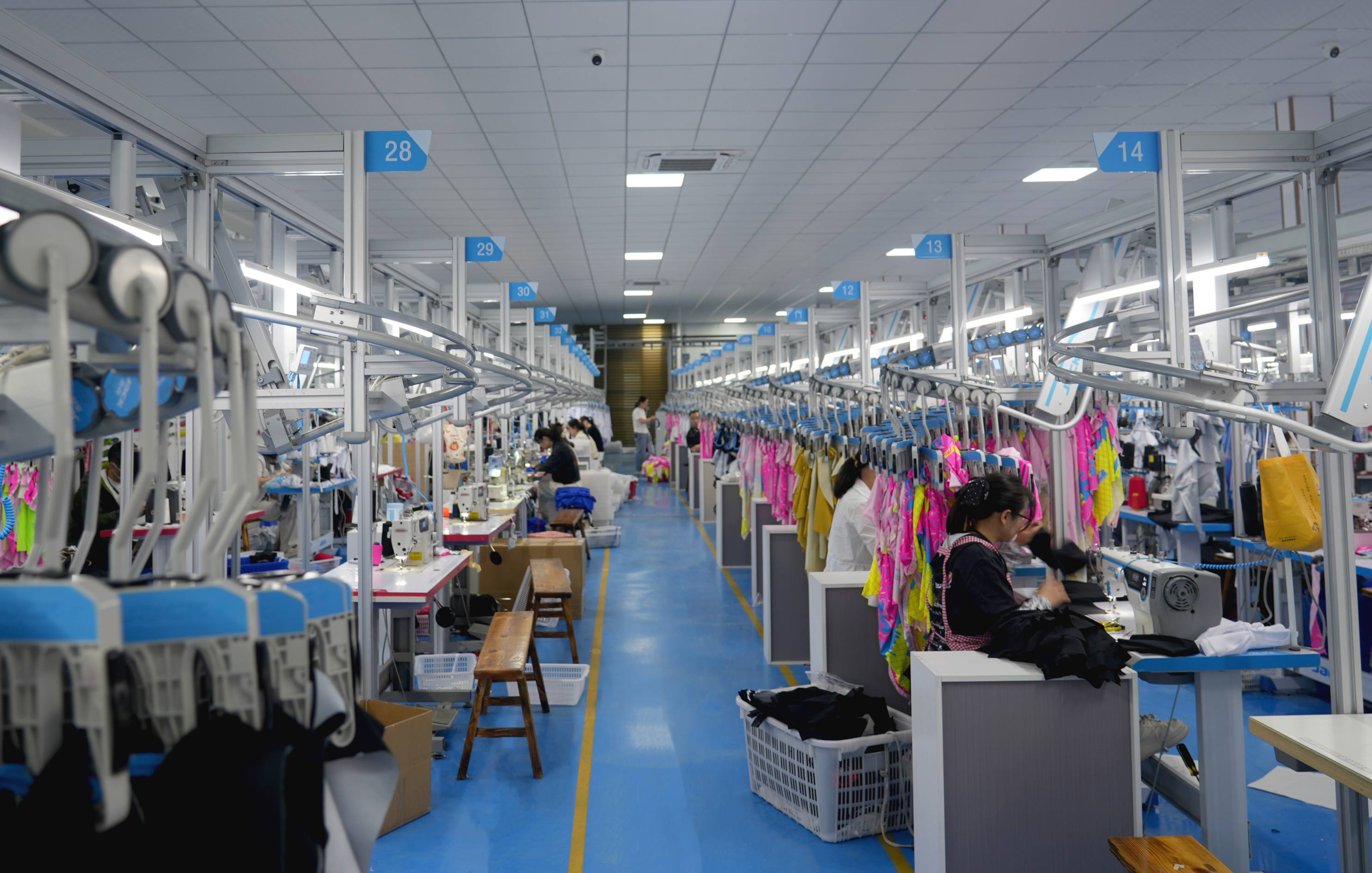

The global market for reusable feminine hygiene products is booming, propelled by growing consumer demand for sustainability, body-positivity, and chemical-free comfort. Among these, period underwear has emerged as one of the fastest-growing categories in direct-to-consumer (DTC) and retail apparel.
However, launching a successful functional intimates brand involves much more than basic garment sourcing—it requires specialized textile technology, rigorous compliance, and precise market positioning.
Here is a step-by-step roadmap to building a market-ready period underwear brand from scratch.
The 5-Step Brand Launch Roadmap
┌───────────────────────────────────────────────────────────┐
│ Step 1: Define Niche & Target Audience                     │
│ (Teens, Postpartum, Sportswear, Heavy Flow, Eco-Conscious)│
└─────────────────────────────┬─────────────────────────────┘
                              │
                              ▼
┌───────────────────────────────────────────────────────────┐
│ Step 2: Establish Technical Specifications                │
│ (Absorbency Levels, PFAS-Free TPU, Organic/Bamboo Fabrics) │
└─────────────────────────────┬─────────────────────────────┘
                              │
                              ▼
┌───────────────────────────────────────────────────────────┐
│ Step 3: Select the Right Production Model (OEM vs. ODM)   │
│ (Low MOQ Prototyping vs. Full Custom Pattern R&D)         │
└─────────────────────────────┬─────────────────────────────┘
                              │
                              ▼
┌───────────────────────────────────────────────────────────┐
│ Step 4: Rigorous Quality Assurance & Compliance Testing   │
│ (Total Fluorine Screening, Wash Longevity, Fit Grading)   │
└─────────────────────────────┬─────────────────────────────┘
                              │
                              ▼
┌───────────────────────────────────────────────────────────┐
│ Step 5: Market Launch & Go-to-Market Positioning          │
│ (Educational Marketing, Eco-Certifications, Transparency)│
└───────────────────────────────────────────────────────────┘
Step 1: Define Your Niche & Audience Positioning
Trying to be everything to everyone is a common mistake for new brands. The period underwear market is diverse, and narrowing your focus builds stronger brand identity and customer loyalty.
High-Growth Market Segments to Consider:
Teens & First-Period Juniors: Focus on fun colors, discreet leak protection, comfortable stretch fabrics, and school-ready security.
Maternity & Postpartum Care: Focus on high-waist support, high liquid capacity, anti-bacterial linings, and gentle waistbands for C-section recovery.
Active & Athletic Women: Focus on seamless edges, moisture-wicking synthetic blends, period swimwear, and ultra-thin profiles.
Eco-Conscious & Sensitive Skin: Focus on GOTS-certified organic cotton, unbleached bamboo viscose, and 100% natural fiber contact layers.
Step 2: Formulate Product Tech Specs & Absorbency Ratings
Functional underwear relies on a multi-layer composite system to capture, lock in, and prevent fluid leakage. You must decide on your core product line matrix based on absorbency needs:
Absorbency Rating | Liquid Capacity Equivalent | Primary Recommended Use Case |
Light Flow | 1–2 Tampons (~10–15 ml) | Spotting, back-up protection, daily discharge |
Moderate Flow | 2–3 Tampons (~15–25 ml) | Regular period days, light incontinence |
Heavy / Overnight Flow | 4–5+ Tampons (~30–50 ml) | Extended night wear, heavy flow days, postpartum care |
Key Fabric Considerations:
Skin-Adjacent Layer: Wicking fabric (e.g., Bamboo, Organic Cotton) that keeps the skin dry.
Absorbent Core: Non-woven or specialized terry knits that retain moisture rapidly.
Leak-Proof Barrier: High-breathability, PFAS-Free TPU membrane to ensure no fluid passes through to outer clothing.
Step 3: Choose Your Manufacturing Model (OEM vs. ODM)
Selecting the right supply chain strategy depends on your timeline, technical expertise, and initial capital.
Route A: ODM (Private Label / Fast Market Launch)
Best For: E-commerce startups, Amazon sellers, and brands needing fast time-to-market.
Why Choose It: Choose from pre-tested, lab-verified factory styles. Customize waistband logos, colors, and packaging with lower initial MOQs and zero pattern R&D costs.
Route B: OEM (Custom Engineering)
Best For: Established apparel brands or innovators with unique design patents/tech packs.
Why Choose It: Develop bespoke silhouettes, proprietary layer compositions, and custom-dyed fabrics with full intellectual property protection.
Step 4: Enforce Strict Compliance & Quality Testing
Unlike standard fashion items, functional intimates face strict regulatory oversight and public scrutiny regarding safety and performance.
Essential Testing Milestones Before Bulk Production:
Total Fluorine / PFAS Screening: Ensure third-party lab testing (e.g., SGS, Intertek) certifies your products as non-detectable for harmful fluorinated chemicals.
Wash & Longevity Testing: Validate that the leak-proof TPU membrane and absorbent core retain performance after 30 to 50+ wash cycles.
Absorbency Rate & Capacity Testing: Measure fluid absorption speed (under 3 seconds) and maximum capacity to verify on-pack marketing claims.
Step 5: Execute an Educational Go-to-Market Strategy
Selling period underwear requires building deep trust with consumers. Successful DTC brands focus heavily on educational content and transparency.
Conversion Drivers for Your Website & Marketing:
Visual Layer Explanations: Use clear diagrams showing how the multi-layer technology prevents leaks.
Transparency & Certifications: Highlight OEKO-TEX Standard 100, GOTS, and PFAS-free test badges prominently on product pages.
Fit & Care Guides: Provide clear instructions on how to wash, line-dry, and care for period underwear to prolong garment life.
Launch Your Brand with Ljvogues: Your Trusted Manufacturing Partner
Navigating the transition from concept to finished product is simpler with an experienced functional intimates partner. At Ljvogues, we empower emerging and established brands with:
Flexible Production Paths: Agile ODM private labeling for fast launches, and full OEM custom engineering for proprietary designs.
100% PFAS-Free Guarantee: Complete testing documentation and certified safe supply chains.
End-to-End Development Support: From pattern grading and prototype sampling to custom eco-packaging and bulk delivery.
Ready to Build Your Period Underwear Line?
Partner with a factory that understands technical precision, safety compliance, and brand scaling.