


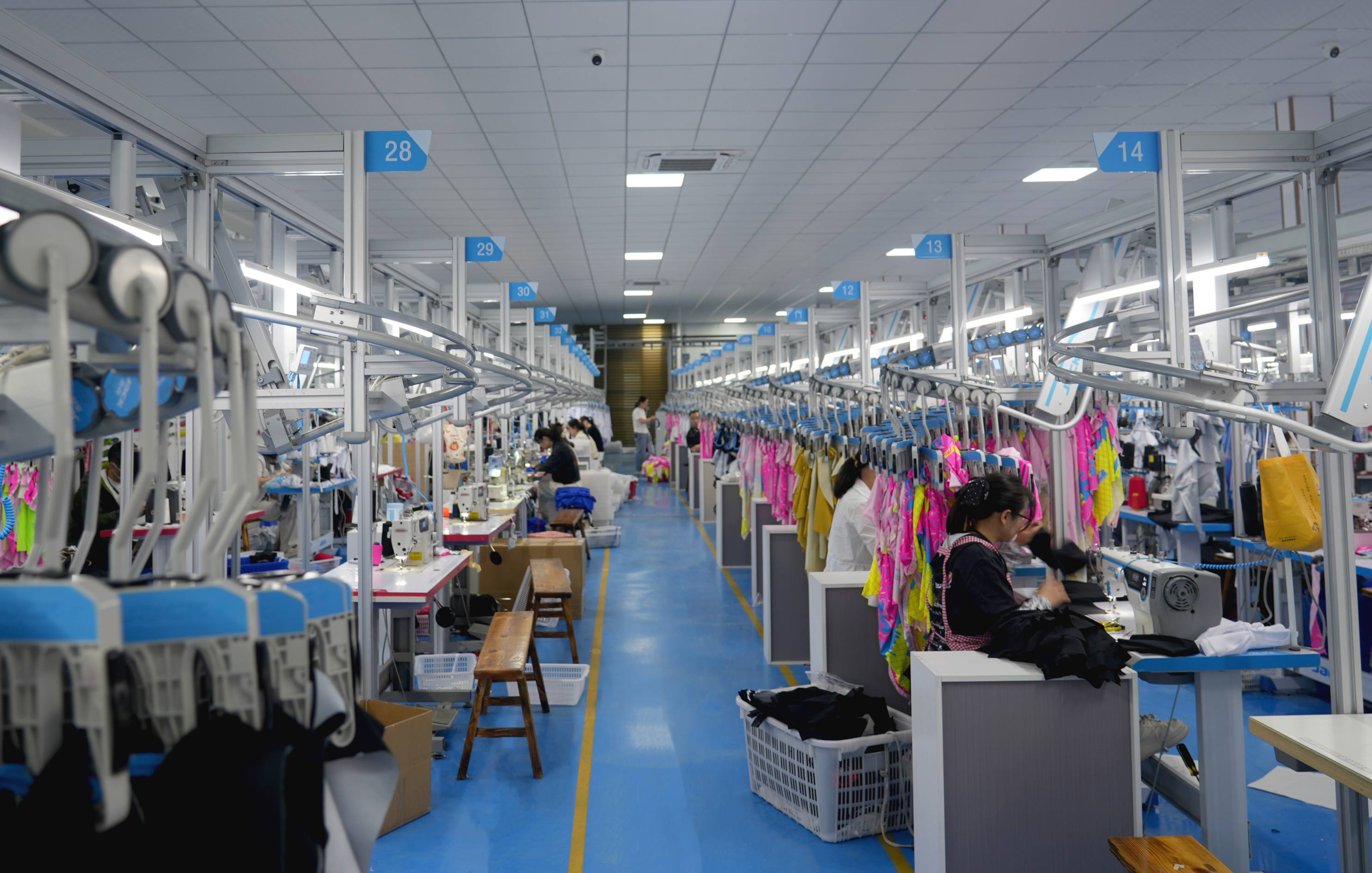

The global reusable feminine hygiene landscape is entering a high-growth phase. As consumer awareness around reproductive health, chemical safety, and environmental sustainability reaches an all-time high, period underwear is rapidly transitioning from a niche DTC alternative to a mainstream category staple across global retail and e-commerce channels.
For brand owners, product directors, and sourcing managers preparing their 2026/2027 product roadmaps, understanding market trajectories, regulatory shifts, and technological breakthroughs is vital to capturing market share.
Below is an industry analysis of the 2026 period underwear market size, primary growth drivers, regional shifts, and actionable supply chain strategies.

1. Global Market Size Projection & Growth Velocity
Driven by high reorder rates, shifting consumer preference away from plastic-heavy disposable pads, and aggressive expansion into mass retail, the functional period apparel market continues to outperform traditional intimates.
┌─────────────────────────────────────────────────────────────┐
│ 2026 Global Reusable Feminine Hygiene Market Trends         │
├──────────────────────────────────┬──────────────────────────┤
│ Global Market Valuation          │ Projecting Multi-Billion $│
│ Category CAGR (2024–2030)        │ Estimated ~14.5%–16.8%   │
│ Retail Channel Expansion         │ DTC to Omnichannel / Mass│
│ Dominant Product Segment         │ Moderate-to-Heavy Flow   │
└──────────────────────────────────┴──────────────────────────┘
Key Market Dynamics for 2026:
Accelerating CAGR: The reusable intimate market is projected to sustain a Compound Annual Growth Rate (CAGR) of over 15%, significantly outpacing the broader apparel sector.
Category Penetration: Period underwear is successfully capturing market share from traditional pads and tampons, particularly among Gen-Z and Millennial demographics where adoption rates exceed 30%.
Omnichannel Explosion: While DTC remains strong, mass market retailers, supermarket chains, and pharmacy outlets in Europe and North America are expanding their dedicated shelf space for reusable intimates.
2. Top Strategic Drivers Shaping the 2026 Market
Driver A: Comprehensive PFAS & Chemical Safety Regulations
By 2026, legislative bans across North America (e.g., California, New York) and the EU restricting the use of PFAS ("forever chemicals") in textiles are in full effect. Brands unable to guarantee 100% PFAS-free lamination and total fluorine compliance face inventory blockades and legal liabilities. This has created a massive wave of re-sourcing toward certified green manufacturers.
Driver B: ESG & Zero-Waste Corporate Mandates
With over 12 billion single-use sanitary products entering landfills annually in North America alone, corporate sustainability goals (ESG) are driving retail buyers to stock low-carbon, washable alternatives with verified eco-certifications (GOTS, OEKO-TEX Standard 100).
Driver C: Category Diversification (Swim, Sport, Maternity)
Period protection is no longer restricted to classic briefs. The market in 2026 is experiencing rapid diversification into:
Period Swimwear: Hydrophobic outer layers paired with non-swelling absorbent TPU cores.
Activewear & Leggings: Seamless, moisture-wicking leak-proof activewear for fitness enthusiasts.
Teen & Postpartum Solutions: High-waist medical-grade recovery briefs and junior sizing.
3. Regional Market Breakdown & Growth Opportunities
Region | Market Maturity | Key Growth Drivers | Preferred Product Features |
North America | High | PFAS-free compliance laws, strong DTC brand presence, retail chain integration | Ultra-thin profile, high absorbency, invisible seam lines |
Europe (EU & UK) | Moderate to High | Stringent ESG directives, high environmental awareness, organic preference | GOTS Organic Cotton, Bamboo Viscose, natural bio-finishes |
Asia-Pacific (APAC) | Fast Emerging | Rising disposable income, growing acceptance among Gen-Z, high e-commerce volume | Lightweight, high-breathability knits, cute & seamless aesthetics |
Latin America & MEA | Early Stage | Expanding cross-border e-commerce, cost-effective reusable solutions | Value-packs, durable wash performance, high capacity |
4. Supply Chain Playbook: How Brands Can Win in 2026
To capitalize on market growth without taking on unnecessary inventory risk, brands should implement the following strategic steps:
Audit Your Supply Chain for Full PFAS Compliance: Ensure your manufacturer provides third-party lab documentation (Total Fluorine < 50 ppm) before placing bulk orders.
Implement Flexible ODM/OEM Sourcing: Utilize pre-tested, lab-verified factory designs for quick seasonal testing before committing capital to bespoke OEM molds.
Focus on Transparent Marketing Communications: Showcase clear technical layer diagrams, wash-longevity guarantees (30–50+ washes), and safety credentials on product pages.
5. Partner with Ljvogues to Scale Your Period Apparel Line
As a premier OEM/ODM manufacturer specializing in functional intimates, Ljvogues equips global brands with the technology and production capacity needed to lead the 2026 market:
100% PFAS-Free Lamination Tech: Certified green supply chains and zero-fluorine waterproofing technology.
Custom 4-Layer R&D: Tailored absorbent cores for period underwear, leak-proof swimwear, activewear, and incontinence apparel.
Scalable Production & Agile MOQ: Flexible manufacturing pipelines engineered for both high-growth startups and established international retailers.
Capitalize on the 2026 Market Surge Today
Explore our market-ready functional intimate solutions, request technical catalogs, or schedule a consultation with our R&D specialists.