



Table of Contents
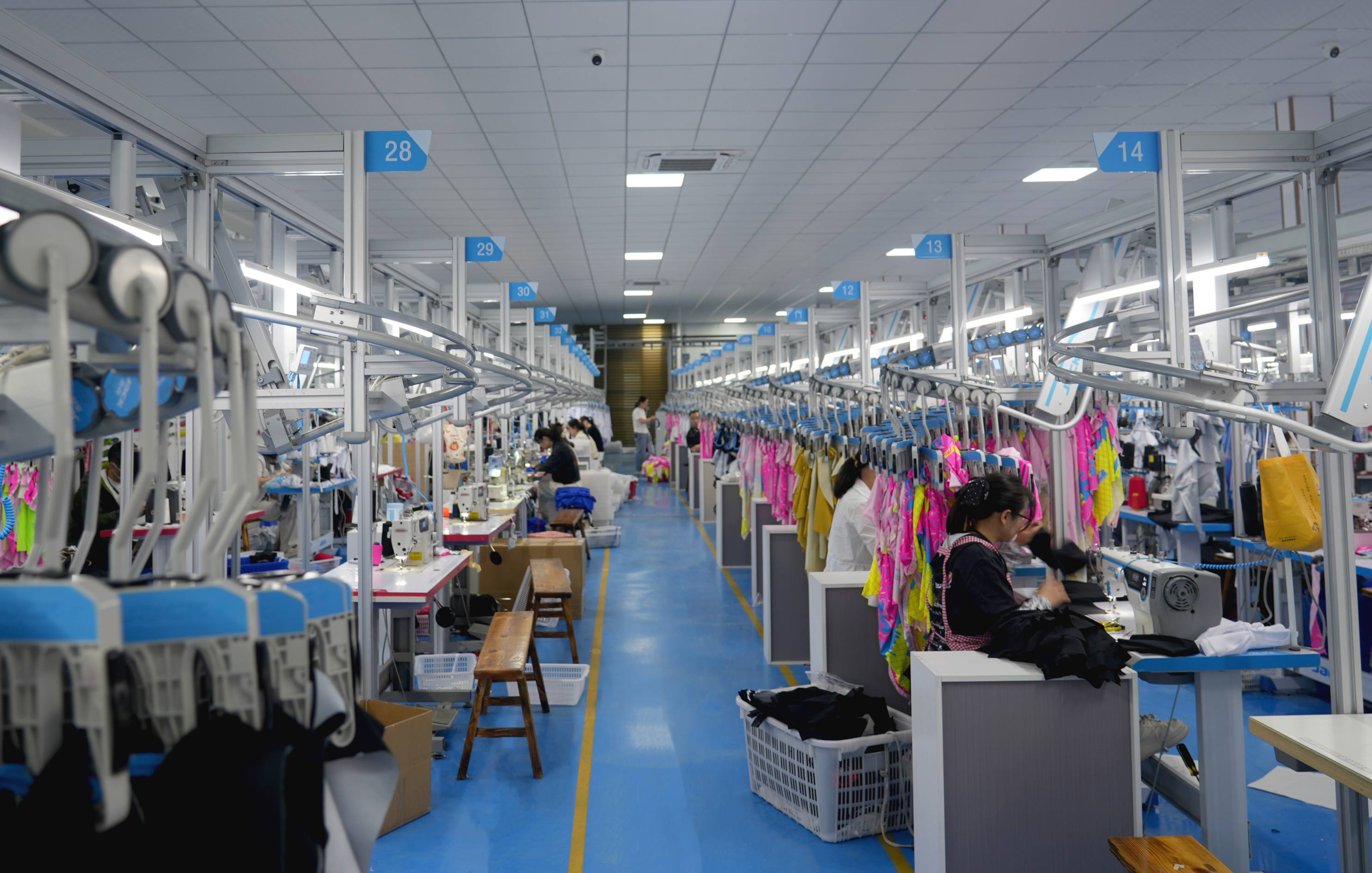
Consumer demand is clearly shifting toward eco-friendly period products—especially reusable solutions like period underwear—because shoppers want both performance and a lower environmental footprint. From my perspective at Ljvogues, “sustainable manufacturing” is not a slogan; it’s a set of decisions across materials, processes, waste handling, and certifications that brands can verify and communicate with confidence.
Sustainable Material Selection
Material choices determine not only comfort and absorbency, but also how credible your sustainability claim is once customers start asking about certifications and chemical safety. In our OEM/ODM projects at Ljvogues, we often build a sustainable “materials stack” by combining certified skin-contact fabrics with responsible functional layers.

Bamboo & cotton: benefits and sourcing
Bamboo viscose is popular for its soft handfeel and moisture management, while cotton remains a trusted option for breathability and familiarity in intimate apparel.
For brands, the key is not the fiber name alone, but whether the supplier can provide traceable documentation and compliance support for dyes, finishes, and accessories.
Organic cotton vs. conventional cotton
Organic programs typically require supply-chain controls and restricted chemical inputs, and many brands validate this through GOTS-aligned sourcing or organic fiber documentation.
GOTS is widely described as a leading textile processing standard for organic fibers, backed by third-party certification across processing stages, with environmental and social criteria.
Recycled fabric innovations
Recycled polyester (rPET) is increasingly used in performance underwear fabrics to divert plastic waste and reduce reliance on virgin petrochemicals, while still delivering durability and quick-drying properties.
This is especially relevant for period underwear shells and stretch fabrics where performance requirements can be hard to meet with natural fibers alone.
Biodegradable vs. recyclable considerations
Many “biodegradable” claims break down in real-world use because period underwear is typically made from multi-material structures (elastane, barrier layers, absorbent cores) that are difficult to compost safely.
A more practical approach for most brands is to reduce overall impact via long product lifespan, responsible fibers, and lower-impact packaging, while being transparent about end-of-life limitations.
Water and Energy Conservation
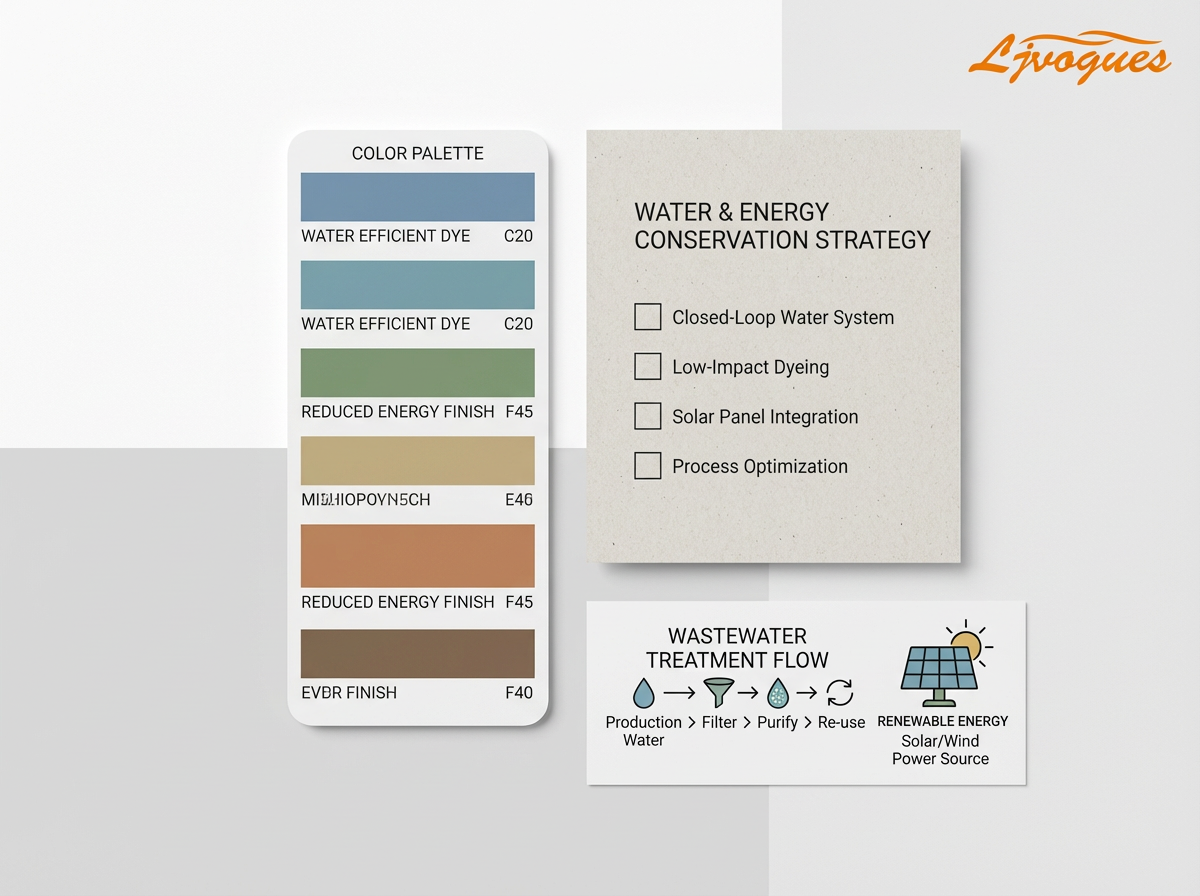
Wet processing (like dyeing and finishing) can be one of the most resource-intensive parts of textile manufacturing, so conservation strategies matter when building a credible sustainability story. In our product development discussions, I encourage brands to think about “color strategy” and “process strategy” as part of sustainability—not just fabric choice.
Efficient dyeing processes
Choosing standardized color palettes, reducing unnecessary re-dyeing, and using compliant dyestuffs aligned with certification requirements can lower waste and improve batch stability.
Wastewater treatment systems
GOTS requires that wet-processing units have functional wastewater treatment, making wastewater management a critical element for certified organic textile supply chains.
Renewable energy in manufacturing
While energy mix differs by factory and region, brands increasingly request carbon and energy transparency as part of supplier evaluation, especially for retail and cross-border programs.
Waste Reduction Strategies
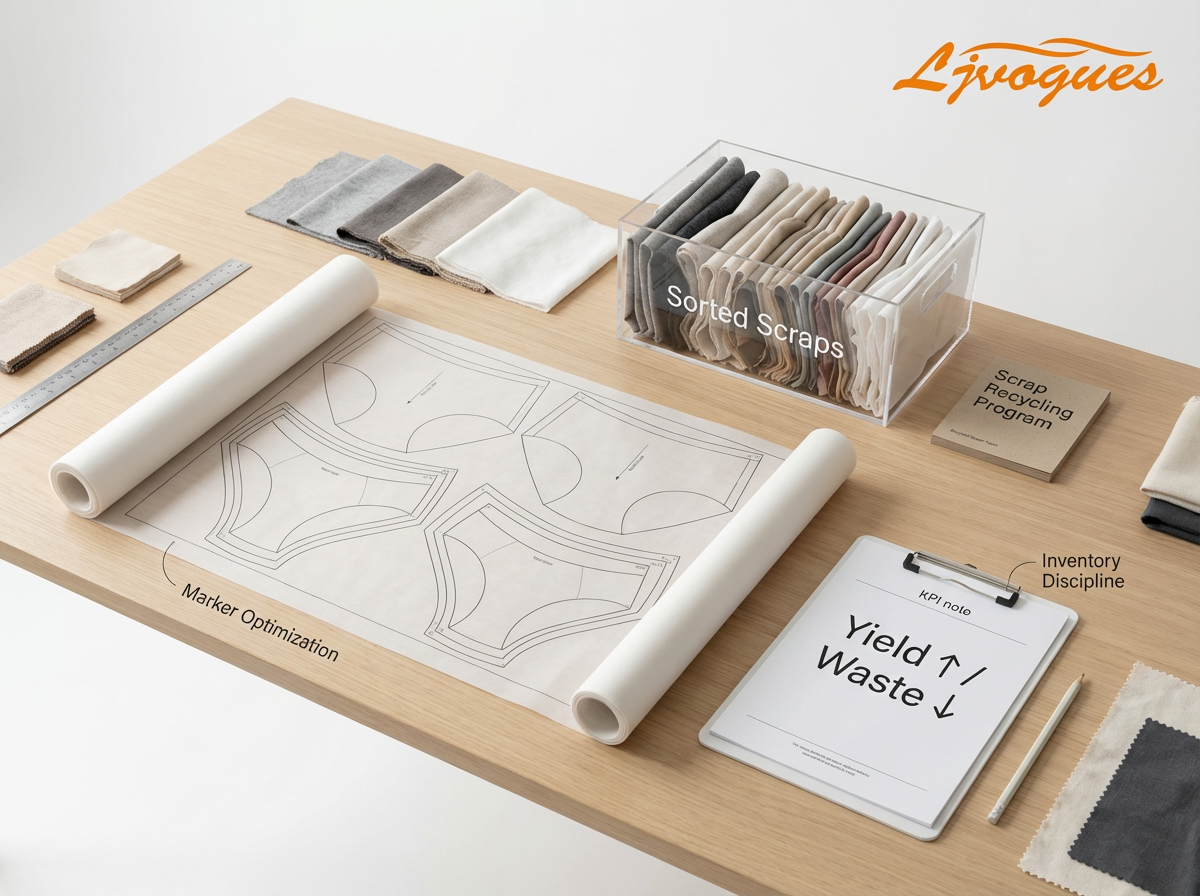
Waste reduction is where sustainability becomes measurable in daily operations—especially in cutting rooms, packaging lines, and inventory planning. At Ljvogues, we approach waste reduction through production planning discipline and material utilization improvements that brands can scale with.
Fabric scrap recycling programs
Sorting and recycling usable offcuts, or repurposing scraps into secondary applications, reduces landfill load and supports circularity efforts where infrastructure exists.
Zero-waste pattern cutting
True zero-waste is difficult in underwear due to curved pattern pieces and size grading, but smart marker-making and cut-plan optimization can still significantly reduce scrap.
Packaging alternatives
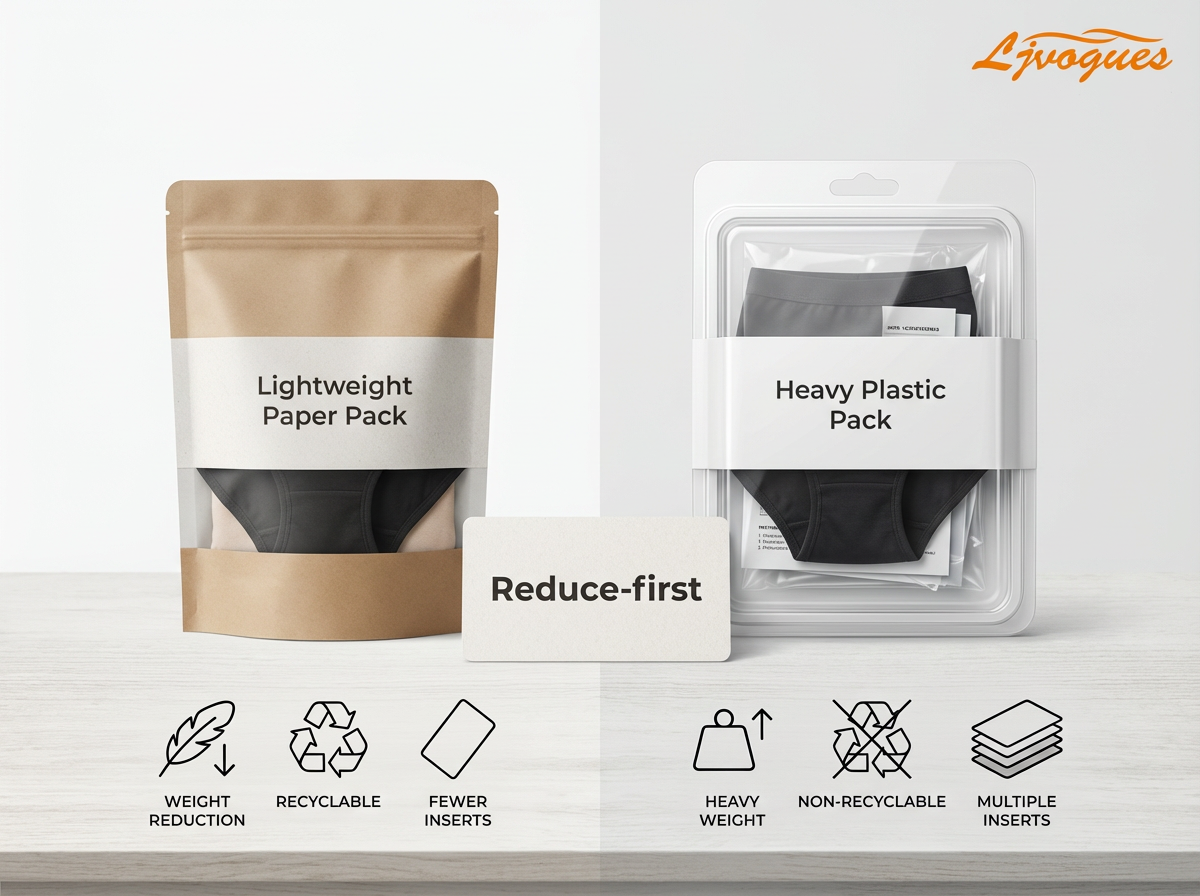
Brands increasingly switch from heavy plastic retail packaging to lighter-weight, recyclable paper-based options where feasible, and reduce unnecessary inserts to lower material use.
-
Certifications That Matter
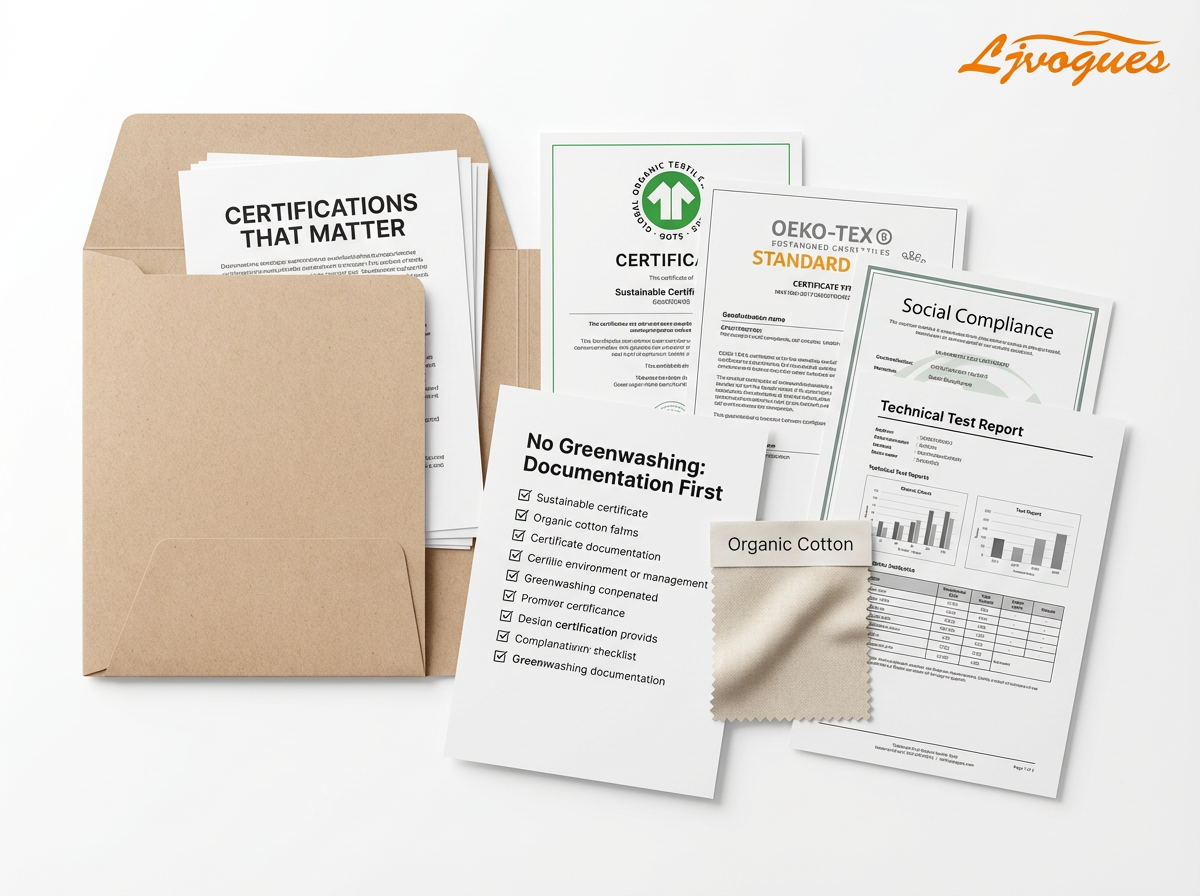
Certifications help prevent “greenwashing” by anchoring sustainability and safety claims in third-party standards and repeatable audits. In OEM/ODM manufacturing, this is especially important because a brand’s claims are only as strong as the documentation behind every component.
GOTS
GOTS is positioned as a leading processing standard for textiles made from organic fibers, covering environmental criteria and requiring compliance with social criteria, backed by third-party certification across processing stages.
GOTS also sets minimum organic fiber content thresholds (for example, at least 70% organic fibers for certification), which matters when brands blend fibers.
OEKO-TEX® STANDARD 100
OEKO-TEX® STANDARD 100 certification is issued only when all components of an article (including threads, linings, coatings/prints, and accessories) meet the harmful-substance criteria.
The testing is based on intended use and becomes stricter with more skin contact and more sensitive skin, which is directly relevant to intimate apparel.
Fair Trade (and social compliance)
While “Fair Trade” structures vary by program, social compliance expectations are increasingly tied to supplier qualification for global retail and long-term brand partnerships.
Carbon footprint reporting
More brands are asking suppliers for footprint visibility and reporting as part of ESG requirements, especially when entering regulated markets or selling through large retailers.
Building a sustainable brand story through manufacturing choices
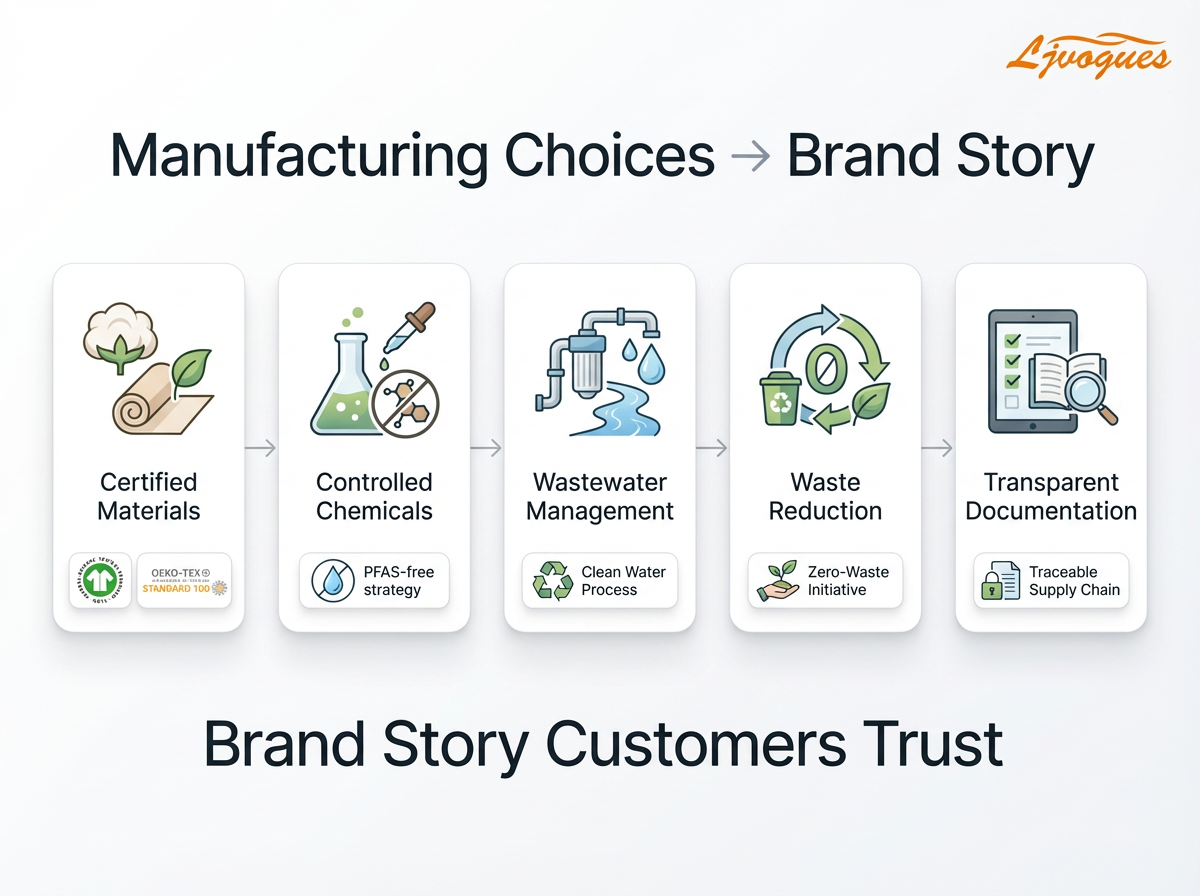
A strong sustainability story is easiest to build when it is grounded in real manufacturing decisions: certified materials, controlled chemical inputs, wastewater management, waste reduction, and transparent documentation. At Ljvogues, my goal is to help brands translate those decisions into products customers trust—without sacrificing absorbency performance, comfort, or scalability.
If you’re developing a sustainable period underwear line and want support selecting certified fabrics, defining a PFAS-free strategy, or planning OEM/ODM production, share your target market and positioning—my team can recommend the most efficient and compliant manufacturing roadmap.