



As the functional intimate apparel market expands globally, regulatory scrutiny over consumer safety, chemical additives, and environmental claims has reached an all-time high. For period underwear brands, compliance is no longer an afterthought—it is the foundational gatekeeper for customs clearance, retail distribution, and brand protection.
Lacking proper certification can result in costly customs detentions, high product recall fees, consumer class-action lawsuits, and immediate removal from major e-commerce platforms like Amazon.
Below is a roadmap of essential global certifications, chemical safety standards, and compliance audits required to scale a period underwear brand safely.
1. Global Compliance Landscape: Essential Standards at a Glance
Navigating international markets requires meeting multi-layered regulatory demands across chemical safety, fabric origin, and factory operations:
┌─────────────────────────────────────────────────────────────┐
│             Global Intimate Apparel Compliance Matrix       │
├──────────────────────┬──────────────────────────────────────┤
│ Chemical Safety      │ PFAS-Free (Total Fluorine), OEKO-TEX  │
│ Textile Origin       │ GOTS (Organic), GRS (Recycled)       │
│ Medical / Skin Safety│ FDA Device Listing, Skin Irritation  │
│ Factory Ethics       │ BSCI, ISO 9001, SMETA Audits         │
└──────────────────────┴──────────────────────────────────────┘
2. Four Critical Certification Pillars for Period Underwear
Pillar 1: Chemical Safety & PFAS-Free Testing
With tight regulatory restrictions across North America and the EU regarding PFAS ("forever chemicals"), period underwear must undergo strict chemical screening:
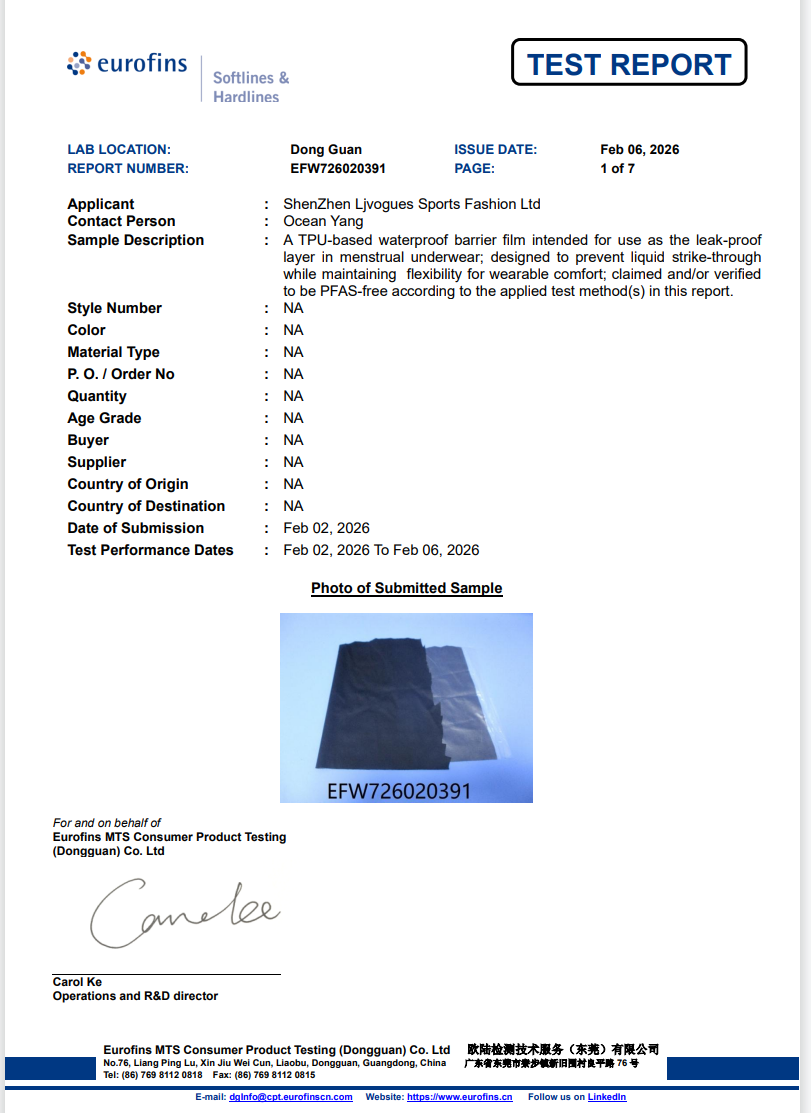
Total Fluorine (TF) Testing: Requires third-party lab verification (SGS, Intertek, Bureau Veritas) confirming Total Fluorine levels are below 50 ppm or non-detectable, ensuring no intentionally added fluorinated chemicals in TPU laminations or DWR finishes.
OEKO-TEX® Standard 100 (Annex 4/5): The global standard certifying that every component—from outer shell to elastic threads and absorbent linings—is free from harmful levels of over 300 toxic substances, including heavy metals, azo dyes, and pesticides.
Pillar 2: Organic & Sustainable Material Certifications
Consumers and retailers demand verified sustainable sourcing. Claims like "organic" or "recycled" require legally recognized transaction certificates:
GOTS (Global Organic Textile Standard): Ensures that cotton or bamboo fibers contain at least 70%–95% certified organic content, audited from harvesting through environmentally and socially responsible manufacturing.
GRS (Global Recycled Standard): Tracks and verifies recycled nylon or polyester content in outer fabrics, ensuring full supply chain traceability.
Pillar 3: Medical & Contact Safety Regulations
Because period underwear functions as a personal care product in contact with mucosal tissue, regional health authorities impose strict safety guidelines:
U.S. FDA Registration & Listing: Depending on marketing claims, period underwear sold in the U.S. must comply with FDA establishment registration and medical device listing standards (Class I/II classifications where applicable).
Cytotoxicity & Skin Sensitization Testing (ISO 10993): Ensures that the inner skin-contact layer causes zero dermal irritation, allergic reactions, or cellular toxicity during extended wear.
Pillar 4: Factory Ethical & Quality Management Audits
Retail buyers and major distributors require manufacturing partners to uphold high ethical and operational standards:
BSCI (Business Social Compliance Initiative) / SMETA: Validates fair wages, safe working conditions, fair working hours, and zero child labor across the production line.
ISO 9001:2015: Guarantees systematic quality management protocols, raw material inspection workflows, and low defect rates during bulk production.
3. Compliance Summary Table for Key Regional Markets
Export Market | Mandatory / High-Priority Certifications | Key Risks of Non-Compliance |
United States | Total Fluorine (PFAS-Free), FDA Registration, California Prop 65, CPSIA | Fines up to $50,000 per violation, customs seizure, class-action lawsuits |
European Union (EU) | REACH Compliance, OEKO-TEX Standard 100, GOTS/GRS, CE Mark (if health claimed) | Import bans under EU Customs, heavy environmental non-compliance fines |
United Kingdom | UKCA Standards, REACH UK, OEKO-TEX Standard 100 | Rejection at UK border control, e-commerce marketplace account suspensions |
Australia & NZ | ACCC Consumer Product Safety Standards, ISO Dermal Safety | Retail listing rejections, consumer protection agency recall mandates |
4. How Brands Can Streamline Compliance Sourcing
Request Test Reports Early: Always demand recent, accredited third-party lab test reports (less than 12 months old) for raw fabrics before approving production tech packs.
Obtain Transaction Certificates (TC): Ensure every batch of organic or recycled fabric comes with a valid Transaction Certificate linked to your specific purchase order.
Incorporate Certification Logos Legally: Work with your packaging supplier to ensure hangtags and packaging correctly display certification badges in accordance with trademark usage guidelines (e.g., GOTS/OEKO-TEX license numbers).
5. Partner with Ljvogues for Fully Certified Manufacturing
At Ljvogues, we take the complexity out of global compliance. Our factory and supply chain are fully equipped to provide transparent, market-ready documentation for global brand owners:
100% PFAS-Free Certified Supply Chain: Comprehensive Total Fluorine test reports verified by accredited third-party laboratories.
Pre-Certified Fabric Portfolio: Access to GOTS-certified organic cotton, OEKO-TEX Standard 100 bamboo fabrics, and GRS recycled synthetics.
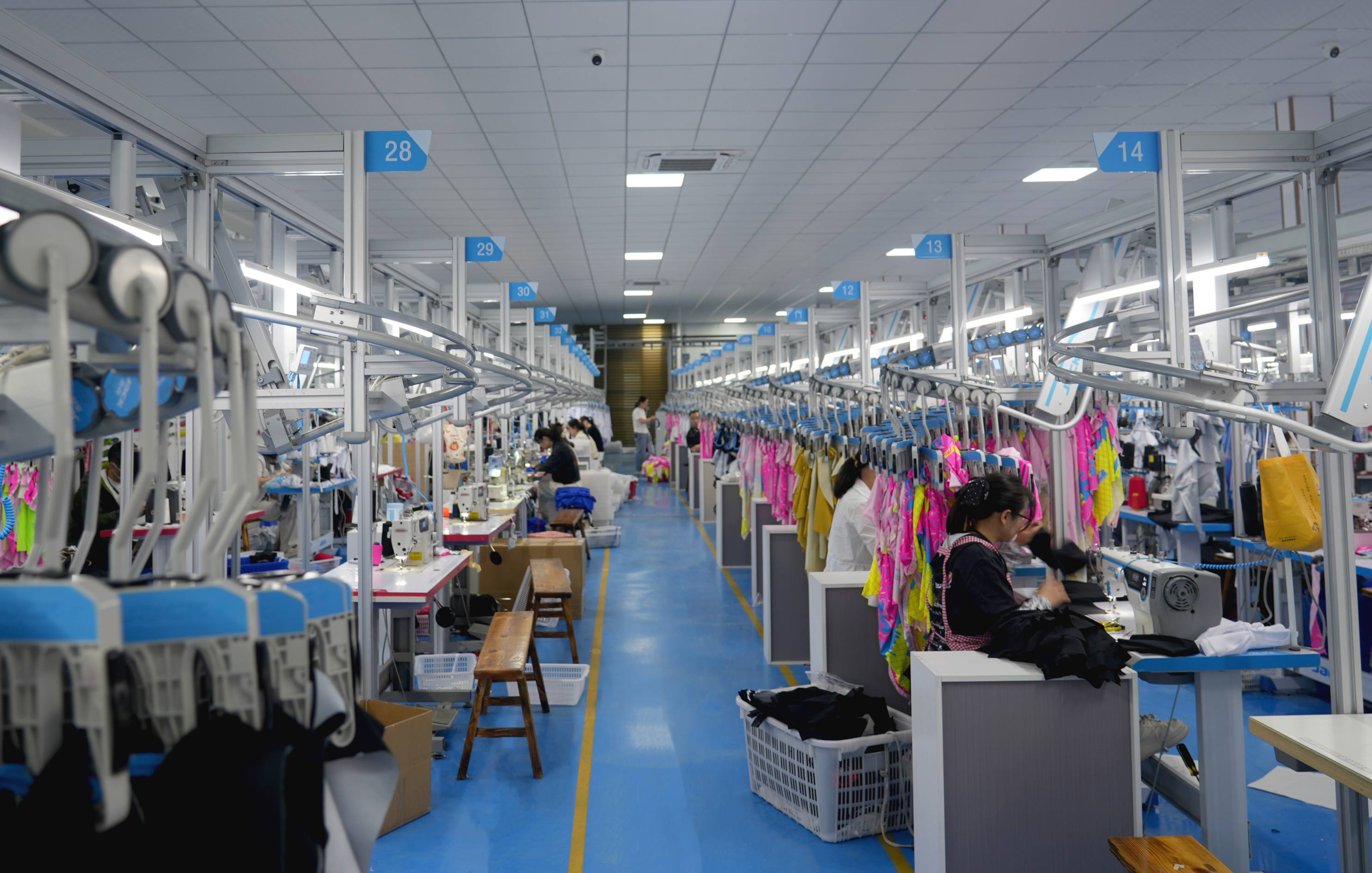
Audit-Ready Manufacturing: Full compliance with international factory social standards, ISO quality workflows, and complete export documentation support.
Secure Your Global Compliance Roadmap Today
Protect your brand integrity and clear customs without delay. Contact our compliance and R&D team to request test reports, factory audit certificates, or sample documentation.