



Table of Contents
A strategic guide for Private Label brands and Wholesalers: How to choose the right eco-fiber to align with your market positioning and pricing strategy.
Executive Summary: The Sourcing Verdict
Cotton: The safe, volume-driving choice. Best for mass-market lines, teen collections, and cost-conscious "daily wear" series.
Bamboo: The growth-driving choice. Best for premium positioning, "Green" marketing stories, and customers seeking luxury hand-feel.
The Hybrid Solution: At Ljvogues, we can combine both—e.g., a sturdy Cotton outer shell with a silky, antibacterial Bamboo gusset.
As the founder of Ljvogues, my transition from journalism to manufacturing was driven by a search for "truth" in production. Today, the most important truth in the textile industry is sustainability.
The period care market is undergoing a revolution. Women are actively moving away from disposables toward washable alternatives. But as a brand owner, you face a critical manufacturing question: Should you build your line around Bamboo or Cotton?
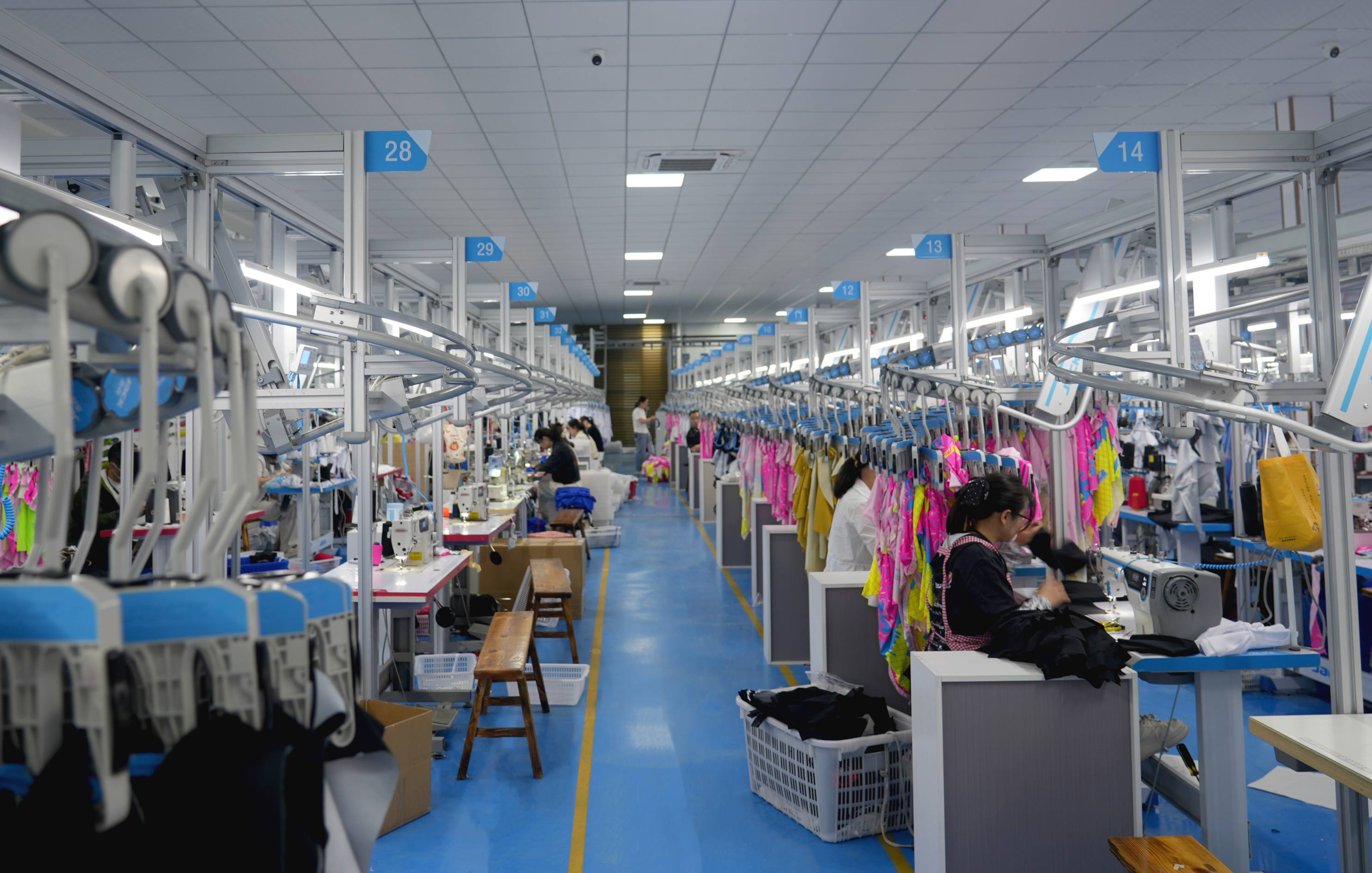
Drawing from my 10 years of experience managing our Shenzhen facility, let’s compare these two natural powerhouses to see which one fits your brand's mission and profit model.
1. The Green Shift: Why Fabric Storytelling Matters
In the B2B world, we aren't just selling underwear; we are selling a value proposition.
Modern consumers demand transparency. By choosing natural fibers like Cotton and Bamboo, you are giving your marketing team a powerful tool. You aren't just selling "leak-proof panties"; you are selling "sustainable freedom."
For the Brand: It justifies a premium price point.
For the Planet: It aligns with global ESG goals.
2. Cotton: The Time-Tested "Volume Driver"
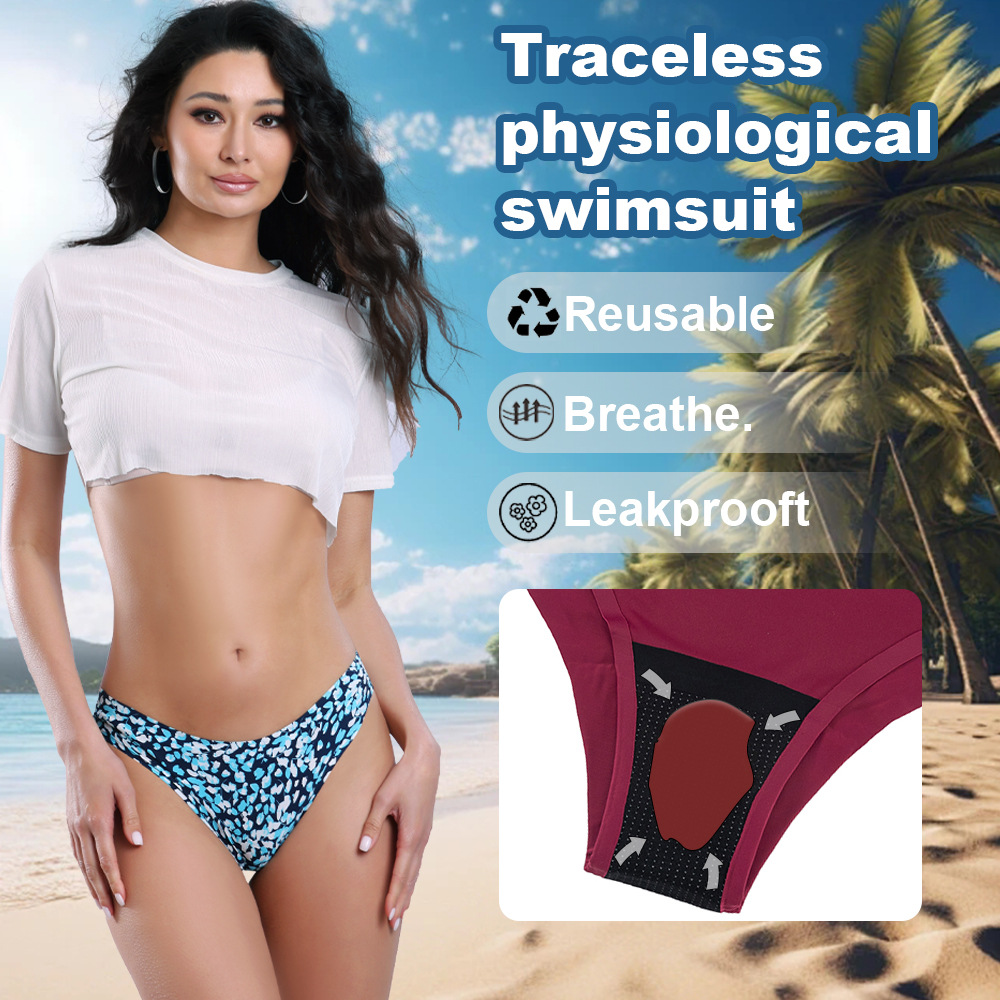
Cotton remains the most widely recognized natural fiber in the world. At Ljvogues, we recommend Cotton for brands looking for stability and broad appeal.
The Sourcing Advantage: Cotton is robust. It withstands frequent washing without pilling, leading to lower return rates.
Skin Health Authority: Doctors universally recommend breathable cotton. If your brand focuses on "Teen Health" or "Sensitive Skin", Cotton is your authority anchor.
Manufacturing Stability: Cotton is easy to dye and print. If you want our Custom Flower Patterns or vibrant seasonal colors, cotton offers excellent colorfastness.
3. The Rise of Bamboo: The "Premium Innovator"
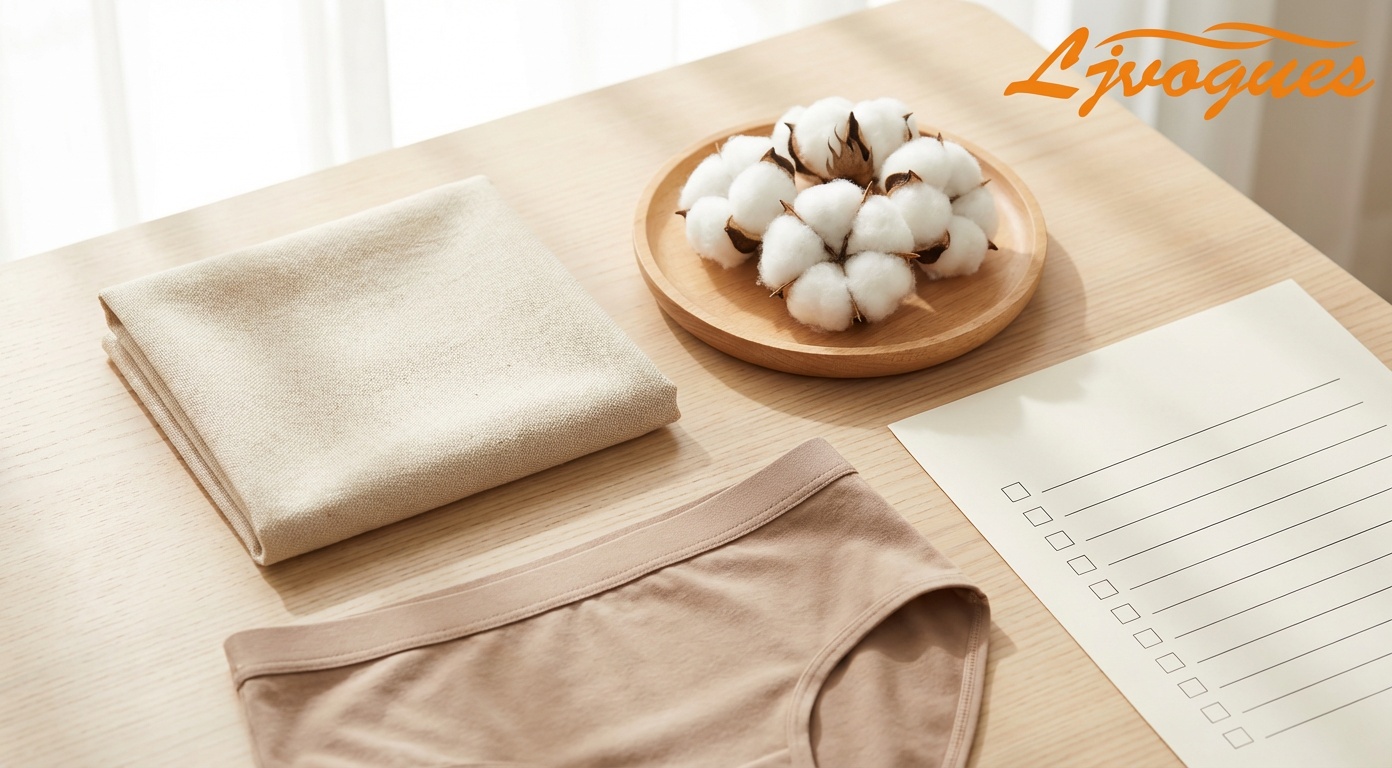
If Cotton is the classic, Bamboo is the disruptor. In recent years, Ljvogues' OEM orders for bamboo period underwear have surged by over 40%. Why are brands switching?
The "Marketing Hook" (Bamboo Kun): Bamboo contains a natural bio-agent called "Bamboo Kun," which resists pests. This allows you to market your product as "Naturally Antibacterial" and "Odor-Resistant"—a massive selling point for menstrual hygiene products.
Superior Function: Bamboo fibers are highly porous. They wick moisture 40% faster than cotton. This makes Bamboo ideal for your "Heavy Flow" or "Overnight" SKUs.
Luxury Hand-Feel: Bamboo feels cool and silky, similar to modal or silk but vegan. It immediately elevates the perceived value of the product when the customer touches it in-store or receives a sample.
4. Head-to-Head: The Buyer’s Comparison Matrix
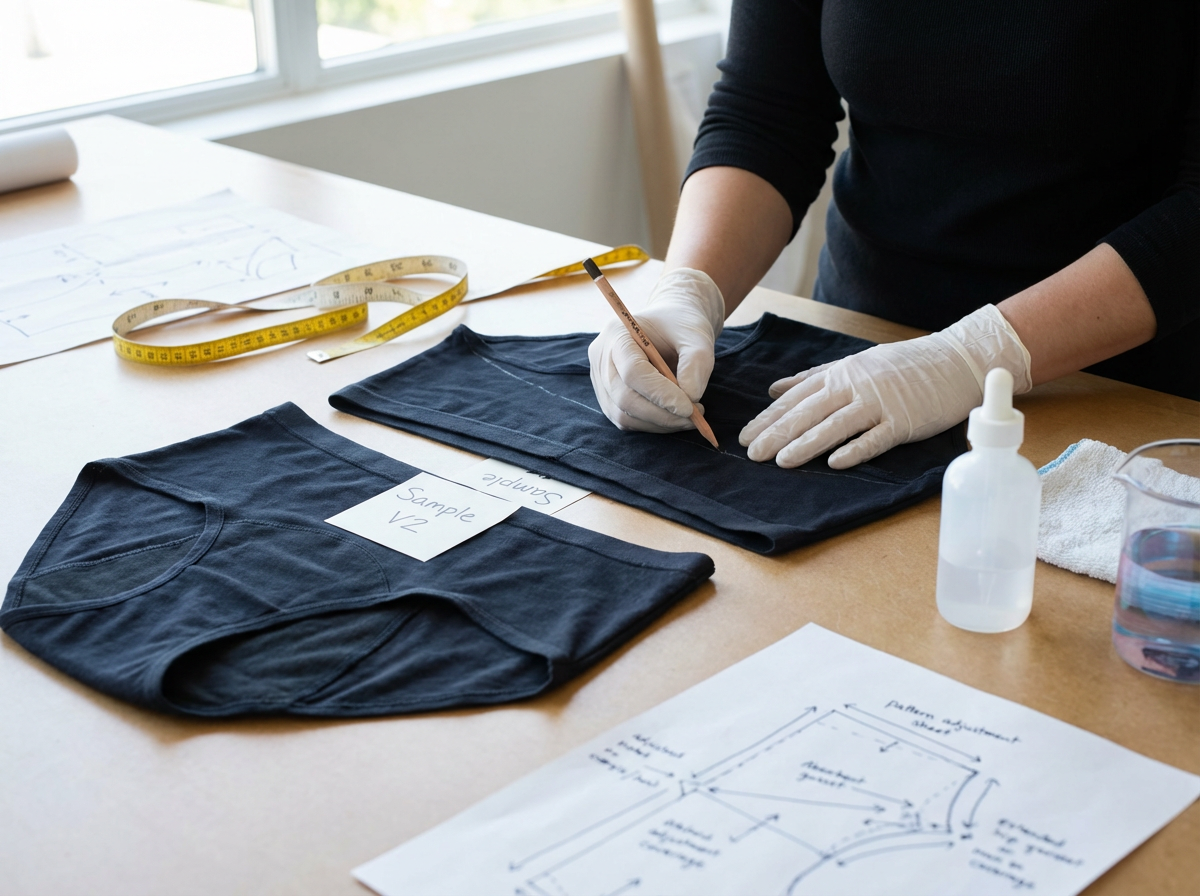
To help you decide, here is a breakdown based on manufacturing realities and market feedback:
Feature | Cotton Period Panties | Bamboo Period Panties |
Primary Market | Mass Market, First-Period Kits, Basics | Premium Eco-Luxe, Sensitive Skin |
Marketing Story | "Classic, Natural, Hypoallergenic" | "Sustainable, High-Tech Nature, Silky" |
Absorbency Speed | ⭐⭐⭐ (Good) | ⭐⭐⭐⭐⭐ (Excellent - Fast Wicking) |
Hand-Feel | Soft, Dry, Textured | Cool, Silky, Smooth |
Durability | Very High (Holds shape well) | High (Requires gentler care instructions) |
Cost to Manufacture | Lower (Better for entry-level pricing) | Higher (Justifies premium retail pricing) |

5. Manufacturing Solutions with Ljvogues
At Ljvogues, we don’t just offer fabrics; we offer customized supply chain solutions. We understand that you might not want to choose just one.
Our ODM/OEM Flexibility Includes:
Fabric Blends: We can create a 95% Bamboo / 5% Spandex blend for the perfect balance of eco-friendliness and stretch.
Hybrid Construction: A popular request is using a Bamboo inner layer (for antibacterial benefits) paired with a durable Cotton or Nylon outer layer.
Low MOQs for Testing: Unsure which will sell better? We can help you produce a small pilot run of both fabrics to test your market response.
Custom Prints: Whether on Bamboo or Cotton, our digital printing technology ensures your designs look crisp and professional.
(For a deeper dive into our waterproof layer technology, check out our [Ultimate Guide to Period Underwear Fabrics].)

6. FAQ: Common Sourcing Questions
Q: Does Bamboo fabric shrink more than Cotton?
A: Natural bamboo can shrink, but at Ljvogues, we pre-shrink and treat our fabrics during the manufacturing process to ensure size stability for your customers.
Q: Which is better for private labeling?
A: Both are excellent. Cotton is safer for high-volume sales. Bamboo is better if you want to differentiate your brand as "luxury" or "ultra-sustainable."
Conclusion: Define Your Brand’s "Why"
Choosing between bamboo and cotton depends on your business strategy.
Want classic reliability and a lower entry price point? Go with Cotton.
Want to lead the sustainable wave and command higher margins? Bamboo is your best bet.
Ready to build your eco-friendly product line?
At Ljvogues, we are ready to weave your vision into reality with our Verified OEM capabilities.
[Request Material Swatches]: Compare the touch of our Organic Cotton vs. Bamboo Viscose.
[Start Your OEM Order]: Get a quote for your custom design today.
Contact Ljvogues at www.Ljvogues.com – Your Partner in Sustainable Menstrual Care Manufacturing.